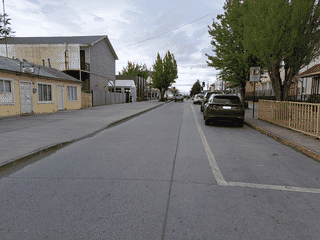

Puerto Natales
South America · Chile
Did you know?
- Mirador Dorotea looks across the town, a glacial valley and surrounding mountains.
- Cueva del Milodón contains archaeological remains linked to the extinct mylodon.
- Cordero, or lamb, is a traditional choice at El Asador Patagónico.
See also
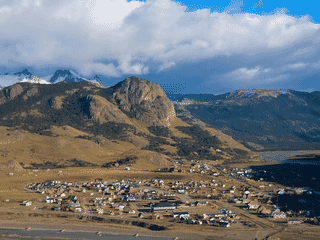

El Chalten
Argentina49.33°S 72.93°W · 397 m
51.03°S 73.09°W · 579 m
El Calafate
Argentina50.33°S 72.28°W · 199 m
Punta Arenas
Chile53.17°S 70.93°W · 34 m
Overview
Puerto Natales is a practical base for trips into Torres del Paine and Bernardo O'Higgins national parks. Gear shops and supermarkets make it a convenient place to prepare for trekking.
Languages: Spanish
Why Go
Puerto Natales serves as the practical gateway to Torres del Paine and Bernardo O'Higgins National Parks, making it the essential stop for trekkers without park accommodation bookings. The town of 19,000 offers supermarkets (Unimarc, Don Bosco) and trekking gear shops at prices far lower than inside the parks. Built along the Señoret Channel connecting Almirante Montt Gulf to Última Esperanza Sound, the town itself reflects its Chilote heritage through cooking and building styles, with strong British and Croatian influences visible in surnames and architecture.
Adapted from Wikivoyage contributors · CC BY-SA 4.0
Getting In
Puerto Natales is reachable by bus from Punta Arenas (approximately 3 hours, regular departures), and is the departure point for the Navimag ferry to Puerto Montt. For those arriving from Argentina, note that Chilean border officials strictly enforce restrictions on bringing fruit, vegetables, or animal products into Chile—tourists are particularly targeted, and undeclared items result in fines and confiscation. The town is the last opportunity to purchase food and gasoline at reasonable prices before entering Torres del Paine National Park, where goods cost roughly double.
Adapted from Wikivoyage contributors · CC BY-SA 4.0
When to Go
Puerto Natales experiences harsh Patagonian weather regardless of season—expect cold temperatures, strong winds, and intense sun, sometimes all in a single day. Late spring (November) through summer (February) brings the warmest conditions and longest daylight hours, ideal for trekking, though winds are strongest. Winter months offer fewer crowds but limited services. The town sits in the Última Esperanza municipality along Última Esperanza Sound, and while glaciers are over 40 km away, the municipal water supply is pumped from wells with high mineral, tannin, and organic content.
Adapted from Wikivoyage contributors · CC BY-SA 4.0
Where to Stay
Puerto Natales offers abundant budget accommodation, particularly along Tomas Rogers, Arturo Prat, and Baquedano streets near Plaza de Armas. Hospedajes (family-run guesthouses) are popular, with owners often meeting arriving buses to offer deals that typically include breakfast and luggage storage during treks. Spanish language skills are advantageous for negotiating hospedaje rates. Several hostels also rent trekking equipment, including Casa Cecilia (Tomas Rogers 64) and Hostal Lili Patagonicos (Arturo Prat 479). Hostel dorms average 15,000-25,000 CLP per night.
Adapted from Wikivoyage contributors · CC BY-SA 4.0
Food and Drink
The town offers diverse dining options near Plaza de Armas. For traditional lamb (cordero), try El Asador Patagónico (Arturo Prat 158). Baguales Brewery (Bories 430) is the only local brewery with craft beers and food, open December-February from 13:00-02:00. Vegetarian-friendly El Living (Arturo Prat 156) serves wholesome meals, cakes, and has a book exchange. For budget eats, La Picá de Carlitos (Esmeralda 581) offers typical Chilean picada fare with free WiFi. Coffee enthusiasts should visit Patagonia Dulce (Barros Arana 233) for what locals call the best pastries in the region. Mesita Grande (Arturo Prat 196) serves pizzas and salads with free WiFi at prices from 300-5,500 pesos.
Adapted from Wikivoyage contributors · CC BY-SA 4.0
Things to Do
The Cueva del Milodón Natural Monument (2,000-4,000 pesos, 08:30-20:30) is a 200-meter-deep cave with archaeological significance, containing paleofauna and human remains from the extinct mylodon. Mirador Dorotea (US$7, 09:00-18:00) offers a 2-hour roundtrip hike to 900-meter-high hills with panoramic views of the city, glacial valley, and mountains—accessible just off Route 9. The Museo Histórico Municipal (Bulnes 285) displays natural history items and archaeological artifacts from the khaweshkhar and aonikenk tribes (500 pesos Chileans, 1,000 pesos tourists). For a free activity, walk south on Pedro Montt past the Navimag pier to see wooden fishing boats being repaired or abandoned.
Adapted from Wikivoyage contributors · CC BY-SA 4.0
Connectivity
Several hostels and cafes in Puerto Natales offer free WiFi. Patagonia Dulce (Barros Arana 233) provides free WiFi alongside quality coffee and pastries. La Picá de Carlitos (Esmeralda 581) and El Living (Arturo Prat 156) also advertise free WiFi for customers. Erratic Rock II (Benjamín Zamora 732) features internet and cable TV with 50 channels. Chilean mobile carriers offer SIM cards with data packages in town for those needing connectivity beyond WiFi hotspots.
Adapted from Wikivoyage contributors · CC BY-SA 4.0
Safety
Puerto Natales is generally safe for travelers, though standard urban precautions apply. The population has strong leftist political affiliations, so travelers should be diplomatic when discussing local politics. The municipal water is considered safe by the government but has high mineral and tannin content—many locals and travelers prefer bottled or filtered water. During treks in Torres del Paine, be prepared for rapidly changing weather and strong winds.
Adapted from Wikivoyage contributors · CC BY-SA 4.0
Budget Planning
Daily budget for Puerto Natales (excluding park fees and major activities): accommodation in dorms 15,000-25,000 CLP, meals from 3,000-8,000 CLP for budget eateries, supermarket supplies for self-catering 5,000-10,000 CLP per day. The town is significantly cheaper than inside Torres del Paine, where food and gas cost double. Trekking equipment rental is available at hostels for those without gear. Key activities: Cueva del Milodón 2,000-4,000 CLP, Mirador Dorotea approximately US$7, city museum 1,000 CLP.
Adapted from Wikivoyage contributors · CC BY-SA 4.0
Go Next
Puerto Natales is the gateway to several major Patagonian destinations. Torres del Paine National Park features the Paine massif with azure lakes, emerald forests, glaciers, and the iconic towers. Bernardo O'Higgins National Park is Chile's largest protected area, covering fjords and the southern ice fields. Southward lies Punta Arenas, while the Argentine towns of El Chaltén (trekking hub) and El Calafate (Perito Moreno glacier) are popular overland connections. The Navimag ferry departs from Puerto Natales harbor to Puerto Montt, offering a scenic Patagonian fjords route.
Adapted from Wikivoyage contributors · CC BY-SA 4.0
Field guide adapted from Wikivoyage contributors · CC BY-SA 4.0. Text has been adapted and organized for this guide. About our sources.
Places to know
A few starting points from the guide. Check current hours and prices before you go.
- sleep
Backpacker's El Refugio
A great, cozy hostel with low prices, comfy beds and a safe, warm atmosphere.
Adapted from Wikivoyage contributors
- sleep
Casa Cecilia
This hostel also rents out trekking equipment.
Adapted from Wikivoyage contributors
- sleep
Erratic Rock
Bill, the owner, is from Oregon, and gained Chilean citizenship under an amnesty program. He understands European and North American expectations in moderately priced lodging, and he's a bit of a hoot as well. He's a good citizen, getting involved in supporting local schools and such. Two locations: the Erratic Rock I is located on Baquedano near the provincial CONAF office, three blocks away is the Erratic Rock II on Benjamín Zamora which has 10 rooms - all doubles with private bathrooms. Central heating is nice. Internet and cable TV with 50 channels. Excellent English language support for local travel needs.
Adapted from Wikivoyage contributors
- sleep
Hostal Lili Patagonicos
Friendly, central location, rents out trekking gear, organizes buses and tours. International crowd. Free internet (wlan), free breakfast (and it is an excellent breakfast). Kitchen use. Laundry.
Adapted from Wikivoyage contributors
- sleep
Lodging Evelyn
Good value, free breakfast, organizes busses, laundry service.
Adapted from Wikivoyage contributors
- sleep
Los Inmigrantes
Good value, breakfast, equipment rental and luggage store.
Adapted from Wikivoyage contributors
- sleep
Pire Mapu Cottage bed and breakfast
Pire mapu cottage b&b offers en-suite rooms with free Wi-Fi, cable TV and tea and coffee making facilities in all rooms, with a hearty breakfast included in the price. The hosts speak both English and Spanish.
Adapted from Wikivoyage contributors
- sleep
The Singing Lamb
Two dorms with seven single beds and feather duvets, a well-equipped kitchen and book swap. Cleanest hostal in town. The owner and operator, Susan, speaks English, Spanish, German, and some French. Breakfast includes fresh homemade bread, real coffee and homemade jam.
Adapted from Wikivoyage contributors
Before you go
Accommodation
Hostels and hospedajes cluster near Plaza de Armas on Tomas Rogers, Arturo Prat, and Baquedano. Hospedaje owners meet arriving buses with offers.
Connectivity
Free WiFi available at hostels and cafes including Patagonia Dulce, La Picá de Carlitos, El Living, and Mesita Grande.
Culture
Town population descends largely from Chiloé immigrants (chilote heritage visible in cooking and building styles). British and Croatian surnames common.
Entry
When arriving from Argentina, Chilean customs strictly prohibits fruits, vegetables, and animal products. Luggages are checked and fines issued for undeclared items.
Money
Chilean pesos (CLP) are used throughout. ATMs available in town. US dollars accepted at some upscale establishments but expect better rates with local currency.
Transport
Buses to Punta Arenas depart regularly (3 hours, ~5,000 CLP). Navimag ferry terminal is south on Pedro Montt past the Navimag pier.
Water
Municipal water has high mineral and tannin content. Considered safe but tastes may be off-putting; bottled water widely available.
Weather
Patagonian weather is unpredictable—cold, windy, and sunny conditions can all occur in one day. Layer clothing and always carry windproof outerwear regardless of season.