
Valparaíso
South America · Chile
Did you know?
- Chorrillana piles steak, onion and eggs over a mound of french fries.
- La Sebastiana was a home of poet Pablo Neruda on Cerro Bellavista.
- The historic ascensores trace their origins to 1883.
See also
.jpg)
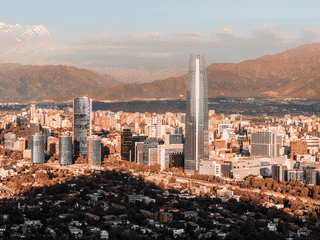
Santiago
Chile33.44°S 70.65°W · 575 m
Viña del Mar
Chile33.00°S 71.52°W · 2 m
Overview
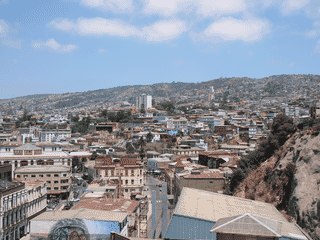
Valparaíso spreads colorful houses and historic ascensores over steep hills above a working Pacific port. Maritime history and a bohemian culture shape its streets and viewpoints.
Languages: Spanish
Why Go to Valparaíso
Valparaíso (locally called Valpo) is a UNESCO World Heritage city where bohemian culture meets maritime history on 42 steep hillsides overlooking the Pacific. The city of nearly 300,000 people charms visitors with its rainbow-painted houses, historic funicular elevators (ascensores) dating to 1883, and a gritty port atmosphere that inspired poets like Pablo Neruda. Unlike nearby Viña del Mar's beach-resort polish, Valpo offers authentic Chilean chaos: narrow pedestrian alleys, street art on every surface, and a nightlife that doesn't start until midnight.
Adapted from Wikivoyage contributors · CC BY-SA 4.0
Getting In
Valparaíso lies about 120 km west of Santiago. Buses from Santiago's Terminal Sur take roughly 90 minutes to 2 hours depending on traffic, with ticket prices around 3,000-5,000 pesos. Buses from Santiago airport (SCL) require a transfer at the bus terminal. For those flying in, the most common approach is arriving via Santiago then taking a bus onward to Valpo. Taxis from Santiago cost significantly more at around 30,000-40,000 pesos.
Adapted from Wikivoyage contributors · CC BY-SA 4.0
Getting Around
Valparaíso's hilly terrain makes walking challenging but rewarding. The iconic ascensores (funicular elevators) connect lower streets to upper cerros for as little as 100-250 pesos each. Microbuses (small buses) run throughout the city for around 200-300 pesos per ride. Many visitors explore Avenida Alemana, a scenic road 150m above downtown offering spectacular viewpoints across the city, port, and coastline to Concón's dunes. Local microbuses along that road can take you back down to town.
Adapted from Wikivoyage contributors · CC BY-SA 4.0
When to Go
Valparaíso enjoys a Mediterranean climate with mild winters (July-August lows of 7°C) and warm summers (January-February highs of 23°C). Winter months bring significant rainfall (June sees 162mm), while summer is drier but foggy on the coast. The annual Carnival during the last week of December features performers from a rotating featured country, free outdoor events, and one of the world's most spectacular New Year's firework displays—but expect the city's population to triple. Summer (December-February) is peak season for festivals but also most crowded.
Adapted from Wikivoyage contributors · CC BY-SA 4.0
Where to Stay
Valparaíso's accommodation clusters in the cerros near the old town. Hostel Casa Verde Limón on Cumming Street offers single rooms from 22,000 pesos with a social living room. Angel Hostal in Cerro Carcel provides dorm beds at 7,000 pesos per person or private rooms at 8,000 pesos, with free internet and breakfast included. For scenic views, The Yellow House on Cerro Artillería occupies an 1800s restored mansion with harbor and Andes views from most rooms, while The Mirador Bed and Breakfast in Playa Ancha offers balconies overlooking the port. Budget travelers should expect to pay 7,000-22,000 pesos for basic hostel accommodation.
Adapted from Wikivoyage contributors · CC BY-SA 4.0
Food and Drink
Valparaíso's signature dish is Chorrillana—a heaping mound of french fries topped with steak, onion, and eggs—best experienced at traditional restaurant J Cruz. Fresh seafood around the muelle (wharf) areas is essential for any visitor. Bakeries on nearly every block serve warm bread right from the oven, best enjoyed with palta (avocado). Empanadas—flaky pastries filled with meat or cheese—are ubiquitous street snacks. Budget travelers can eat well for 3,000-6,000 pesos per meal at local spots like Sabronómico (5500 pesos for two completos and beer) or El Valenciano for chicken and sandwiches. Chile's wine production means good bottles start around 1,500 pesos.
Adapted from Wikivoyage contributors · CC BY-SA 4.0
Things to Do
The Naval and Maritime Museum (Paseo 21 de Mayo 45) costs 4,000 pesos and chronicles Chilean naval victories including the War of the Pacific. La Sebastiana, one of poet Pablo Neruda's three homes on Cerro Bellavista, offers audioguide tours for 9,500 pesos. The Baburizza Palace (Paseo Yugoslavo 176) displays Chilean and European fine arts in a former Croatian merchant's mansion for 4,000 pesos including audioguide. Mercado El Cardonal (Uruguay 125) is a bustling vegetable market with cheap empanadas and grilled skewers. Plaza Sotomayor serves as the central square near the port, while the National History Museum (Condell 1546) is free and focuses on Chile's biogeography from the Juan Fernández Islands to the Andes.
Adapted from Wikivoyage contributors · CC BY-SA 4.0
Safety
Valparaíso is among Chile's more dangerous cities, similar to other harbor towns worldwide. Watch for pickpockets—never hang purses or bags on chair backs. Violent crime is uncommon but display of expensive jewelry should be avoided. The port area (Puerto) is considered dangerous even during daylight hours. A specific organized scam targets drivers: criminals place objects to puncture tires, then approach offering help while accomplices rob the distracted driver. If you get a flat tire, drive to a paid parking garage with security rather than stopping roadside. Most neighborhoods in the cerros are safe for tourists during daylight.
Adapted from Wikivoyage contributors · CC BY-SA 4.0
Connectivity
WiFi is available at most hostels and cafés, though the article notes Casa Verde Limón and Angel Hostal both offer free internet. Puro Cafe on Calle Edwards is known for serving real espresso rather than instant coffee. International students frequently study at the Pontifical Catholic University of Valparaíso and University of Valparaíso, creating a cosmopolitan atmosphere in the hills around Plaza Echaurren.
Adapted from Wikivoyage contributors · CC BY-SA 4.0
Budget
A backpacker can survive on 20,000-35,000 pesos per day in Valparaíso. Basic dorm accommodation runs 7,000-10,000 pesos per night, while street food meals cost 2,000-4,000 pesos. Funicular rides are 100-250 pesos, and microbuses are 200-300 pesos per ride. Museum entry typically costs 4,000-9,500 pesos. A complete meal at casual restaurants like Sabronómico runs 5,500 pesos for two people including beer. Wine bottles start around 1,500 pesos.
Adapted from Wikivoyage contributors · CC BY-SA 4.0
Day Trips
Viña del Mar, a beach resort town, is just 10 minutes away by train or slightly longer by bus—take bus 612 from Plaza Echaurren for a full tour of the Valpo hills. Quintay, an idyllic fishing village 45 minutes south, costs 1,400 pesos by colectivo from Calle 12 de Febrero behind the bus terminal. Concón, 25-30 minutes away, is called Chile's gastronomic capital where Anthony Bourdain ate at Las Deliciosas for supposedly the best empanadas in the country. Laguna Verde, a beach village 10km southwest, is accessible by bus every 15 minutes from Yungay road—useful as a gateway for unmarked hiking trails.
Adapted from Wikivoyage contributors · CC BY-SA 4.0
Go Next
From Valparaíso, Santiago is 120km east via frequent buses (90 minutes-2 hours, 3,000-5,000 pesos). Viña del Mar offers beach relaxation just minutes north by train or bus 612. The wine region of Casablanca is about 30 minutes inland, known for vineyards and wine tasting. For coastal hiking, head south to Quintay or continue to the surfer town of Pichilemu further down the coast.
Adapted from Wikivoyage contributors · CC BY-SA 4.0
Field guide adapted from Wikivoyage contributors · CC BY-SA 4.0. Text has been adapted and organized for this guide. About our sources.
Places to know
A few starting points from the guide. Check current hours and prices before you go.
- sleep
Angel Hostal
Dorm room 7000 pesos per person. Double room 8000 pesos per person, matrimonial and single beds. Good breakfast, decent rooms, friendly helpful staff, good place to meet people, free internet and some tickets to nightlife bohemian experience.
Adapted from Wikivoyage contributors
- eat
Cafe Turri
Great views and good food.
Adapted from Wikivoyage contributors
- eat
Cocina Puerto
Adapted from Wikivoyage contributors
- eat
Delirios de Valparaso
Adapted from Wikivoyage contributors
- eat
El Valenciano
Delicious chicken, good sandwiches and good value meals
Adapted from Wikivoyage contributors
- eat
Il Paparazzo Ristorante & Winebar
Adapted from Wikivoyage contributors
- eat
J Cruz
Traditional restaurant famous for Chorrillana
Adapted from Wikivoyage contributors
- eat
La Conquistada Restaurante
Great restaurant in Cerro Concepciòn.
Adapted from Wikivoyage contributors
Before you go
Culture
Valparaíso is Chile's bohemian capital with a vibrant arts scene, street art culture, and nightlife that doesn't start before midnight. The city was designated a UNESCO World Heritage Site in 2003.
Food
Must-try dishes include Chorrillana (fries topped with steak, onion, eggs) and empanadas. Fresh seafood is abundant near the muelle (wharf). Bakeries on every block serve warm bread with palta (avocado).
Money
Chile uses Chilean Pesos (CLP). ATMs are widely available in the city center. Some smaller vendors and street markets may be cash-only. Credit cards are accepted at most restaurants and hotels.
Safety
Valparaíso has higher crime rates than much of Chile. The port area (Puerto) is particularly risky even during daylight. Watch for pickpockets and tire-puncture scams targeting drivers.
Transport
Valparaíso's ascensores (funiculars) cost 100-250 pesos per ride. Microbuses cover the city for 200-300 pesos. Buses to Santiago depart frequently from the main bus terminal for 3,000-5,000 pesos.
Visa
Most visitors from Western countries receive a 90-day tourist visa on arrival in Chile. Check current requirements as rules can change.
Weather
Mediterranean climate with mild winters (July lows of 7°C) and warm summers (January highs of 23°C). Winter brings heavy rainfall—June averages 162mm. Summer can be foggy on the coast.