Torres del Paine National Park
South America · Chile
Did you know?
- John Gardner Pass lies between Glacier Grey and the Valle de Los Perros.
- A catamaran crossing links Pudeto with Paine Grande.
- The W Trek links Grey Glacier with the Francés Valley and a granite-tower viewpoint.
See also
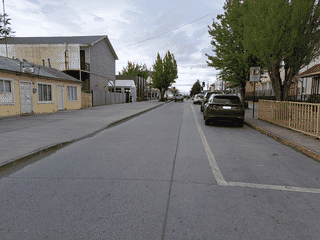

Puerto Natales
Chile51.73°S 72.52°W · 3 m
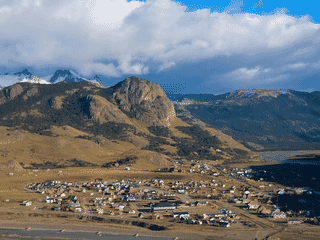

El Chalten
Argentina49.33°S 72.93°W · 397 m
El Calafate
Argentina50.33°S 72.28°W · 199 m
Punta Arenas
Chile53.17°S 70.93°W · 34 m
Overview
Granite towers rise above glacial lakes in Torres del Paine. The W Trek and O Circuit draw hikers into a landscape of glaciers and condors.
Languages: Spanish
Why go?
Torres del Paine is Chilean Patagonia's crown jewel, famous for the iconic granite towers that rise dramatically above glacial lakes. The park offers world-class trekking on the W Trek (4-6 days) and the full O Circuit (7-10 days), with glaciers, condors, and weather that can shift through four seasons in a single day. It's a bucket-list destination for hikers seeking remote wilderness and dramatic mountain scenery.
Adapted from Wikivoyage contributors · CC BY-SA 4.0
Get in
Most visitors arrive via Puerto Natales, the main gateway town with bus connections. Buses run to the park's Laguna Amarga entrance and Puerto Natales itself. From there, shuttle vans connect to Hotel Las Torres (3,000 pesos one way) and catamarans depart from Pudeto to Paine Grande. The park is remote—prepare for long bus rides through Patagonian landscape.
Adapted from Wikivoyage contributors · CC BY-SA 4.0
Get around
The catamaran Hielos Patagónicos runs between Pudeto and Paine Grande: 23,000 pesos for Chileans, US$35 for foreigners (plus 4,000 pesos for backpack transport up to 50 kg). A van shuttles between Laguna Amarga and Hotel Las Torres four times daily (3,000 pesos one way). The Grey II boat connects Hostería Lago Grey to Refugio Grey but requires advance booking (70,000 pesos high season). The rest of the park is accessed on foot via the W Trek or O Circuit trails.
Adapted from Wikivoyage contributors · CC BY-SA 4.0
When to go
The main season runs November through April (Southern Hemisphere summer) when trails are fully accessible. January-February offer the warmest temperatures but also the most crowded conditions. Be prepared for harsh weather year-round—wind and intense sun are constant concerns. The backside of the Paine Massif Circuit closes May-October due to ranger absence and dangerous terrain. Parts of the W Trek, including the Francés Valley and Base of the Towers, may close in winter due to snow accumulation.
Adapted from Wikivoyage contributors · CC BY-SA 4.0
Fees and permits
Park entry fees increased significantly in 2020 with no low-season discounts. Foreign visitors pay 25,000 pesos (35,000 pesos for stays over 3 days). Chilean citizens and residents pay 7,000 pesos (10,000 pesos over 3 days). Exchange students and foreign workers can show their Cédula de Identidad to qualify for the resident rate. Free reservations for CONAF campsites are available on the official park website.
Adapted from Wikivoyage contributors · CC BY-SA 4.0
Things to do
The W Trek is the classic 4-6 day route visiting Grey Glacier, the Francés Valley, and the Torres del Paine viewpoint at Base de las Torres (a 45-minute hike from Campamento Torres). The O Circuit adds 7-10 days for a full circuit around the massif with remote valleys and the dramatic John Gardner Pass between Glacier Grey and the Valle de Los Perros. Day hikes include Mirador Cóndor, Salto Grande, Cuernos viewpoints, Nordenskjöld Lake, and boat trips to Grey Glacier.
Adapted from Wikivoyage contributors · CC BY-SA 4.0
Where to stay
Since October 2016, reservations are required for both CONAF campsites and refugios. Free CONAF campsite reservations can be made on the official park website. Refugios along the trek include Refugio Paine Grande (100 guests, mixed dorms of 2-6 beds with restaurant and bar), Refugio Grey (60 guests near Glacier Grey), Refugio Torres (120 capacity in two buildings with lounge and restaurant), and Refugio Los Cuernos (mixed dorms, campsite with 50 tent spots, and double cabins).
Adapted from Wikivoyage contributors · CC BY-SA 4.0
Food and drink
Refugio Paine Grande has the only combination bar/restaurant on the W Trek. Provisions can be restocked (at higher prices) at Refugio Grey, Refugio Chileno, and Refugio Los Cuernos. A small kiosk at Hotel Las Torres serves those starting the trek to Las Torres. At Pudeto, a cafeteria is convenient for catamaran departures. All refugios sell local beer, wine, and pisco sours to hikers.
Adapted from Wikivoyage contributors · CC BY-SA 4.0
Buy
Shopping options within the park are limited. Hotel Las Torres has a gift shop, and there's another shop at Pehoé Camping, about 30 minutes south of Pudeto on the shores of Lago Pehoé. For more shopping options, visit Puerto Natales before entering the park.
Adapted from Wikivoyage contributors · CC BY-SA 4.0
Safety
Foxes are known to steal food and belongings and have bitten small children—store provisions securely. The weather in the John Gardner Pass area can be particularly treacherous even by Patagonian standards. Check the daily trail status report (informe diario) on the official park website before venturing out. Always carry rain gear and layers regardless of the morning forecast.
Adapted from Wikivoyage contributors · CC BY-SA 4.0
Day trips
While Torres del Paine itself is the destination, nearby attractions include Bernardo O'Higgins National Park (west and northwest, accessible by boat or helicopter via Puerto Natales) and Los Glaciares National Park in Argentina (several hours' drive via Puerto Natales and border crossing to El Calafate). Puerto Natales, the gateway town, is worth exploring for its markets and as a staging point for further Patagonian adventures.
Adapted from Wikivoyage contributors · CC BY-SA 4.0
Go next
Bernardo O'Higgins National Park lies just west and northwest—remote, vast (about the size of Taiwan), accessible by boat or helicopter but requiring a backtrack through Puerto Natales. Los Glaciares National Park in Argentina is not far as the crow flies but involves a multi-hundred-kilometer drive via Puerto Natales, a border crossing, and Ruta 40 to El Calafate. Punta Arenas, Chile's southernmost proper city, serves as an access point for far southern Patagonia and Antarctica.
Adapted from Wikivoyage contributors · CC BY-SA 4.0
Field guide adapted from Wikivoyage contributors · CC BY-SA 4.0. Text has been adapted and organized for this guide. About our sources.
Places to know
A few starting points from the guide. Check current hours and prices before you go.
- sleep
FantásticoSur Lodges
Reservations for Refugio Torres, El Chileno and Los Cuernos
Adapted from Wikivoyage contributors
- sleep
Hotel Las Torres
Hotel with restaurant, bar and spa.
Recorded price: rates including breakfast from: US$360 (single), US$415 (double) in low season, from US$460 (single), US$515 (double) in high season
Adapted from Wikivoyage contributors
- sleep
Refugio Chileno
In 2024, Chileno stopped offering lodging services in dorms (refugio), and the facilities have been converted into a bar open to the public, as well as a common area and dining room for guests staying at the campsite. The campsite has increased its capacity and upgraded the tents, which are now safari-style glamping tents.
Adapted from Wikivoyage contributors
- sleep
Refugio Grey
Near the Grey Glacier, this refugio has room for 60 guests in dorms for 4 or 6 persons. Also here you can choose between having bed linen (more expensive) or sleeping in a sleping bag. Bedrooms aren't heated, common areas are. Bathrooms are shared. There's a restaurant with a bar and a food shop. There's a campsite too.
Adapted from Wikivoyage contributors
- sleep
Refugio Los Cuernos
A refugio with dorm accommodation, a campsite and cabins. There are 4 mixed dorms sleeping 8 people each (still advertising room for 36 guests), shared bathrooms, a restaurant and shop. The campsite has place for 50 tents, and you can rent equipment if needed. Then there are 8 double cabins with made-up twin beds and shared bathrooms for cabin guests.
Adapted from Wikivoyage contributors
- sleep
Refugio Paine Grande
The refugio has a capacity of 100 guests in mixed dorms of 2, 4 and 6 beds with the possibility of opting for a made up bed or sleeping in a sleeping bag. Shared bathrooms. You can also find a restaurant, bar and a shop there. For campers there's a campsite with place for 260 guests with a cooking area.
Adapted from Wikivoyage contributors
- sleep
Refugio Torres
Two buildings, Torre Norte and Torre Central, 100 m from each other. Both have 10 mixed dorms sleeping 6 people each and shared bathrooms (total capacity of 120 guests). Bed linen are included, though in Norte you can opt to use your own sleeping bag. Torre Central has a lounge, restaurant, bar and shop as well as central heating and the check in takes place there, whereas Norte is a simpler wood-heated building. In the area there's a campsite as well (Camping Central)
Adapted from Wikivoyage contributors
- sleep
Refugio Vértice Dickson
A smaller refugio sleeping 27 guests, where there again is the option of sleeping in a sleeping bag or bed linen, as well as a campsite. There's a restaurant with a fixed menu and snacks, as well as a food shop.
Adapted from Wikivoyage contributors
Before you go
Accommodation
Reservations are required for all campsites and refugios (implemented October 2016). Free reservations for CONAF campsites via the official park website. Refugio dorms range from budget shared rooms to upgraded glamping tents.
Money
Park entry for foreigners is 25,000 pesos (35,000 for stays over 3 days). Catamaran is US$35 for foreigners or 23,000 pesos for Chileans. Cash is essential at refugios and campsites as card facilities are limited.
Safety
Foxes pose a food and property risk. The John Gardner Pass area has particularly volatile weather. Check daily trail reports on the official website before setting out.
Transport
Most visitors enter via Puerto Natales. Within the park, transportation options include catamarans (Pudeto-Paine Grande), shuttle vans (Laguna Amarga-Hotel Las Torres), and boat services to Grey Glacier.
Weather
Patagonian weather is unpredictable—expect all four seasons in a single day. Pack layers, windproof clothing, and sun protection. The park has a temperate cold rain climate with no dry season.