.jpeg)
Havana
Cuba23.12°N 82.39°W · 59 m
25 places in the index.
23.12°N 82.39°W · 59 m
20.03°N 75.81°W · 82 m
21.80°N 79.98°W · 60 m
23.14°N 81.29°W · 4 m
Baracoa, nicknamed La Ciudad Primera, is Cuba's easternmost and oldest city. Shielded by mountains and the Atlantic, it has a distinct local culture, unique cuisine, and natural rainforest surroundings.
Atlas entry
Camagüey is Cuba's third-largest city and the capital of Camagüey Province, often bypassed by tourists heading to more famous destinations. The city is known as the "City of Jars" (Ciudad de las Jarras) for its rich pottery tradition.
Atlas entry
Cayo Coco centers on beach relaxation and all-inclusive stays. It draws travelers seeking warmth during the northern winter.
Cayo Largo is a flat coral island in the Caribbean Sea off Cuba's southwestern coast, part of the Canarreos Archipelago. The island is almost entirely devoted to resort tourism, offering 25 km of white-sand beaches, particularly Playa Serena.
Atlas entry
Ciego de Ávila serves primarily as a transit hub on Central Cuba's Carretera Central, 460 km east of Havana. The city has a modern layout but preserves colonial architectural features in its historic center, making it a brief stop for those interested in provincial Cuban urban life.
Atlas entry
Cienfuegos, known as the Pearl of the South, is the only city in Cuba founded by the French, giving it wider streets and a different feel than other Cuban cities. The historic center is a UNESCO World Heritage Site, featuring neoclassical and Victorian architecture.
Atlas entry
Florida is a small city in Camagüey Province serving primarily as a transit point between Camagüey and Ciego de Ávila. Its main draw is proximity to Playa Florida and Playa Santa Lucía beaches.
Atlas entry
Atlas entry
Guanahacabibes Peninsula National Park is Cuba's westernmost point, covering nearly 40,000 hectares of protected natural area. The park offers pristine white sand beaches where human visitors are rarely seen, over 100 lakes, and a series of small offshore islands and cays popular with scuba divers and naturalists.
Atlas entry
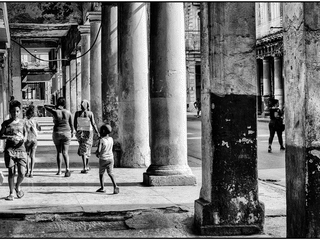
Havana is Cuba's capital, known for its music and cultural life. Historic buildings and monuments give a city stay plenty of architectural interest.
Holguín serves as the gateway to the most scenic province in eastern Cuba. High mountains, fertile plains, and some of the Caribbean’s most picturesque beaches surround the city.
Atlas entry
Maria la Gorda is a remote coastal settlement on the Guanahacabibes Peninsula in western Cuba, best known for its diving camp and marine life. Even non-divers find it a pleasant overnight stop, with a sandy beach, tranquil setting, and proximity to the peninsula's natural landscapes.
Atlas entry
Matanzas sits just minutes from the Varadero resort strip yet offers a stark contrast to the all-inclusive experience. The city, nicknamed the 'City of Bridges' (Ciudad de los Puentes) for its spans over three rivers, attracts surprisingly few tourists despite its proximity.
Atlas entry
Moa is neither fancy nor touristic—it exists primarily as a mining town surrounded by nickel operations. Most foreigners stop here only as a transit point between Baracoa and Holguín.
Atlas entry
Morón is the second largest town in Ciego de Ávila province and serves as the practical gateway to the beach resorts on Cayo Coco and Cayo Guillermo. The town itself is quiet and somewhat overlooked by tourists rushing through, but its claim to fame is the Laguna de Leche (Lake of Milk) — the largest natural lake in Cuba — sitting just north of the center.
Atlas entry
Pinar del Rio offers a cleaner, more relaxed alternative to Cuba's busier tourist destinations. Unlike its famous neighbor Viñales, this city remains largely untouristy, providing a more authentic glimpse into Cuban daily life.
Atlas entry
Puerto Esperanza is a small seaside town in Pinar del Rio Province offering an authentically relaxed Cuban fishing village experience with very few foreign tourists. Located just north of Viñales, it provides a quieter alternative to more touristed areas while still offering warm Caribbean Sea swimming, local tobacco culture, and genuine interactions with Cuban families.
Atlas entry
Remedios is one of the oldest cities in Cuba, founded in the early 16th century, with intact 17th-century architecture still visible throughout its streets. The city is primarily known for Las Parrandas de Remedios, a spectacular Christmas festival celebrated between December 16th and 26th that has earned UNESCO Intangible Cultural Heritage status since 2018.
Atlas entry
This UNESCO Biosphere Reserve offers a quieter alternative to the popular Vinales valley, with 25,000 ha of Sierra del Rosario mountains to explore. The reserve centers on two communities: Soroa, known for its world-class orchid garden and waterfall, and Las Terrazas, a promoted eco-tourism destination.
Atlas entry
Sancti Spíritus is one of the oldest Spanish settlements in Cuba, founded in 1514, making it a must-see for history enthusiasts. The city preserves colonial-era architecture in its historical centre, including the Parroquial Mayor, claimed to be the oldest church in Cuba.
Atlas entry
Santa Clara is Cuba's most centrally located major city and serves as the capital of Villa Clara province. The city is famous worldwide as the final resting place of revolutionary Che Guevara, whose mausoleum and museum draw visitors from across the globe.
Atlas entry
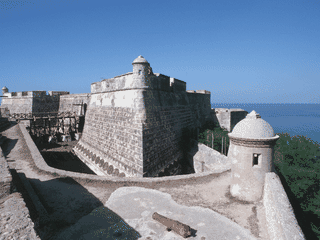
Santiago de Cuba combines historic fortifications with son and salsa music venues. Street fairs and access to the Sierra Maestra mountains add to its cultural appeal.
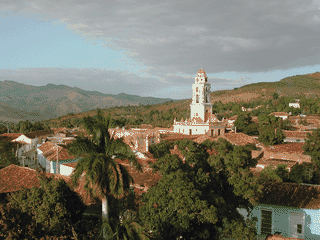
Trinidad's cobbled lanes weave between pastel colonial mansions and old churches. Salsa music and rum cocktails add to the atmosphere of its UNESCO-listed old town.
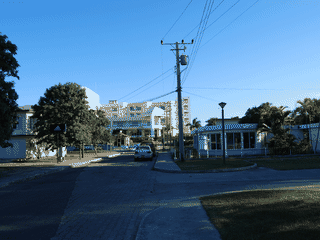
Varadero is a beach resort destination on the Hicacos Peninsula. White sand, turquoise water and all-inclusive hotels define much of the visitor experience.
Viñales is a valley town beneath steep limestone formations called mogotes. Tobacco farmland and the surrounding UNESCO-listed landscape make it a base for rural exploration.
In development: the whole atlas offline, a trip planner and a private journal. We'll post here when it ships. No newsletter to join.

_02.jpg)
_037.JPG)