.jpeg)
Havana
Mexico, Central America and the Caribbean · Cuba
Did you know?
- El Floridita is associated with daiquiris.
- Coco taxis travel on three wheels.
- Paladares are family-run restaurants serving Cuban food.
See also
_037.JPG)
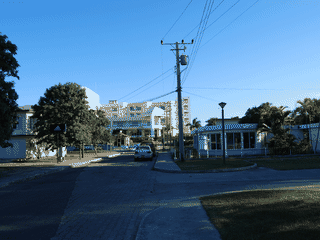
Varadero
Cuba23.14°N 81.29°W · 4 m
Viñales
Cuba22.62°N 83.72°W · 135 m
Overview
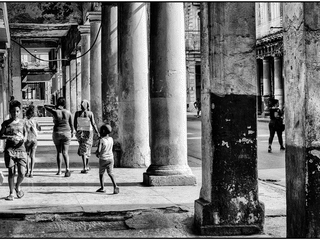
Havana is Cuba's capital, known for its music and cultural life. Historic buildings and monuments give a city stay plenty of architectural interest.
Languages: Spanish
Why go?
Havana is the capital of Cuba, known for its music, history, culture, architecture and monuments. Before the revolution it was a vacation hotspot, and since Cuba reopened to tourism in the 1990s, it has become a popular destination once again. Visitors come for the romantic atmosphere of a bygone era, with beautifully preserved colonial buildings and a vibrant street life.
Adapted from Wikivoyage contributors · CC BY-SA 4.0
Getting in
José Martí International Airport (HAV) is the main gateway, with Terminal 3 handling most international flights. Viazul bus operates inter-city coaches from major Cuban cities, and the main train station is La Habana Central. US citizens face a near-total travel ban; others need a tourist card.
Adapted from Wikivoyage contributors · CC BY-SA 4.0
Getting around
Old Havana is walkable, but for longer distances use coco taxis (cheap, three-wheeled) or classic car tours (~US$20-30/hr for up to four people). Buses and a hop-on-hop-off tourist bus also operate. Walking along El Malecón and the Prado is a great way to experience the city.
Adapted from Wikivoyage contributors · CC BY-SA 4.0
When to go
Havana has a tropical climate with warm temperatures year-round. The dry season from November to April is most pleasant. Hurricane season runs June-November, with higher rainfall and potential storms.
Adapted from Wikivoyage contributors · CC BY-SA 4.0
Where to stay
Three main areas: Old Havana (lively, crowded), Central Havana (slightly quieter, some seedy parts), and Vedado (quiet, greenery, large hotels and casas particulares). Budget travelers prefer casas particulares (private rooms in family homes) costing ~US$25-35/night.
Adapted from Wikivoyage contributors · CC BY-SA 4.0
Food and drink
Government-run restaurants average ~US$20 for two. Paladares (family-run restaurants) offer authentic Cuban food at lower prices. Must-try drinks include mojitos at La Bodeguita del Medio and daiquiris at El Floridita. Local neighborhood bars serve cheap rum and beer.
Adapted from Wikivoyage contributors · CC BY-SA 4.0
Things to do
Explore Old Havana (UNESCO World Heritage Site), visit the Museum of the Revolution (~US$6), El Capitolio, Partagás cigar factory (~US$10 tour), Havana Club Rum Museum, Plaza de la Revolución, and Colon Cemetery (~US$5). Enjoy a walk along the Malecón, take a classic car tour, join a bike tour (Citykleta ~US$28), or head to Playas del Este beaches (~US$5 roundtrip bus). For nightlife, catch a show at Tropicana (~US$90) or dance salsa at Casa de la Musica.
Adapted from Wikivoyage contributors · CC BY-SA 4.0
Safety
Havana is generally safe with heavy police presence in tourist areas. Avoid dark streets in Centro Habana at night due to muggings. Beware of hustlers (jineteros) offering tours or bars; firmly decline. Ask for menus with prices to avoid tourist-price scams. Give exact cash when paying.
Adapted from Wikivoyage contributors · CC BY-SA 4.0
Connectivity
Internet access is limited. ETESCA (state telephone company) offices offer internet cafes. Some high-end hotels sell wi-fi scratch cards. The local emergency number is 116.
Adapted from Wikivoyage contributors · CC BY-SA 4.0
Budget
Havana can be surprisingly expensive if staying in hotels and eating in tourist restaurants. Budget travelers stay in casas particulares (~US$25-35/night), eat at paladares, use local transport, and buy drinks at neighborhood bars. Daily budget can be around US$50-70 per person.
Adapted from Wikivoyage contributors · CC BY-SA 4.0
Day trips
Popular day trips include Varadero (beach), Viñales Valley (nature and tobacco farms), Isla de la Juventud, Cienfuegos (French-style city), Trinidad (colonial town), and Santiago de Cuba.
Adapted from Wikivoyage contributors · CC BY-SA 4.0
Etiquette
Discussing politics with locals is tricky and can be uncomfortable. It's best to avoid the topic. When visiting churches, dress modestly. Tipping is expected in tourism services.
Adapted from Wikivoyage contributors · CC BY-SA 4.0
Go next
From Havana, head east to Santiago de Cuba, west to Viñales, or north to Varadero beach. Other destinations include Cienfuegos, Trinidad, and the Isla de la Juventud.
Adapted from Wikivoyage contributors · CC BY-SA 4.0
Field guide adapted from Wikivoyage contributors · CC BY-SA 4.0. Text has been adapted and organized for this guide. About our sources.
Places to know
A few starting points from the guide. Check current hours and prices before you go.
- eat
Castropol
Restaurant with Cuban-Asturian food. Lots of great appetizers that also works as snacks with a cocktail. The atmosphere is cosy. In front of the restaurant is a small arcade with small cast iron tables and chairs, where you can have a drink (and a snack) and look over the water and study the steady stream of old US cars on Malecon (you just have to accept the noise from the cars too).
Recorded price: ~US$7-20
Adapted from Wikivoyage contributors
- eat
Chan Li Po
The restaurant is upstairs, fully air-conditioned, looks immaculate. Despite being a Chinese restaurant, they serve European dishes too. Friendly service. About ~US$4 for one pizza. Cocktails are ~US$2.5.
Adapted from Wikivoyage contributors
- eat
Coppelia Ice Cream parlour
Practically a Cuban institution with people waiting up to an hour to get a seat.
Adapted from Wikivoyage contributors
- eat
DNext Bar Cafetería
They serve mainly Italian food, sandwiches and cocktails. Prices start at ~US$3.5. The establishment is fully air-conditioned and ideal for a quick meal.
Adapted from Wikivoyage contributors
- eat
El Aljibe
In the Havana suburb of Miramar, El Aljibe is the definitive proof that food in Cuba needn't be bland. Try the house specialty, chicken in sour orange sauce. El Aljibe also has a remarkably well-stocked wine cellar.
Adapted from Wikivoyage contributors
- eat
Hanoi
Old fashioned restaurant, with live music and no A/C. They even serve traditional Cuban food, such as black beans with rice.
Adapted from Wikivoyage contributors
- eat
La Casa
This stylish restaurant, in Nuevo Vedado, is a large California-style house typical of the 1950s. The dining room and garden are inviting and intimate. The impeccable service and consistency uncommon in Cuba, are a must in Havana.
Recorded price: ~US$10-25
Adapted from Wikivoyage contributors
- eat
La Fontana Restaurant
One of the most notable grill restaurants in Cuba. La Fontana has a refined yet sober home environment, suitable for a dinner with a touch of familiarity and a placid conversation, while enjoying exquisite dishes from its specialty, updated Cuban cuisine. Reservations essential.
Recorded price: From ~US$25/person.
Adapted from Wikivoyage contributors
Before you go
Connectivity
Internet access is limited to ETESCA cafes and some hotel wi-fi. Purchase scratch cards for access.
Entry
US citizens face a travel ban. Others need a tourist card. Check your embassy for requirements.
Language
Spanish is the main language. English is spoken in tourist areas.
Money
US dollars widely accepted but US bank cards do not work. Use Cuban Pesos (CUP). ATMs accept Visa but not MasterCard.
Safety
Generally safe but avoid dark streets at night. Watch for scams such as fake cigar sales and overpriced menus.
Transport
Coco taxis and classic car tours are common. Viazul bus connects major cities.