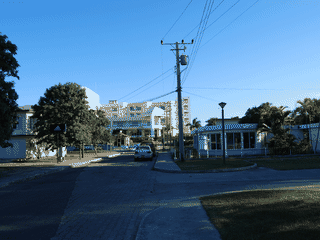
_037.JPG)
Varadero
Mexico, Central America and the Caribbean · Cuba
Did you know?
- The resort strip occupies the 30-km Hicacos Peninsula.
- Bellamar's caverns opened to visitors in the 1860s.
- Villa Du Pont is a historic mansion associated with the local golf club.
See also
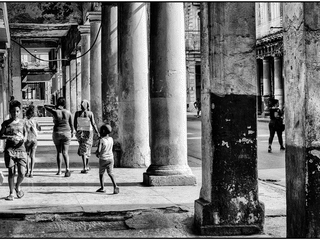
.jpeg)
Havana
Cuba23.12°N 82.39°W · 59 m
Overview
Varadero is a beach resort destination on the Hicacos Peninsula. White sand, turquoise water and all-inclusive hotels define much of the visitor experience.
Languages: Spanish
Why Go
Varadero sits on the 30-km-long Hicacos Peninsula offering the best beaches in Cuba, with crystal-clear turquoise warm water and pristine white sandy shores. This resort destination transformed in the 1990s into a four- and five-star all-inclusive paradise, primarily attracting Canadian tourists seeking accessible winter getaways. While it resembles "real Cuba" the least, it provides unparalleled beach luxury and water activities.
Adapted from Wikivoyage contributors · CC BY-SA 4.0
Getting In
Varadero does not have train service. Most visitors arrive via Juan Gualberto Gomez Airport (airport code VRA), which handles international flights from Canada and Europe. Package tours from Canadian operators are the primary way travelers reach Varadero. Overland access is limited as the peninsula is connected to the mainland by a narrow causeway.
Adapted from Wikivoyage contributors · CC BY-SA 4.0
Getting Around
Many visitors staying at all-inclusive resorts don't venture far from their hotel complexes. Walking is practical for those staying near the town center, while resort guests further out typically walk the beach or arrange transfers. Reaching Varadero town from beach hotels requires a vehicle. Those based in town have more exploration options on foot.
Adapted from Wikivoyage contributors · CC BY-SA 4.0
When To Go
The peak season runs from December to April when Canadian tourists flock for winter sun getaways. Summer months offer lower prices but hotter temperatures. The peninsula's beaches are public, with the best beach conditions found further toward the tip of the peninsula rather than near the base.
Adapted from Wikivoyage contributors · CC BY-SA 4.0
Where To Stay
Varadero offers Cuba's widest hotel diversity, from budget Cuban options like Islazul and Horizontes brands to international chains including Melia, Sandals, Iberostar, and Cubanacan. All-inclusive packages dominate the resort area past the golf course. Budget travelers can find spartan but affordable rooms at Islazul Herradura, while those wanting local immersion might try casa particulars like Hostal Varsovia in Boca de Camarioca, 5 km from town, at US$25-30 per night. Always request a mosquito net or higher-floor room.
Adapted from Wikivoyage contributors · CC BY-SA 4.0
Food And Drink
All-inclusive resort guests enjoy meals included in their packages at hotel restaurants. Varadero town offers diverse options from open-air food stalls to sit-down restaurants, featuring pollo loco (roasted chicken), hamburguesas con queso (cheeseburgers), sandwiches, and pizza joints. Menus are typically posted outside establishments. The Marina has a very good restaurant, and the International Shopping Centre hosts several dining options. Chicken, pork, and fish dominate menus, with beef readily available.
Adapted from Wikivoyage contributors · CC BY-SA 4.0
Things To Do
The main draw is the beach, which improves the further you travel toward the peninsula tip. Beyond sunbathing, Varadero offers dolphin encounters at Delfinario (show US$15, swim US$85), snorkeling at Coral Beach (US$10), cave exploration at Cuevas de Bellamar (US$5) and Cueva de Ambrosio (US$5), skydiving over beach landings (US$200), and catamaran excursions to Cayo Blanco with snorkeling and sunset parties (US$75-85). Golf enthusiasts can play Cuba's largest 18-hole course at Varadero Golf Club.
Adapted from Wikivoyage contributors · CC BY-SA 4.0
Safety
Varadero is extremely safe for travelers, being a strictly controlled tourist enclave with regular police presence. Cuba is considered the safest Caribbean country for visitors, including solo females. However, be aware of a credit card scam at Varadero Airport involving cash advances processed through CADECA counters—never let cards leave your hands. The beach flag system indicates conditions: red means no swimming, yellow means caution, green means safe. Watch for pickpockets at airport CADECA when exchanging money. Be cautious with overly friendly locals who may demand payment for company.
Adapted from Wikivoyage contributors · CC BY-SA 4.0
Connectivity
Higher-end hotels provide internet access for guests. The ETECSA office in Varadero town sells internet cards at approximately CUC5 per hour for computer access—this is an internet cafe environment with no Wi-Fi available. Mobile data coverage exists but speeds are limited throughout Cuba.
Adapted from Wikivoyage contributors · CC BY-SA 4.0
Budget Planning
Budget-conscious travelers can expect daily costs starting around US$30-50 including casa particular accommodation, street food meals, and local transportation. Mid-range all-inclusive packages from Canada often start around US$800-1000 per person for a week. Activities add to costs: dolphin shows US$15, cave tours US$5, snorkeling US$10, skydiving US$200. The local currency is Cuban Convertible Peso (CUC) for tourists.
Adapted from Wikivoyage contributors · CC BY-SA 4.0
Day Trips
The Bellamar Caves (Cuevas de Bellamar) offer a journey into Cuba's oldest tourist attraction, open since the 1860s, featuring extensive underground formations with many steps and warm, damp conditions. Varadero Golf Club's 18-hole course and historic Villa Du Pont mansion provide cultural interest for non-beach hours. Nearby Havana and Santa Clara make possible longer excursions from Varadero.
Adapted from Wikivoyage contributors · CC BY-SA 4.0
Go Next
From Varadero, travelers can continue to Havana, Cuba's vibrant capital city with rich colonial history, approximately 2-3 hours away by road. Santa Clara offers revolutionary history sites and Che Guevara memorials. The peninsula makes a convenient starting point for exploring Western Cuba's cultural and historical attractions.
Adapted from Wikivoyage contributors · CC BY-SA 4.0
Field guide adapted from Wikivoyage contributors · CC BY-SA 4.0. Text has been adapted and organized for this guide. About our sources.
Places to know
A few starting points from the guide. Check current hours and prices before you go.
- sleep
El Caney
Best views of the beach while digging into local fresh seafood and meat grills. Traditionally Cuban.
Adapted from Wikivoyage contributors
- sleep
Hostal Varsovia
The property is a beautiful waterfront home with two spacious rooms with ensuite bathroom. Great Cuban family and beach atmosphere.
Recorded price: US$25-30 in low and high season respectively
Adapted from Wikivoyage contributors
- sleep
Hotel Islazul Herradura
Horseshoe-shaped hotel offering affordable Cuban-style accommodation with basic amenities.
Adapted from Wikivoyage contributors
- sleep
Naviti Varadero
All-inclusive resort with beautiful private beach, entertainment and the largest gym in Varadero.
Adapted from Wikivoyage contributors
- eat
International Shopping Centre Restaurants
Several restaurant options within the shopping complex near town.
Adapted from Wikivoyage contributors
- eat
Pollo Loco
Cuban-style roasted chicken chain, pronounced "poy-yo lo-ko" (crazy chickens).
Adapted from Wikivoyage contributors
- eat
Varadero Golf Club Restaurant (Las Americas)
Luxurious restaurant in the historic Dupont Mansion basement with mahogany decor and Italian marble floors.
Adapted from Wikivoyage contributors
- eat
Varadero Marina Restaurant
Very good restaurant at the Marina with fresh seafood and ocean views.
Adapted from Wikivoyage contributors
Before you go
Connectivity
ETECSA internet cards cost ~CUC5/hr at town cafe. Wi-Fi is not available. Hotel internet exists at nicer properties but may be slow and expensive.
Food
All-inclusive dominates the resort experience. Town offers street food, fast food, and sit-down restaurants with posted menus. Fresh seafood and Cuban classics available at local establishments.
Health
Bottled water recommended throughout Cuba. Medical facilities exist but are basic. Consider travel insurance covering medical evacuation. Mosquitoes present—request nets at budget accommodations.
Money
Cuba uses two currencies: Cuban Convertible Peso (CUC) for tourists and Cuban Peso (CUP) for locals. ATM access is limited outside major tourist areas. Credit cards from US banks typically don't work due to the embargo.
Safety
Varadero is very safe with regular police presence. Main concerns are credit card scams at airports and pickpocketing. Beach safety uses a flag system: red=no swimming, yellow=caution, green=go swim.
Transport
No trains exist. Most arrive via package tours or flights to Juan Gualberto Gomez Airport. Local transport involves walking, taxis, or renting vehicles. Town is walkable but resort areas require transport.