
Bluefields
Nicaragua12.00°N 83.75°W · 25 m
32 places in the index.
12.00°N 83.75°W · 25 m
11.93°N 85.95°W · 73 m
11.50°N 85.58°W · 1,610 m
12.43°N 86.89°W · 104 m
12.14°N 86.25°W · 143 m
11.13°N 84.78°W · 51 m
11.25°N 85.87°W · 9 m
Atlas entry
Great Corn Island was colonized by people who escaped slavery in Jamaica, and most native islanders have more in common culturally with other English-speaking Caribbean islands than with mainland Nicaragua. Tourism is still in its infancy, so there are few tourist traps.
Atlas entry
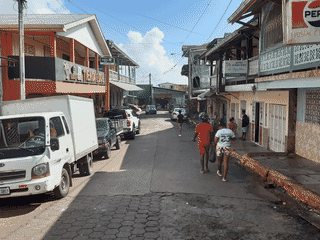
This Caribbean port brings together Afro-Caribbean, Miskito, Rama, Garifuna and mestizo cultures. Travelers often pass through on their way to the Corn Islands or coastal villages.
Chinandega is one of the largest cities in Nicaragua with a population of 86,000, serving as a commercial and manufacturing center in the rich agricultural area between the Cordillera de Los Maribios volcanoes and the Pacific Ocean. The city is known for its colonial churches including the 17th-century Santa Ana Church with an original altarpiece and the Sanctuary Church of Our Lady of Guadeloupe, the first sanctuary church in Central America designated by Pope Pío IX in 1855.
Atlas entry
El Castillo is a small, car-free town on the San Juan River where a 1670s Spanish fortress guards against rapids that once thwarted pirates and a young Horatio Nelson. The town serves as the gateway to the Indio Maiz Biological Reserve and offers jungle lodges, kayak rentals, and seasonal river shrimp for travelers venturing into Nicaragua's southeastern frontier.
Atlas entry
Estelí is a Sandinista stronghold where revolutionary murals cover nearly as many walls as in León. The city is a center of Nicaragua's coffee and tobacco industries, offering factory tours at places like Drew Estate.
Atlas entry
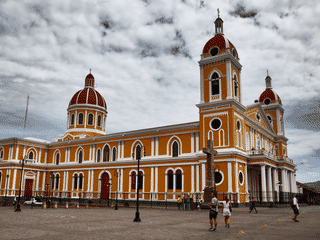
Colorful colonial buildings and a long urban history give this city its character. Culture, nightlife and outdoor excursions make it a varied base for a longer stay.
Two volcanic peaks rise from Lake Nicaragua to form this island. Concepción and Maderas give the landscape its distinctive shape, echoed in a Nahuatl name meaning two mountains.
Isla Zapatera is the second largest island in Lago Cocibolca (Lake Nicaragua), part of Parque Nacional Archipelago Zapatera established in 1983. The island centers around dormant Volcan Zapatera, standing 629 meters high with a hiking trail to the summit.
Atlas entry
Jinotega is known as the "City of Mists" due to the magnificent wisps of cloud feathering the valley at 1,010 m elevation. The city is surrounded by the Dariense Isabelia mountain ranges and enjoys a cool climate of 25-27°C, offering a refreshing contrast to the lowland heat.
Atlas entry
Juigalpa serves as the capital of the Chontales department along the Carretera Norte. It is primarily notable for the annual Ascension festival held the week of August 15, considered one of the best patron saint celebrations in Central America, drawing visitors from neighboring countries.
Atlas entry
Laguna de Apoyo is a nature reserve centered on a volcanic crater lake about 6 km in diameter and 175 m deep. The lake's small, forested drainage area with minimal agriculture makes its waters remarkably transparent compared to Lake Cocibolca.
Atlas entry
Las Peñitas is a small fishing village on Nicaragua's Northern Pacific Coast that offers excellent surfing without the crowds found at more famous destinations. Famous for its peaceful atmosphere and excellent sunsets, Las Peñitas serves as both a relaxing beach escape from León's heat and a gateway to the Juan Venado Island Nature Reserve.
Atlas entry
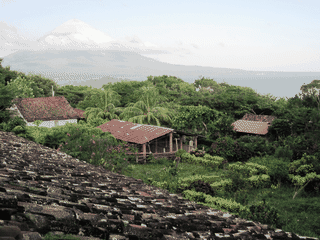
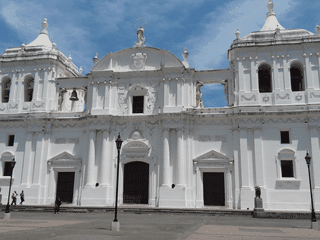
León's cathedral is a UNESCO-listed landmark. Its rooftop offers views toward the surrounding volcanoes.
This walkable island has no roads or motorized vehicles. A paved west-coast sidewalk gives way to narrow dirt paths through the leafy interior.
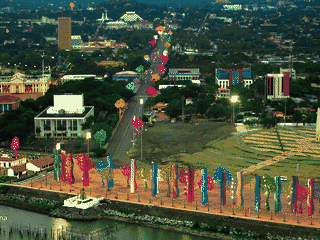
Managua concentrates much of Nicaragua's political and commercial life. The city is also a center for the country's culture and religious activity.
Masaya sits precariously close to Volcán Masaya, an active volcano that perpetually billows sulfuric smoke into the sky. The city is Nicaragua's craft capital, famous for hammocks, wood carvings, and leather goods sold along the malecon and at Mercado de Artesanias.
Atlas entry
Matagalpa is the biggest city in Nicaragua's Northern Highlands, founded in pre-Columbian times with a population of 150,000. Its temperate climate and mountain setting make it an ideal base for hiking, coffee farm tours, and visits to indigenous villages.
Atlas entry
Moyogalpa is one of two major towns on Isla de Ometepe and serves as the administrative seat and primary arrival point for most visitors. The town sits on Lake Cocibolca, offering stunning views of Volcán Concepción that will likely have you taking dozens of photos.
Atlas entry
Ocotal is a smallish Nicaraguan town near a lesser-used northern border crossing with Honduras. It has a real frontier feel and is spread out over a few kilometers.
Atlas entry
Playa Gigante is a tiny fishing village turned surf haven on Nicaragua's Southern Pacific Coast, roughly 40 km north of San Juan del Sur. With about 300 locals, two surf camps, and a handful of beachfront restaurants, it offers a genuinely remote beach experience far removed from tourist crowds.
Atlas entry
Playa Santo Domingo is a small coastal strip on Isla de Ometepe, an island formed by two volcanoes in Lake Nicaragua. It offers a quieter alternative to the busier Moyogalpa, with accommodations and restaurants strung along a single main road.
Atlas entry
Poneloya is a peaceful beach town and fishing village on the Northern Pacific Coast of Nicaragua, close to León. It is known for its simple but very tasty seafood restaurants.
Atlas entry
Popoyo delivers Nicaragua's most consistent surf, breaking 2 to 20 feet at all tides. The Pacific coast location produces offshore winds 300 days per year, ensuring clean wave faces.
Atlas entry
Rama is the main port of entry to the Caribbean coast for travelers coming from Managua and the interior. The city of 59,000 people sits along the Escondido River, which branches into the Sumi, Rama, and Escondido rivers.
Atlas entry
Rivas serves primarily as a transit hub for the Southern Pacific Coast of Nicaragua. While the city itself lacks the colonial charm of nearby Granada or beach access, it functions as the essential logistics center for travelers heading to San Juan del Sur's beaches, Ometepe island, or onward to Granada.
Atlas entry
The lakefront Malecón is a place to linger over sunsets and quiet afternoons. Above the central park, a fort offers views across the lake and river.
San Juan del Norte (Greytown) is a sleepy Caribbean port town of 1500 people whose 19th-century glory days as a transcontinental crossing point have long faded. Today it draws adventurous travelers seeking access to the Indio Maiz national reserve, pristine river and sea fishing, and a genuine off-the-beaten-path experience on Nicaragua's Caribbean coast.
Atlas entry
This Pacific beach town combines surfing excursions with lively evenings along the waterfront. Open-air cafes serve fresh seafood, while surrounding beaches give surfers plenty to explore.
The Solentiname Islands are a remote archipelago of 36 islands (5 inhabited) in the southeast corner of Lake Nicaragua. Popular with artists, the islands offer pristine nature, indigenous petroglyphs, and a charming church built by poet-priest Ernesto Cardenal on Isla Mancarrón.
Atlas entry
Somoto is a small city in Nicaragua's Northern Highlands famous for the dramatic Somoto Canyon, a 200m-deep gorge with sheer 100m cliffs that at some points is only a few meters wide. The canyon offers a rugged adventure experience with rock formations and wildlife, drawing trekkers and adventure tourists.
Atlas entry
Masaya is one of the few volcanoes in the world where you can drive right to the crater rim and peer into an active caldera. The sulfuric smoke plumes rising from the main crater create a dramatic, otherworldly atmosphere.
Atlas entry
In development: the whole atlas offline, a trip planner and a private journal. We'll post here when it ships. No newsletter to join.
.jpg)


.jpg)