Overview
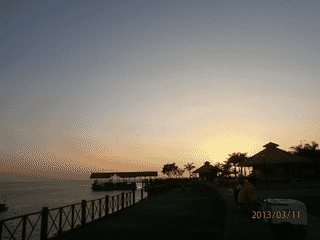
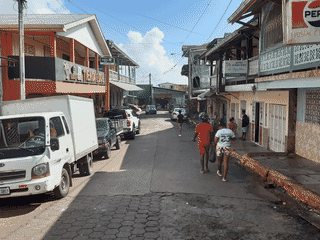
This Caribbean port brings together Afro-Caribbean, Miskito, Rama, Garifuna and mestizo cultures. Travelers often pass through on their way to the Corn Islands or coastal villages.
Culture · Transit Hub · Festivals
Did you know?
- A Moravian church near the docks reflects the region's missionary history.
- Rondon combines coconut milk, yuca and plantains with seafood or meat.
- Palo de Mayo brings music and dance rooted in English Creole heritage.
Why go?
Bluefields is the gateway to Nicaragua's Caribbean coast, a region distinct from the Spanish-influenced Pacific side. The city blends Afro-Caribbean, Miskito, Rama, Garifuna, and mestizo cultures with English Creole as the primary language. It's a rough-around-the-edges port town where basketball jerseys outnumber tourist shops, offering authentic cultural immersion rather than polished attractions. Most visitors use Bluefields as a transit point to Corn Islands or Mosquito Coast villages.
Getting there
La Costeña airline connects Bluefields to Managua (about US$80 each way) with continuing flights to Big Corn Island. Pangas (open motorboats) arrive from Pearl Lagoon daily and from San Juan del Norte weekly. The docks are central to town; arrive prepared for basic facilities and potential delays.
Get around
Bluefields is compact enough to explore on foot. Taxis are available for evening transport or reaching outer neighborhoods. Walking the main streets near the docks gives access to markets, restaurants, and services. The stadium and Cima Club area are within 10-15 minutes of the central docks.
When to go
Palo de Mayo festival dominates late May, a month-long celebration culminating in the third week with music, dance, and cultural displays reflecting the English Creole heritage. July brings heavy rainfall ideal for watching storms from the Cima Club balcony. The dry season (December-April) offers better conditions for beach trips to El Bluff or Laguna de Perlas. Baseball, basketball, and soccer dominate local sports culture year-round.
Where to stay
Budget options include Hotel El Dorado (next to Lobster Pot) with singles from C$140-200 without/with bath, though reviews describe dodgy beds and funky smells. Hotel Centra Quinto offers air-conditioned rooms at US$10 per night with clean showers and meal service, accepting credit cards. Mini hotel y Cafetin Central near Cima Club provides rooms with cable TV and private bathrooms. Hotel Casa Royale on Commercial Ave includes a pool and restaurant with Gulf views.
Food and drink
Local Caribbean cuisine dominates: Rondon is a coconut stew with yuca, plantains, and lobster, fish, beef, or chicken in coconut milk. Vigorón serves as a mid-morning snack with yuca, chicharones (fried pork skin), and cabbage salad. Frito is the evening meal of fried plantains with stewed chicken or pork. Order Camarones cocktail at Bella Vista restaurant on the water. Four Brothers bar operates Thursday-Sunday; Restaurante y club Flotante (3 blocks south of docks) offers loud music.
Things to do
Visit the Moravian Church one block north of the docks (the region is historically Moravian missionary territory). Take a panga to El Bluff, a village on an island 9 km away with a very long sand beach facing the Caribbean Sea; boats depart when 12 people gather, last return at 5:30PM. Head to Laguna de Perlas beach up north with morning pangas. The Museum of Caribbean History and Culture offers free admission (donations encouraged). Watch local sports at the stadium or enjoy a Tona Cerveza at Cima Club balcony while watching July rains.
Stay safe
Take taxis after 8PM, mandatory after 10PM, especially around Four Brothers area. Carry only necessary money and avoid displaying cameras or expensive items. Do not enter small alleys. When using pangas, wear a lifejacket. Use common sense precautions typical for Central American port cities. The area near the docks is generally safe during daytime.
Connectivity
Nicaraguan SIM cards (Claro, Movistar) work in Bluefields; purchasing at the airport or in Managua before arrival is recommended. WiFi availability is limited; most hotels and restaurants do not advertise free WiFi. Power outlets likely use standard US-style plugs (Type A/B) matching Nicaraguan convention. Charge devices at your accommodation since public WiFi spots are uncommon.
Go next
Little Corn Island is accessible by boat or plane from Bluefields—a major draw for travelers seeking Caribbean beaches. San Juan del Norte receives weekly boat service (schedule subject to change). Pearl Lagoon has daily panga departures, offering Mosquito Coast culture and lagoon communities. Big Corn Island has direct flights connecting to Bluefields. The Mosquito Coast region extends north with lodges and nature accessible via Pearl Lagoon or river transport.
Guide text adapted from Wikivoyage contributors under CC BY-SA 4.0.
Where to start
Sleep
Hotel Casa Royale
Pool, restaurant, views of the Gulf.
Sleep
Hotel Centra Quinto
air-conditioned and with reasonable showers, very clean and serves meals. Good beds. Accept credit cards.
Price when recorded: US$10 per night
Sleep
Hotel El Dorado
Very dodgy from the beds to the showers. Funky smell in the room. One night there is probably the maximum one can stand.
Price when recorded: Single without bath C$140, Single with bath C$200
Sleep
Mini hotel y Cafetin Central
Great rooms with cable TV and your own bathroom. Various breakfast in the restaurant downstairs.
Eat
Bella Vista restaurant
Order the Camarones cocktail at this waterfront restaurant with views of the bay.
Eat
Frito (evening meal)
Fried green plantains with stewed chicken or pork and cabbage salad—common evening meal.
Eat
Rondon (local dish)
Coconut stew with yuca, plantains, and lobster, fish, beef, or chicken—a Caribbean coast specialty.
Eat
Vigorón (street snack)
Mid-morning snack of yuca, chicharones (fried pork skin) or flores, and cabbage salad.
Before you go
Culture
English Creole is the primary language in Bluefields, with Spanish as second language and indigenous languages also spoken. The city is far more culturally distinct from rest of Nicaragua than typical.
Money
Córdoba (C$) is the local currency; US dollars widely accepted in hotels and tour operators. ATMs available near banks on Commercial Ave. Credit cards accepted at Hotel Centra Quinto and Hotel Casa Royale.
Safety
Take taxis after dark, avoid flashing valuables, skip small alleys. Wear lifejackets on pangas. Standard Central American city precautions apply.
Transport
Internal flights via La Costeña connect Bluefields to Managua and Corn Islands. Pangas are the primary boat transport to nearby islands and villages—confirm departure times locally as schedules change.
Weather
July brings heavy rainfall—ideal for watching storms from Cima Club balcony. Caribbean hurricane season runs June-November. Dry season December-April best for travel.