Overview
Managua concentrates much of Nicaragua's political and commercial life. The city is also a center for the country's culture and religious activity.
Culture · Transit Hub · Museums
Did you know?
- A silhouette of Sandino overlooks the volcanic crater lagoon at Tiscapa.
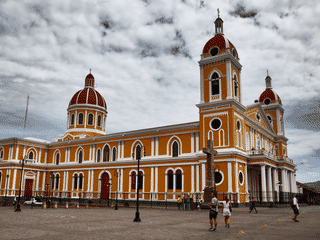
- The old cathedral remains a landmark of the earthquake-damaged historic center.
- Ancient human footprints are preserved in volcanic deposits at Acahualinca.
Why go?
Managua is Nicaragua's commercial, political, cultural and religious center, and home to nearly a quarter of the country's population. Despite lacking the colonial beauty of León or Granada, the capital offers worthwhile museums, historic ruins from the 1972 earthquake, monuments to Sandinista history, and a growing nightlife scene. Many visitors rush through, but those who linger find theaters, cultural centers, and a city slowly rebuilding itself through urban renewal policies. As the transportation hub of the country, you'll likely pass through anyway.
Get in
Managua's Augusto C. Sandino International Airport (MGA) serves international flights from Houston (United Airlines) and Fort Lauderdale (Spirit Airlines), plus connections via Mexico (AeroMexico). The airport sits near the Las Mercedes neighborhood and has been renamed multiple times based on political changes. For ground transport, Managua is the country's main bus hub with multiple stations including Terminal Israel Lewites, Mercado Roberto Huembes, and UCA bus station. Chicken buses connect to destinations throughout Nicaragua, while taxis offer faster but less predictable service.
Getting around
Managua's urban sprawl makes walking challenging, so most travelers rely on taxis or buses. Taxis are plentiful but rarely have meters—agree on a price before departing. Chicken buses (old school buses from the US) serve routes throughout the city and to nearby towns, using an honor system for payment. Rides cost a few córdobas locally. Driving in Managua is chaotic with minimal lane discipline and heavy congestion on major roads like Carretera Masaya. Renting a car is possible but not recommended for visitors unfamiliar with local driving customs.
When to go
Managua has two distinct seasons: dry season (roughly November to mid-May) with sunny skies and cooler nights, and rainy season (May to mid-November) with afternoon downpours and high humidity. The transition in May can be uncomfortably hot and humid before rains arrive. December through February are the most popular months for tourists, coinciding with holidays and festivals. Avoid late April and early May when heat and humidity peak before the rains break. The climate table shows minimal temperature variation year-round (30-34°C daily highs), with rainfall concentrated between May and November, peaking in October at 280mm.
Where to stay
Budget travelers have several options centered in neighborhoods like Colonial Los Robles, Altamira, and near Carretera Masaya. The cheapest options include Casa De Huespedes Santos (US$10 per person) and Airbnb Oli&Rey (US$11 for one person). Hostels like La Bicicleta Hostal ($15 with free breakfast) and Managua Backpackers Inn (dorms from US$16/night) offer social atmospheres with pools and kitchens. Mid-range options include Hotel Yolaina (US$35-50/night with pool and breakfast) and Hotel Mozonte (dorms from US$17.50). Upscale properties like Crowne Plaza (US$90-120/night) and InterContinental Metrocentro (US$150-600/night) cater to business travelers with lakeside views and full amenities.
Food and drink
Managua's food scene ranges from street vendors to upscale restaurants. For breakfast, try Leche Agria—a homemade yogurt-like drink sold at storefronts, eaten with tortilla and a sprinkle of salt. Casa del Cafe has four locations for good local coffee and breakfast. La Cueva del Buzo serves fresh seafood caught daily. Local cuisine shines at La Cocina de Doña Haydée (three locations including Metrocentro food court) and Asados El Gueguense for grilled meat dishes. Zona Rosa and Zona Hippos neighborhoods offer the best nightlife dining with restaurants like La Casa del Baho, Tercer Ojo (upscale fusion), and various bars. Woody's serves good wings in Zona Hippos.
Things to do
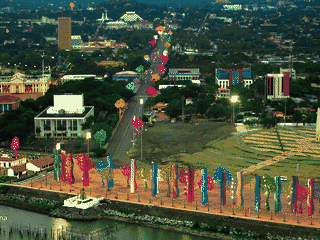
Parque Loma de Tiscapa offers the city's best views—enter near Hotel Crowne Plaza for C$1 (foreigners on foot). The hilltop platform includes the iconic silhouette of Augusto C. Sandino and military memorials, with interpretive signs about Nicaragua's revolutionary history. The Museum National Palace of the Culture (US$5 admission) showcases indigenous Nahuatl exhibits and 2,500-year-old stone sculptures. The Museum of Ancient Footprints of Acahualinca (US$4, M-F 08:00-17:00) displays 6,000-year-old human tracks found beneath the surface. The New Cathedral near Rotonda Rubén Darío, designed by Ricardo Legorreta with 63 mosque-like domes, is free to visit. Puerto Salvador Allende (US$5, 11:00-23:00) offers lakefront dining with views of Lake Xolotlán.
Safety
Nicaragua has been ranked among Latin America's top 5 safest countries by the Vision of Humanity project, though crime has increased slightly since 2008. Remain alert at all times in Managua—certain neighborhoods are no-go even for locals. Mercado Oriental has a dangerous reputation with pickpocketing, grab-and-run theft, and occasional armed robberies; go with someone trusted and leave valuables behind. The area between MetroCentro and the BAC building has seen muggings. The Tica Bus Station area is considered unsafe by police. ATMs can be tampered with—use machines in well-frequented areas and monitor bank statements. When using taxis, ensure they're legitimate. Travel in groups after dark and stick to established tourist areas.
Connectivity
Most hostels and hotels offer free WiFi, with Managua Backpackers Inn and La Bicicleta Hostal explicitly mentioning wireless internet. Larger hotels like InterContinental Metrocentro provide high-speed internet. SIM cards from local providers are available for purchase. Power plugs follow the US standard (two flat prongs) with 120V, though some older establishments may have non-grounded outlets. Internet cafes are rare in modern Managua, though the Art Hotel Managua mentions computers in the lobby for free guest use.
Budget
A backpacker in Managua can expect to spend US$20-35 per day on a tight budget: dorm beds US$10-16, street food or local restaurants US$5-10 per meal, local buses US$0.50-2, and attractions US$4-10. Mid-range travelers should budget US$40-60/day for private rooms, better meals, taxis, and more activities. The córdoba (C$) is the local currency—exchange rates hover around 36-37 C$ per US$1. ATMs dispense córdobas and are widely available at banks, though some machines may be tampered with. Credit cards are accepted at larger hotels and restaurants but cash is essential for markets and street food.
Day trips
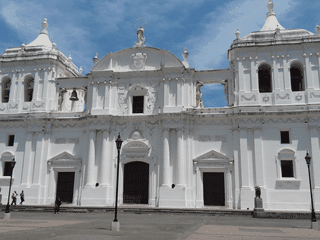
Managua serves as a base for day trips to several compelling destinations. Granada (1.5-2 hours south) is the oldest colonial city in the Americas with colorful buildings and volcano views. León (1.5 hours northwest) offers the largest cathedral, excellent museums, and volcano boarding at Cerro Negro. Masaya (30 minutes southeast) is famous for artisan markets and the active Volcán Masaya. The Pueblos Blancos cluster of indigenous villages above Masaya includes San Juan de Oriente with its pottery workshops. Laguna de Apoyo is a crystal-clear crater lagoon 30 minutes from the city. Pacific beaches like San Juan del Sur (2 hours south) offer surfing and swimming. The Northern Highlands and Estelí provide mountain scenery and cooler climates.
Go next
From Managua, buses depart regularly to León (1.5 hours, US$1-2) and Granada (1.5-2 hours, US$1-2), both colonial cities worth 1-2 nights each. Masaya (30 minutes, US$0.50) is an easy half-day trip for handicrafts. For beaches, head south to San Juan del Sur (2 hours) or further to Popoyo for surfing. The northern highlands offer cooler mountain towns like Estelí (3 hours). Ometepe island requires a bus to San Jorge plus ferry (4+ hours total). The Caribbean coast (Bluefields, Corn Islands) requires flights from Managua. International connections include flights to San José, Costa Rica (1 hour) and onward connections to Panama and beyond.
Guide text adapted from Wikivoyage contributors under CC BY-SA 4.0.
Where to start
Sleep
Airbnb Oli&Rey
The cheapest option bookable online in 2024, and probably the best value in its price range. Rooms are very hot 24 hours, but otherwise quite good, and good fans are provided. Rooms are listed on Airbnb as "hosted by Reyna", or contact directly by Whatsapp.
Price when recorded: US$11 for one person
Sleep
Art Hotel Managua
A king bed, internet, cable TV, air conditioning, and access to the pool. Computers are in the lobby for free use. Beverages and snacks are available 24 hours a day. Full breakfast is included -- always cooked fresh for each guest. Lunch and dinners are available for an extra charge.
Price when recorded: C$29
Sleep
Best Western Las Mercedes
Nice rooms with A/C in a spacious garden environment. Two swimming pools. Nice breakfast buffet included.
Price when recorded: US$110
Sleep
Casa De Huespedes Santos
is the most renowned budget place in town—or at least the cheapest. This place might be handy for backpackers. Don't expect too much from the DIY plumbing and electrical wiring, but you will get your own bathroom/shower.
Price when recorded: US$10 per person
Sleep
Casa de Angeles Hotel
Verandahs, grills, and rocking chairs give this lime-green tinted accommodation some character. Complimentary breakfasts.
Price when recorded: $25/night
Eat
Asados El Gueguense
great local cuisine. Large selection of local meat dishes.
Eat
Casa del Cafe
Good coffee and breakfast at four locations including one at the airport after security.
Eat
El Rincon Salvadoreno
fantastic Salvadorian pupusas and fruit juices in a pleasant outdoor area
Before you go
Culture
Nicaragua's capital is the cultural center of the country. Nearly all media, new trends, and political activity originate here. Spanish is essential for deeper engagement.
Language
Spanish is the official language. English is limited outside tourist areas and upscale establishments. Learning basic Spanish greatly enhances the experience.
Money
The córdoba (C$) is the local currency. ATMs dispense córdobas at banks throughout the city. Credit cards accepted at major hotels and restaurants but cash essential for markets and local vendors.
Safety
Managua is relatively safe but remain alert. Avoid Mercado Oriental alone, keep valuables hidden, use registered taxis, and stay in well-lit tourist areas after dark.
Transport
Taxis are plentiful but negotiate prices. Chicken buses serve routes cheaply with honor-system payment. Managua is the main transportation hub with buses to all major destinations.
Weather
Dry season (Nov-May) is most pleasant for sightseeing. Rainy season brings afternoon downpours and high humidity. May can be uncomfortably hot before rains begin.