Little Corn Island
Mexico, Central America and the Caribbean · Nicaragua
Did you know?
- Flor de Caña rum appears alongside beer at guesthouses and restaurants.
- There are no roads or motorized vehicles on the island.
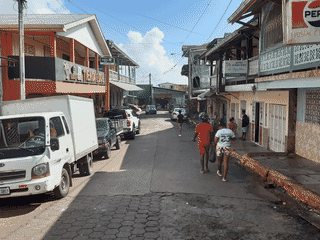
- A paved sidewalk near the western pier gives way to dirt paths through the interior.
See also

Bluefields
Nicaragua12.00°N 83.75°W · 25 m
Tortuguero
Costa Rica10.58°N 83.52°W
Overview
This walkable island has no roads or motorized vehicles. A paved west-coast sidewalk gives way to narrow dirt paths through the leafy interior.
Languages: Spanish
Why Go?
Little Corn Island is a tiny, car-free speck of paradise in the Caribbean Sea off Nicaragua's coast. Tourism remains in its infancy here—small, basic, and fairly eco-friendly, with guesthouses running on solar and wind power and drawing drinking water from private wells. Travelers consistently report that this 'little' island surpasses its 'big' sibling: cleaner, more beautiful, more natural, with better amenities and diving. The island's English-speaking Caribbean culture, friendly laid-back locals, and complete absence of motorized vehicles create an atmosphere unlike anywhere else in Central America.
Adapted from Wikivoyage contributors · CC BY-SA 4.0
Understand
First inhabited by Native Americans—Garifino or Miskito peoples—the island was colonized by the British, and most native islanders share more cultural commonality with other English-speaking Caribbean islands than with mainland Nicaragua. Many residents have English surnames. The island runs on nearly constant easterly breezes, keeping the eastern and northern sides cool while the western side near the port swelters. This wind also helps keep mosquitoes and sandflies to a minimum. Some accommodations rely on solar and wind power for electricity, and many have their own wells drawing drinkable water or collecting rainwater.
Adapted from Wikivoyage contributors · CC BY-SA 4.0
Get In
Almost everyone reaches Little Corn Island via the twice-daily panga (ferry) departing Big Corn Island at 10:00 and 16:30, returning from Little Corn at 06:30 and 13:30. The crossing takes 30-45 minutes and can get rough—the back of the boat is less rough while the front stays drier. Panga fare is C$130. Consider going directly to Little Corn upon arrival rather than spending days on Big Corn first; most visitors wish they'd done so. Reconfirm your return flight from Big Corn 24 hours in advance at dive shops, Dolphin Hotels internet cafe, or Farm Peace and Love's internet cafe on the North end.
Adapted from Wikivoyage contributors · CC BY-SA 4.0
Get Around
The island is entirely walkable—there are no motorized vehicles and no roads. A paved sidewalk runs along the west coast near the pier, but beyond that you're hiking narrow dirt paths through jungle-like interior. You can walk the island's length in under an hour, though paths get muddy quickly during rain. The east side can be walked along the beach except at a couple of tricky high-tide spots. Bicycles are available—ask at your guesthouse. Always wear flip flops minimum on 'city' walkways; keep an eye out for broken glass if going barefoot. Water shoes are recommended due to coral that can cut feet or legs while swimming. Great for morning and evening jogging.
Adapted from Wikivoyage contributors · CC BY-SA 4.0
See
The main attraction is the deep blue Caribbean sea, but specific sights include a rundown lighthouse on the northwestern part of the island, next to a cell phone tower that dwarfs it—the lighthouse is climbable and offers awesome views of the whole island, though take care on the ladder. Two tiny, uninteresting churches and a couple of sunken boats offshore offer additional exploration. A football (soccer) field sits in the island's center with occasional impromptu matches, and a newly renovated baseball field further north hosts local series featuring a great mix of islanders, ex-pats, and tourists.
Adapted from Wikivoyage contributors · CC BY-SA 4.0
Do
Diving is the premier activity on Little Corn Island. Las Palmeras Dive Center operates daily 08:00-17:30 just south of the dock, while Dolphin Dive at Hotel Delfines south of the dock offers PADI courses up through dive master, employs locals, and keeps profits on the island. Both are well-run operations. The island's beaches—particularly Cocal Beach on the Breezy Side—offer excellent swimming and snorkeling. Fishing and snorkeling trips, as well as sunset rides, are available through Grace's Cool Spot. The Turned Turtle Bar at Little Corn Beach and Bungalow hosts bonfire parties twice weekly.
Adapted from Wikivoyage contributors · CC BY-SA 4.0
Eat
Dining options range from beachside stands to gourmet farm-to-table experiences. Little Corn Island Beach & Bungalow's Turned Turtle Restaurant serves bistro-style food with island flair—breakfasts from US$2.99, lunches from $4.90, snacks from $2, and four-course dinners from $9, with vegetarian options. Tranquilo Cafe offers American-style bistro fare including cheeseburgers, fish tacos, chicken sandwiches, quesadillas, nightly specials like mac & cheese and fish & chips, plus homemade cookies and brownies at prices from US$2-8.50. Cool Spot serves simple but tasty meals with mains at C$75-135. Farm Peace & Love, run by Italian chef Paola, offers superb Italian fare with 3-course dinners at US$15/person—reservations required 24 hours in advance. Habana Libre serves chicken and pork dishes with mains from C$100 but opens only randomly.
Adapted from Wikivoyage contributors · CC BY-SA 4.0
Drink
Beer and Flor de Caña rum are available at most guesthouses and restaurants. Tranquilo Cafe has the island's largest cocktail menu, Guinness on tap, fresh brewed Nicaraguan coffees, fruit 'frescos', smoothies, and happy hour specials from 17:00-19:00. The Turned Turtle Bar at Little Corn Beach and Bungalow serves 'island famous' margaritas, homemade Pina Coladas, and 'Jeff's Mudhole' (island version of a mudslide), plus homemade corn chips with salsa and guacamole. Derek's Place Bed and Breakfast offers family-style meals including brick oven pizza, coconut bread, and fruit dishes, often with bonfires and hammocks on the beach.
Adapted from Wikivoyage contributors · CC BY-SA 4.0
Where to Stay
Accommodation ranges from basic $5 huts to upscale $59+ beachfront bungalows. Budget options include Elsa's Place (from US$5) with simple beach huts and kitchen access, Three Brothers Guesthouse ($10-15 for various room types, 120m from port) with kitchen and hammocks, and Carlito's/Sunrise Paradise (US$8-15, beachfront huts from US$35). Mid-range includes Lobster Inn (from US$20 with private bath and fan), Hotel Los Delfines (US$40-60 for single/double/triple with air conditioning and TV), and Grace's/Cool Spot (US$15-50). Upscale eco-lodge Little Corn Island Beach and Bungalow offers immaculate en-suite bungalows from US$59 with hot showers, free WiFi, and recycling practices. Remote options like Derek's Place (US$35-40, 20-minute jungle walk or boat pickup) and Ensueños (from US$25, 20-30 minute walk north) offer gourmet on-request meals.
Adapted from Wikivoyage contributors · CC BY-SA 4.0
Stay Safe
The island is relatively safe and violent incidents are rare, though they have happened in the past. Carry a flashlight if you won't be back before dark—getting lost in the jungle wouldn't be pleasant. Many dogs run around the island; they're usually friendly but keep your eye on them. The island has no medical facilities, so bring any necessary medications and a well-stocked first aid kit. Water from some wells is drinkable but bring purification tablets as backup.
Adapted from Wikivoyage contributors · CC BY-SA 4.0
Connectivity
Internet access is limited but improving. Little Corn Beach and Bungalow on Cocal Beach offers satellite WiFi for guests with their own devices. Tranquilo Cafe provides free WiFi and has a house laptop for customer use. Dolphin Hotels and Farm Peace and Love internet cafes serve the North end of the island. For flight reconfirmation, Tranquilo Cafe lets you use their cell phone or WiFi for WhatsApp or Viber calls. Mobile coverage exists via the cell tower near the lighthouse.
Adapted from Wikivoyage contributors · CC BY-SA 4.0
Go Next
The obvious next destination is Big Corn Island, reachable by the twice-daily panga (30-45 minutes, C$130). Big Corn is larger, has an airport with flights to Managua, and offers more amenities and nightlife. From Managua, travelers can explore mainland Nicaragua including colonial Granada, volcanic Masaya, or the surfer haven of San Juan del Sur.
Adapted from Wikivoyage contributors · CC BY-SA 4.0
Field guide adapted from Wikivoyage contributors · CC BY-SA 4.0. Text has been adapted and organized for this guide. About our sources.
Places to know
A few starting points from the guide. Check current hours and prices before you go.
- sleep
Carlito's / Sunrise Paradise
Particularly noteworthy are the three beachfront huts. Their huts are on stilts which may help distance you from critters. US$35 for the beach front cabins.
Recorded price: US$8-15
Adapted from Wikivoyage contributors
- sleep
Derek's Place
Probably the most desirable spot on the island to many, they've got 4 beautiful huts made creatively from natural materials strewn across a bright green grassy lawn overlooking the sea. Derek and Anna are both quite interesting, and serve up 3 meals on request. There are 3 huts with double beds, and 1 larger hut with 2 double beds and glass bottle walls, all with comfortable mattresses. It´s about a 20-minute walk through the jungle to get here from the port, or if you've made a reservation you can request Derek to pick you up from the port in his boat.
Recorded price: US$35-40
Adapted from Wikivoyage contributors
- sleep
Elsa's Place
Sweet old Elsa runs this old cheapie, and her restaurant turns out a tasty fried fish. Simple huts on the beach, and use of her kitchen which is well-stocked and may have the only sharp knives you'll find at a hostel in your travels.
Recorded price: From US$5
Adapted from Wikivoyage contributors
- sleep
Ensueños
Along the north of island, this place, run by the friendy Ramon, is fairly remote and popular with long-term travelers. Huts are decent and unusual, and everything is set further back from the beach than most, under the palm trees. There´s a restaurant on site which serves surprisingly gourmet meals (Andrea, the chef, is amazing) on request.
Recorded price: From US$25
Adapted from Wikivoyage contributors
- sleep
Grace's / Cool Spot
Cabanas are a bit cozy but every room offers a hammock on the porch. The water is just a coconut's throw from the hotel. Restaurant offers a good selection of food ranging from local to more western dishes. Graces Cool Spot offers fishing and snorkeling trips, as well as sunset rides when the weather permits. There is a bonfire weekly and they regularly cook up a big pot of the island's favorite dish, rundown. Rooms vary from double room with shared bath to a cabana with 2 double beds with a private bath and kitchen. This is a fun place to stay on the island.
Recorded price: US$15-50
Adapted from Wikivoyage contributors
- sleep
Hotel Los Delfines
Rooms are air-conditioned, have television and their own bathrooms. Probably the most "modern" of the hotels on the island. They have their own restaurant, which serves up the typical, but better than average Nica meals. Mastercard and Visa are accepted. This hotel is connected to Dolphin Dive and is a good option for those coming to take courses of just do boat trips.
Recorded price: US$40/50/60 for single/double/triple
Adapted from Wikivoyage contributors
- sleep
Little Corn Island Beach and Bungalow
On Cocal Beach. 8 of 12 cabins are only steps from the water. This eco-friendly lodge is only place on Little Corn island that recycles rainwater for in bungalow use. Immaculate en-suite bathrooms (with hot water showers) include towels, toiletries and beach towels. Clean, high quality sheets, quality beds, comfy "My Pillow" pillows, in room fans (some with ceiling fans), rechargeable power keeps fans on in the nicest cabins, free wi-fi (for guests with own device), French doors and 14-foot verandas open on to beautifully landscaped grounds and the azure blue Caribbean. Four bungalows are Master Suite Gullivers with King size bed, refrigerator, sitting area and larger verandas are steps from the beach. Two new jungle Master Suite Gulliver cabins are the nicest available at the resort and in private garden setting, yet only a 1 minute walk to the beach. Accept MasterCard and Visa (hotel guests only and a hefty convenience fee applies), have recycle bins (owners volutarily ship at their cost all non-recyclable waste that can not be properly disposed of to the mainland for more appropriate disposal) and are very active in "eco friendly" practices in regard to their impact on the island.
Recorded price: Bungalows, US$59 and up
Adapted from Wikivoyage contributors
- sleep
Lobster Inn
Recorded price: Rooms with private bath and fan, from US$20
Adapted from Wikivoyage contributors
Before you go
Connectivity
Limited WiFi at select cafes and resorts. Satellite WiFi at Little Corn Beach and Bungalow. No reliable mobile data. Download offline maps and content before arriving.
Language
English is first language for most native islanders with Caribbean dialect. Spanish also widely spoken. Miskito and other Caribbean languages/dialects also present.
Money
US dollars widely accepted at hotels and dive shops; Cordobas (C$) used at local restaurants and panga. Some places accept credit cards with fees. ATMs absent—bring cash.
Packing
Bring flip flops minimum for walking, water shoes for coral protection, flashlight, bug spray, sunscreen, and any medications needed. No sharp knives available—bring if cooking.
Safety
Generally very safe island. Carry flashlight after dark. Watch for stray dogs. No medical facilities on island—closest is on Big Corn or mainland.
Transport
No vehicles on island—everything is walking distance. Panga ferry runs twice daily between islands (C$130, 30-45 min). Schedules change frequently; reconfirm locally.
Weather
Easterly breezes keep eastern/northern sides cool. Western side near port is hottest. Best visited during dry season (December-April). Rainy season brings muddy paths.