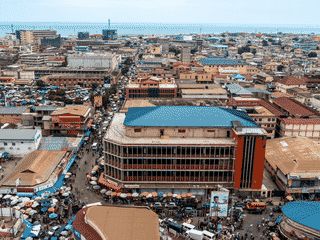

Accra
Ghana5.55°N 0.22°W · 61 m
17 places in the index.
5.55°N 0.22°W · 61 m
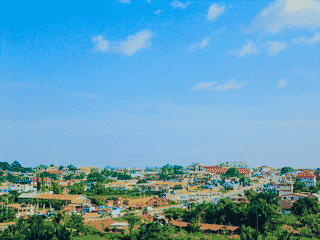
6.67°N 1.62°W · 300 m
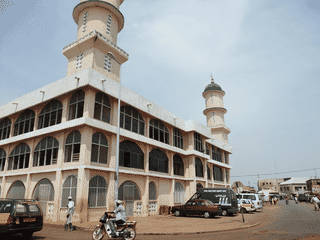
9.41°N 0.85°W · 151 m
Accra is the capital of Ghana, a city of contrasts: 19th-century colonial buildings stand alongside modern skyscrapers and dusty shanty towns. It's a hub for history, culture, and nightlife, with lively markets, beaches, and a growing arts scene.
Adanwomase is a living museum of Ghana's most prestigious textile art: Kente weaving. This town of 5,000 people in the Ashanti-Kwahu region has maintained the centuries-old tradition of weaving Kente cloth for the Ashanti King, royals, and discerning buyers.
Atlas entry
Apam is a small, pleasant fishing town on Ghana's Central Coast, best known for Fort Patience (Fort Lijdzaamheid), a Dutch-built fort completed in 1702 that dominates the rocky peninsula overlooking the fishing harbour. The town offers an authentic Ghanaian coastal experience with a colourful fish market, calm beaches on one side and stronger waves on the other, and is part of the UNESCO World Heritage "Forts and Castles" site.
Atlas entry
Bolgatanga is the capital of the Upper East Region and northern Ghana's crafts centre, famous for straw baskets ( Bolga baskets), leather works, and the distinctive Bolga hats. The surrounding traditional villages feature round thatched-roof huts painted with decorative motifs in striking colors, offering a cultural landscape unlike anywhere else in Ghana.
Atlas entry
Busua is a small seaside city on Ghana's Coastal Plain, often praised as having one of the country's best beaches. The town offers a relaxed atmosphere, excellent local food including street vendors and restaurants, affordable accommodation options, and access to historic Dutch and British forts in nearby villages.
Atlas entry
Cape Coast is a historic coastal city in Ghana's Central Region, best known for its UNESCO World Heritage-listed slave forts and castles that chronicle one of history's darkest chapters. The city offers a more laid-back atmosphere than Accra, with beautiful palm-fringed beaches, a compact old town centered on Commercial Road, and access to nearby Elmina—home to West Africa's oldest European slave fort.
Atlas entry
Elmina is one of Ghana's most historically significant towns, home to the Elmina Castle — the oldest European structure in Africa, built in 1482 by the Portuguese. The town offers a powerful, often emotional journey through the transatlantic slave trade, making it essential for anyone exploring West African heritage.
Atlas entry
Kakum is Ghana's most accessible rainforest experience, home to the famous canopy walkway suspended 40 metres above the forest floor. The park preserves the best virgin rainforest in the country on the Ghanaian Coastal Plain, making it ideal for nature lovers, birdwatchers, and adventure travelers wanting to experience West African jungle without difficult logistics.
Atlas entry
Koforidua is one of Ghana's calmest and coolest cities, sitting in the Eastern Region highlands as a commercial hub with 127,000 residents. The city serves as a base for visiting dramatic waterfalls like Akaa and Boti Falls, the sacred Obuo Tabri Mountain, and the quirky Umbrella Rock.
Atlas entry
Kokrobite is a beach on the Ghanaian Coastal Plain, geographically close to Accra (25km) but feels worlds away from the capital's hustle. It's ideal for a few days of relaxation, soaking in tropical beach views and watching colorful fishing boats bring in their fresh catch.
Atlas entry
Kumasi is Ghana's cultural capital, the seat of the Ashanti King (Otumfuo Osei Tutu II) and the spiritual heart of Asante heritage. The city draws travelers to Kejetia Market—the largest in West Africa—where you can buy Kente fabric, glass beads, batik, and sample street food.
Mole National Park is Ghana's largest and most frequently visited national park, offering the country's widest range of wildlife including elephants, antelope, bushbucks, monkeys, warthogs, and baboons. The park is reasonably well set up for tourists with accommodation ranging from budget hostel-style rooms to luxury chalets, plus a swimming pool and viewing platform overlooking a watering hole.
Atlas entry
Nalerigu is the traditional capital of the Mamprusi people and the seat of the Paramount Chief, the NaYiri. This town of approximately 15,000 people offers a window into traditional Ghanaian northern culture with its royal palace and historic defensive walls.
Atlas entry
Sunyani serves as the regional capital of Ghana's Bono region. The city is known for its orderly layout designed by thoughtful town planners, making navigation straightforward for visitors.
Atlas entry
Tamale is Ghana's third most populous city and the capital of Northern Ghana, offering a more authentic and less touristy experience than Accra or Kumasi. The city has been voted three consecutive times by the Ghana Tourist Board as the cleanest city in Ghana and features excellent road networking.
Wa is the capital of Ghana's Upper West Region and the cultural heartland of the Wala people—a predominantly Muslim community where the Wa-Na (Paramount Chief) holds traditional authority. The city offers a rare glimpse of Sahel-style mud architecture, bustling markets, and access to a hippopotamus sanctuary, all without the tourist infrastructure of Ghana's southern cities.
Atlas entry
Walewale is a small trading town in Ghana's Northern Plains, primarily useful as a transit junction between Bolgatanga to the north, Tamale to the south, and Nalerigu to the west. Founded by the Mamprusis, the town offers a glimpse of northern Ghanaian daily life with its Friday market and a distinctive mosque with Moorish architecture.
Atlas entry
In development: the whole atlas offline, a trip planner and a private journal. We'll post here when it ships. No newsletter to join.
.jpg)
