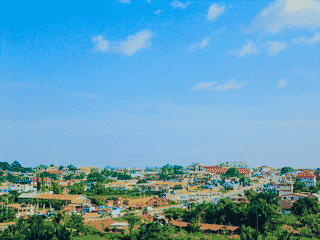
.jpg)
Kumasi
Africa · Ghana
See also
Overview
Kumasi is Ghana's cultural capital, the seat of the Ashanti King (Otumfuo Osei Tutu II) and the spiritual heart of Asante heritage. The city draws travelers to Kejetia Market—the largest in West Africa—where you can buy Kente fabric, glass beads, batik, and sample street food.
Languages: English
Why Go
Kumasi is Ghana's cultural capital, the seat of the Ashanti King (Otumfuo Osei Tutu II) and the spiritual heart of Asante heritage. The city draws travelers to Kejetia Market—the largest in West Africa—where you can buy Kente fabric, glass beads, batik, and sample street food. Unlike coastal Accra, Kumasi offers deeper immersion into Ghanaian traditions through palaces, museums, and the legendary Okomfo Anokye Sword site.
Adapted from Wikivoyage contributors · CC BY-SA 4.0
Understand
Kumasi was founded by King Osei Tutu I around 1680 with guidance from priest Okomfo Anokye, becoming the capital of the powerful Ashanti Empire. The British destroyed much of the pre-colonial city in late 19th-century wars, but the Asante cultural institutions survived. Today the urban area has over 3.4 million residents (2021), with Akan Twi as the predominant language. The Ashanti King still presides over traditional courts used by many residents alongside the official judicial system.
Adapted from Wikivoyage contributors · CC BY-SA 4.0
Getting In
Kumasi is accessible by road from Accra (about 5 hours by bus) and other Ghanaian cities. Local buses ply predetermined routes, while charter or hire taxis offer more direct transport. The city has a good road network connecting it to the rest of the Ashanti region and beyond.
Adapted from Wikivoyage contributors · CC BY-SA 4.0
Getting Around
The main tro-tro station sits in the city centre near Kejetia Market, offering the widest range of destinations. The disadvantage is chaotic crowds and frequent traffic jams exiting the city. Ask tro-tro mates or ticket sellers if you cannot find your destination—routes are posted on signs above the bus station. An alternative is catching tro-tros from the ring road to avoid downtown traffic.
Adapted from Wikivoyage contributors · CC BY-SA 4.0
When To Go
Kumasi has a tropical climate with average temperatures ranging from 21-34°C year-round. The driest period is December through February, making these months most comfortable for sightseeing. The wet season (May-June and September-October) brings heavier rainfall but also lusher landscapes for day trips. The Adae Kese festival celebrating the Ashanti King draws visitors seeking cultural immersion.
Adapted from Wikivoyage contributors · CC BY-SA 4.0
Where To Stay
Budget travelers favor TUMI Hostel at Four Junction (from $12/night including breakfast; dinner $6 extra), which funds women's empowerment programs. Mid-range options include Mikaddo City Inn near Kejetia Market ($37/night with wifi, breakfast, a/c) and Vienna City Kumasi near Rattray Park ($43/night). The Lancaster Kumasi City offers full amenities including pool, gym, and airport shuttle for ~$110/night.
Adapted from Wikivoyage contributors · CC BY-SA 4.0
Food And Drink
Local chop bars offer authentic Ghanaian cuisine at low prices. Maame Serwaa Chop Bar serves fufu with fish soup eaten by hand in a quiet alfresco setting popular with locals. Mukyia Delight Cafe and African Pot and Grill provide reliable local dishes. For international fare, Noble House Hotel serves Indian and Chinese food (GH₵30-40 per curry and rice), while Vic Baboo's on Prempeh II Road offers Indian, Chinese, and continental dishes alongside excellent lassis and milkshakes in a backpacker-friendly atmosphere.
Adapted from Wikivoyage contributors · CC BY-SA 4.0
Things To Do
Visit the Manhyia Palace Museum (built 1925, open daily 09:00-17:00) to learn about Asante kings and see royal artifacts. The Okomfo Anokye Sword Site marks the legendary 1701 foundation of the Ashanti Empire where a supposedly immovable sword remains embedded. Lake Bosumtwi, Ghana's only natural lake (35km southwest, created by meteor impact), offers lush hiking opportunities around its 8km diameter crater. Owabi Wildlife Sanctuary (30-45 minutes northwest) houses 161 bird species, antelope, and monkeys at GH₵6 entry with guided walks available.
Adapted from Wikivoyage contributors · CC BY-SA 4.0
Buy
Kejetia Market is the premier shopping destination—the largest market in West Africa with sections for clothes, fabrics, home goods, and hot meals. The new enclosed market centre follows grid patterns, while surrounding streets remain more chaotic but potentially more rewarding. For authentic crafts, Ntonso Adinkra Village (M-Sa 06:00-17:00) offers adrinkra clothing and Kente cloth with workshop tours. Look for traditional Ashanti sandals and glass beads throughout the market.
Adapted from Wikivoyage contributors · CC BY-SA 4.0
Stay Safe
Kumasi is generally safer than larger West African capitals, but take standard precautions. Use hotel-safe guides when visiting sensitive areas. Be particularly mindful of pickpockets in and around Kejetia Market, where crowds create opportunity for thieves. Avoid flashing valuable electronics and keep valuables secure in crowded market areas.
Adapted from Wikivoyage contributors · CC BY-SA 4.0
Go Next
Day trips from Kumasi include Lake Bosumtwi (35km southwest, about 1 hour by road) for hiking around Ghana's only natural meteorite lake. Owabi Wildlife Sanctuary (30-45 minutes northwest) provides birdwatching and wildlife viewing. The Ashanti-Kwahu region offers additional cultural sites and the famous Kwahu Easter rocks that attract paragliders annually. Accra lies about 5 hours north by bus.
Adapted from Wikivoyage contributors · CC BY-SA 4.0
Field guide adapted from Wikivoyage contributors · CC BY-SA 4.0. Text has been adapted and organized for this guide. About our sources.
Places to know
A few starting points from the guide. Check current hours and prices before you go.
- sleep
Four Villages Inn
Adapted from Wikivoyage contributors
- sleep
Lancaster Kumasi City
Full amenities: Wi-Fi, a/c, pool, bar, restaurant, buffet breakfast, gym, room service, airport shuttle, security cameras, conference room, tennis courts. Pool and grounds and dining room are very nice.
Recorded price: ~US$110
Adapted from Wikivoyage contributors
- sleep
Mikaddo City Inn
Contemporary lodging with wifi, laundry, breakfast, a/c, parking in the craziness of Kumasi centre.
Recorded price: ~US$37
Adapted from Wikivoyage contributors
- sleep
Royal Lamerta Hotel
Adapted from Wikivoyage contributors
- sleep
TUMI Hostel
An atmospheric, well-furnished, hostel, where you can usually meet many other travellers. The price includes breakfast, and dinner is another $6. The hostel funds the TUMI Foundation for women's empowerment; clothes and accessories can be bought on location.
Recorded price: $12
Adapted from Wikivoyage contributors
- sleep
Vienna City Kumasi
Sort of outlying hotel location with laundry, restaurant, pub (smoky), casino, billiards, Wi-Fi. Gated.
Recorded price: US$43
Adapted from Wikivoyage contributors
- eat
African Pot and Grill
Local Ghanaian cuisine restaurant.
Adapted from Wikivoyage contributors
- eat
Friends Gardens
Tasty local African dishes.
Adapted from Wikivoyage contributors
Before you go
Culture
Kumasi is the cultural heartland of the Ashanti people. The current king (Otumfuo Osei Tutu II) still holds significant traditional authority. Dress modestly when visiting palaces and religious sites.
Language
Akan Twi is the predominant local language. English is widely understood in tourist areas and hotels. Basic Twi phrases will be appreciated.
Money
Ghanaian Cedi (GH₵) is the local currency. ATMs available but carry some cash for markets and local chop bars. Credit cards accepted at major hotels.
Safety
Standard urban precautions apply. Use hotel-recommended guides. Watch for pickpockets at Kejetia Market. Avoid crowded areas with valuables visible.
Transport
Tro-tros (shared minibuses) are the main budget transport within Kumasi and to nearby destinations. Main station near Kejetia Market; alternatively catch tro-tros from ring road to avoid downtown traffic.