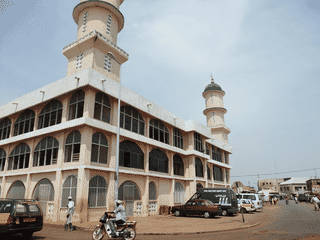

Tamale
Africa · Ghana
See also
Overview
Tamale is Ghana's third most populous city and the capital of Northern Ghana, offering a more authentic and less touristy experience than Accra or Kumasi. The city has been voted three consecutive times by the Ghana Tourist Board as the cleanest city in Ghana and features excellent road networking.
Languages: English
Why go?
Tamale is Ghana's third most populous city and the capital of Northern Ghana, offering a more authentic and less touristy experience than Accra or Kumasi. The city has been voted three consecutive times by the Ghana Tourist Board as the cleanest city in Ghana and features excellent road networking. Its convenient location makes it an ideal base for visiting Mole National Park, Tongo Hills, Paga Crocodile Pond, and the Larabanga Mosque. The city blends traditional mud houses with modern buildings, international airport, and multinational offices, giving visitors a glimpse of northern Ghanaian culture and Islamic heritage.
Adapted from Wikivoyage contributors · CC BY-SA 4.0
When to go
Tamale has a tropical climate with two distinct seasons. The dry season runs from October to April, with temperatures ranging from 19-38°C, and the wet season from May to September, bringing 100-200mm of monthly rainfall. The Harmattan winds from December to February bring dusty conditions. The best time to visit is during the dry season for wildlife viewing at Mole National Park. Avoid traveling during heavy rainfall months when some roads become impassable.
Adapted from Wikivoyage contributors · CC BY-SA 4.0
Getting in
Public buses from Accra or Kumasi take approximately 11 hours and depart around 8AM, offering a safer and cheaper option than private buses. The journey from Accra is particularly long, so plan for a bathroom stop at the lunch break. Fly540Africa operates direct flights between Accra and Tamale Airport. Private car transport from medium-sized towns costs approximately GH₵30 per day. Taxis and shared transport are available from surrounding towns.
Adapted from Wikivoyage contributors · CC BY-SA 4.0
Getting around
Yellow-yellows (motorised cycle rickshaws) are the primary mode of transport and can take you anywhere in Tamale for GH₵6 or less for a shared ride. Always confirm the price before boarding and specify you want a shared ride to avoid inflated fares. Red-and-yellow branded taxis are also available. Because of the affordability and ubiquity of yellow-yellows, accommodation options throughout the city are viable, though those near main roads are most convenient.
Adapted from Wikivoyage contributors · CC BY-SA 4.0
See
Tamale offers several cultural and artistic attractions. The Savannah Centre for Contemporary Art (SCCA) on Montana Street is an artist-run project space open M-Th 9AM-8PM (closed Fridays, Sa-Su 9AM-6PM), with free entry and donations appreciated. Red Clay studio, the workspace of artist Ibrahim Mahama, is open 9AM-5PM daily except Friday. The Nkrumah Voli-ni underground grain warehouse, built by Dr. Kwame Nkrumah, is another historical site. Religious architecture includes the Ahmadiyya Central Mosque and Ambariya Sunni Community headquarters.
Adapted from Wikivoyage contributors · CC BY-SA 4.0
Things to do
Day trips from Tamale include visits to Bongo (Moon Landscape), Tongo Hills, Sirigu Art Village, and the Paga crocodile pond with its historic slave camps. Mole National Park, approximately $130 per day plus fuel, offers wildlife viewing including elephants, warthogs, and monkeys. Near Mole, the Larabanga Mosque is the oldest in Ghana. The Tamale Sports Stadium, built for the 2007 African Cup of Nations, is worth visiting. At the Cultural Centre near the regional library, you can purchase oil paintings from GH₵7.50, batiks, ornaments, and drums.
Adapted from Wikivoyage contributors · CC BY-SA 4.0
Where to stay
Tamale has no shortage of accommodation options across all budgets. Budget travelers can find basic lodgings starting around GH₵160 per night, with mid-range options like Jeyads Lodge offering rooms from GH₵330-500. The Temaya Cottage Lodge on Nanton Road provides air-conditioned rooms with breakfast at GH₵160 per night, though WiFi costs an extra GH₵40 daily. Because of affordable yellow-yellows, hotels farther from the centre offer good value. Many guesthouses are concentrated around Vitting Road and near the university area.
Adapted from Wikivoyage contributors · CC BY-SA 4.0
Food and drink
Street food is abundant, with koose (deep-fried bean flour dough) available near the main street taxi station. Local chop bars serve dishes like fufu with light soup (GH₵5) at Asanka Local Chop Bar near Nyohini roundabout. De Shallot Eatery offers local foods from GH₵7-25. For something different, Zaachi Ice Cream opposite Stanbic Bank serves premium ice cream comparable to European quality at GH₵15 per scoop, open noon-10PM except Tuesdays. Western-style restaurants and continental options are available along the main street, particularly at Crest Restaurant and Oasis Lounge Bar.
Adapted from Wikivoyage contributors · CC BY-SA 4.0
Etiquette
Greeting people is essential in Tamale and serves as the opener to any conversation, especially when seeking help. Avoid discussing conflicts in Dagbon or chieftaincy supremacy, as these are sensitive topics. Dress modestly, particularly when visiting mosques or religious sites. Bargaining is expected at markets, but never appear desperate. A common tactic is to walk away to encourage better prices. Locals are described as very friendly, and chatting with them yields the best travel information.
Adapted from Wikivoyage contributors · CC BY-SA 4.0
Safety
Tamale is generally considered safe, though standard precautions apply. The city has been recognized as one of Ghana's cleanest. Be cautious with roadside food stalls due to risk of food poisoning; ensure food is properly heated before eating. Yellow-yellow prices should be confirmed before starting your journey to avoid overcharging. Avoid discussing sensitive political or chieftaincy topics. Areas near markets can be crowded, so keep belongings secure.
Adapted from Wikivoyage contributors · CC BY-SA 4.0
Budget tips
Tamale is significantly cheaper than Accra. Shared yellow-yellow rides cost GH₵6 or less. Street food like koose is affordable, while local chop bars offer complete meals from GH₵5-25. Dormitory accommodation is available, while budget rooms start around GH₵160. Mole National Park day trips cost approximately $130 plus fuel. Markets offer bargaining opportunities, and music shops sell Ghanaian chart tapes for a unique souvenir. Budget approximately GH₵200-400 per day for basic expenses.
Adapted from Wikivoyage contributors · CC BY-SA 4.0
Day trips
Tamale serves as a base for exploring Northern Ghana. Mole National Park is the premier destination, offering safari experiences with elephants and other wildlife (approximately $130 per day plus fuel). The Paga crocodile pond and nearby slave camps provide historical context. Sirigu Art Village showcases northern Ghanaian arts and crafts. Bongo, known as the Moon Landscape, offers dramatic terrain. The Larabanga Mosque near Mole is Ghana's oldest Islamic place of worship. Yapei, a riverine port town, is another nearby destination.
Adapted from Wikivoyage contributors · CC BY-SA 4.0
Go next
From Tamale, onward destinations include Tolon, Kumbungu, Yendi, Savelugu, Nanton, and Karage to the west and north. Heading toward Bolgatanga, towns include Zabzugu, Saboba, Bimbila, Wulensi, Kpandai, and Tatali. Yapei is a riverine port town worth visiting. The city is well-connected by road for exploring the Northern Region. Burkina Faso is accessible for those heading to neighboring countries.
Adapted from Wikivoyage contributors · CC BY-SA 4.0
Field guide adapted from Wikivoyage contributors · CC BY-SA 4.0. Text has been adapted and organized for this guide. About our sources.
Places to know
A few starting points from the guide. Check current hours and prices before you go.
- eat
Akwei Allah chop bar
Adapted from Wikivoyage contributors
- eat
Asanka Local Chop Bar
A very low-key restaurant without any "Asanka Local" signage – but it is the only restaurant in the vicinity. They serve mainly fufu with light soup and meat. Many locals come here to take-away but there are seats outside. At 5PM they pound the fufu outside, and dinner is served starting from 6pm.
Recorded price: GH₵5 for fufu, GH₵5 per (small) piece of meat with light soup
Adapted from Wikivoyage contributors
- eat
Auntie Muni TZ joint
Adapted from Wikivoyage contributors
- eat
Ayi Banku's Bar
It is a good restaurant for everyone. They have a lot to offer you especially Northern dishes.
Adapted from Wikivoyage contributors
- eat
Bafana Banyana
Adapted from Wikivoyage contributors
- eat
Buffalo Bar Fuo Tamale
Adapted from Wikivoyage contributors
- eat
Caro-Nicks Restaurant and Bar
Adapted from Wikivoyage contributors
- eat
Crest Restaurant
A bar on the main street that also serves good rice dishes and even spring rolls. If you want something more like home they have a colonial-style dining room.
Adapted from Wikivoyage contributors
Before you go
Connectivity
Mobile network coverage is available throughout Tamale. Yellow-yellows provide affordable transport to most destinations.
Culture
Greeting is essential before conversations. Dress modestly at mosques. Bargaining is expected at markets.
Food
Koose (deep-fried bean dough) is a popular local snack. Basic chop bars offer meals from GH₵5. Be cautious with roadside food; ensure it is properly heated.
Money
Ghana Cedis (GHS) are the local currency. ATMs are available at banks near the main taxi rank. Mobile money services are widespread throughout the city.
Safety
Tamale is generally safe. Avoid discussing Dagbon conflicts. Standard urban precautions apply in crowded markets.
Transport
Yellow-yellows (motorised rickshaws) cost GH₵6 or less for shared rides across Tamale. Always confirm price before boarding.
Weather
Best visited October to April (dry season). Wet season (May-September) brings heavy rainfall. Harmattan winds occur December to February.