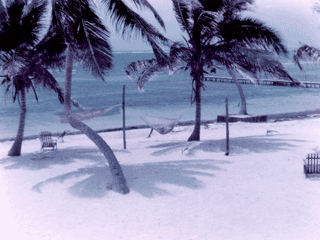

Ambergris Caye
Belize18.01°N 87.93°W
17 places in the index.
18.01°N 87.93°W
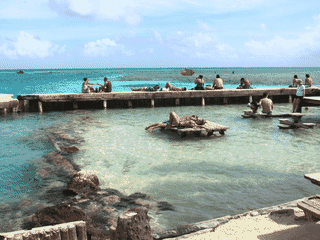
17.74°N 88.03°W
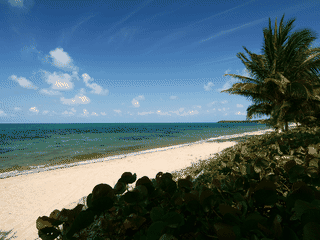
16.87°N 88.28°W
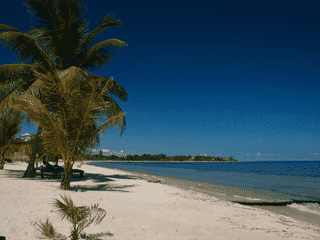
16.51°N 88.37°W · 11 m
17.16°N 89.06°W · 76 m
Altun Ha is the ruins of an ancient Maya city in the Belize District, about 30 miles (50 km) north of Belize City. It is a nice, educational day trip from Ambergris Caye, Caye Caulker, or Belize City.
Atlas entry
Ambergris Caye pairs white-sand shores with a barrier reef just offshore. Its relaxed island atmosphere suits travelers who want beach time around snorkeling and diving outings.
Belize City is the largest city in Belize, on a small peninsula protruding into the Caribbean Sea. It was the capital until a 1961 hurricane.
Atlas entry
Caracol was one of the most powerful cities in the Maya world, at its peak larger in area than modern Belize City with twice the population of today's capital. The archaeological site extends over 200 km² with many restored structures including the impressive Sky Palace temple complex.
Atlas entry
Caye Caulker offers a relaxed island stay close to Belize's barrier reef. Restaurants, bars and a backpacker following give its small settlement a sociable atmosphere.
Corozal Town sits 9 miles from the Mexican border in Northern Belize, making it a practical stop for travelers crossing between Belize and Mexico. With only 8,100 residents, it's a genuinely small and sleepy town where tourists are rare.
Atlas entry
Dangriga is a funky Garifuna town in Stann Creek District, Belize, that looks a bit rough around the edges but offers genuine cultural immersion. Home to some of the friendliest people in Belize, it provides an authentic alternative to tourist-heavy areas.
Atlas entry
Hopkins brings Garifuna culture and Caribbean beach life together in a relaxed coastal village. Drumming lessons, reef outings and nearby jungle landscapes offer varied ways to spend a stay.
Lubaantun (meaning "the place of the fallen stones") is a Late Classic Maya archaeological site near the village of San Pedro Columbia in southern Belize. It offers a quieter alternative to major Maya sites like Tikal and Caracol, allowing visitors to wander the ruins alone in peaceful green forest.
Atlas entry
Orange Walk Town is the capital of the Orange Walk district, situated 57 miles (95 km) north of Belize City. This agricultural town is not a tourist hotspot but serves as an excellent base for explorations of Northern Belize, particularly the famous Mayan ruins at Lamanai.
Atlas entry
Placencia offers a relaxed Caribbean village base for snorkeling, diving and fishing. Its concrete Sidewalk links restaurants, bars and shops for easy evening strolls.
Punta Gorda is the southernmost town in Belize and the capital of Toledo District, founded as Peini by the Garifuna people. Home to over 5,000 people from many ethnic groups, it remains a sleepy little town except for market days, offering travelers a genuine taste of 'real' Belize.
Atlas entry
San Antonio is the largest Mopan Maya village in Toledo District, offering a rare glimpse into traditional Maya life far from Belize's beach resorts. The village was established in 1883 by Mopan Maya fleeing Guatemalan persecution, and it remains the most developed village in the district with electricity, running water, and a health centre while retaining traditional thatched houses scattered across gentle hills.
Atlas entry
San Ignacio and neighboring Santa Elena invite exploration on foot across Hawksworth Bridge. Burns Avenue gathers restaurants, shops and tour operators into a convenient town center.
Seine Bight is a small village on the Placencia Peninsula resort area in Belize. It offers a quieter alternative to more developed tourist areas while providing access to pristine beaches and the second largest barrier reef in the world.
Atlas entry
Tobacco Caye is a rare budget-friendly island in Belize, where most destinations cater to luxury resorts. At only 60m x 120m, this tiny coral island packs about 20 permanent residents, several small lodges, and a handful of piers into its footprint.
Atlas entry
Xunantunich is Belize's most-visited Maya archaeological site, featuring 9th-century ruins with about 25 temples and palaces spread across six groups atop a hill overlooking the Mopan River. The star attraction is El Castillo, a 40m (131 ft) pyramid providing sweeping 360-degree views of jungle, Guatemala's borderlands, and surrounding ruins.
Atlas entry
In development: the whole atlas offline, a trip planner and a private journal. We'll post here when it ships. No newsletter to join.


