Copacabana
South America · Bolivia
Did you know?
- Cerro El Calvario has fourteen stations of the cross on its climb above the beach.
- Lakeside kitchens specialize in trout from Lake Titicaca.
- A revered Dark Virgin statue in the basilica was carved from cactus in 1583.
See also
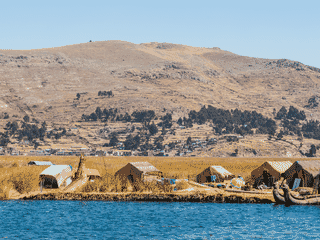

Uros Islands
Peru15.80°S 69.97°W
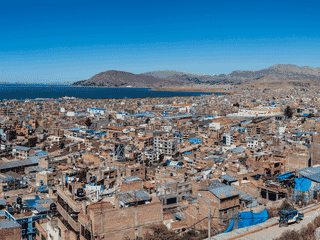

Puno
Peru15.84°S 70.02°W · 3,830 m
Isla del Sol
Bolivia16.02°S 69.18°W
Sorata
Bolivia15.77°S 68.65°W · 2,700 m
Isla Amantani
Peru15.66°S 69.71°W
Huayna Potosí
Bolivia16.26°S 68.15°W
Overview
Copacabana is a lakeside stop between La Paz and Peru. Walk the promenade for Lake Titicaca sunsets or explore the surrounding hills and Inca ruins.
Languages: Aymara, Guaraní, Quechua, Spanish
Why go?
Copacabana is the main hub for visiting Isla del Sol, the birthplace of the Inca empire according to legend. The town sits on Bolivia's most sacred lake and draws pilgrims to the Basilica of Our Lady of Copacabana, which houses a revered Dark Virgin statue carved from cactus in 1583. It's far quieter and cheaper than Puno across the border, making it a peaceful lakeside stop between La Paz and Peru. The main beachfront promenade offers sunsets over Lake Titicaca, and the surrounding hills contain ancient Inca ruins.
Adapted from Wikivoyage contributors · CC BY-SA 4.0
Getting in
From La Paz, buses and minibuses leave from the Cemetery Bus Terminal (Terminal Cemetery) near Sopocachi, with journeys taking 3-4 hours and costing around Bs. 30-50 depending on the company. From Puno in Peru, three daily buses cross the border at 06:00, 08:00, and 14:00 for approximately Bs. 30. shared taxis also connect Copacabana with Yampupata on the western shore.
Adapted from Wikivoyage contributors · CC BY-SA 4.0
Getting around
The town is compact enough to explore on foot, and taxis are rarely needed. From 2 de Febrero street, you can hire pedicabs to transport luggage to your hotel. The Basilica and main plaza are a short walk from the bus drop-off points, while the beachfront promenade runs north-south along the lake.
Adapted from Wikivoyage contributors · CC BY-SA 4.0
When to go
The dry season from May to October offers the clearest skies and best views of the lake, though nights can be cold at 3,800m altitude. The wet season (December-March) brings afternoon thunderstorms but fewer tourists and lower prices. During religious festivals, particularly around the Virgen de la Candelaria feast day, the town fills with pilgrims and prices rise.
Adapted from Wikivoyage contributors · CC BY-SA 4.0
Where to stay
Accommodation clusters along the lakeside avenue and beachfront, ranging from basic hostels to comfortable mid-range hotels. Walking into hostels directly can yield discounts of up to 50% compared to online booking sites, especially outside high season. Budget rooms with double beds and private bathrooms start around Bs. 50-60 at places like Hostal Sonia or Hotel Wendy Mar, while lakeside rooms with views at The Mirador or La Leyenda run Bs. 100-120. Hotel Rosario del Lago is considered the best option in town at US$35-45.
Adapted from Wikivoyage contributors · CC BY-SA 4.0
Food and drink
The lakeside promenade has numerous small restaurants serving trout from Lake Titicaca, the local specialty. Cafe Bistrót on Av. 6 de agosto offers Bolivian-international fusion including Thai curry for Bs. 20-35. Kota Kauhaña inside Hotel Rosario del Lago is the most upscale option with dinner under US$10. Street vendors near the market sell cheap empanadas and api (purple corn drink). Many lakeside bars offer cold beer and wine for sunset viewing.
Adapted from Wikivoyage contributors · CC BY-SA 4.0
Things to do
The Cerro El Calvario is a moderately strenuous 30-minute climb at the north end of the beach with fourteen stations of the cross; it's best visited at sunset despite some trash at the summit. The Museo del Poncho on Tito Yupanqui street (Bs. 15, 10:30-17:00) displays Andean textiles and explains the poncho as a symbol of identity. Two ancient Inca ruins sit on hills at the other end of the shore. Most visitors take a boat to Isla del Sol, with departures around 08:30 for full-day tours covering the north and south of the island.
Adapted from Wikivoyage contributors · CC BY-SA 4.0
Safety
Copacabana is generally safe for travelers, though standard precautions apply in tourist areas. The main beach is shallow and safe for swimming, but Lake Titicaca's altitude (3,812m) can affect newcomers—acclimatize in La Paz first. Altitude sickness is a risk; drink plenty of water and move slowly. The walk to Yampupata involves little traffic, but bring warm clothing as weather changes quickly.
Adapted from Wikivoyage contributors · CC BY-SA 4.0
Connectivity
Internet cafes charge Bs. 4-8 per hour, among the most expensive in Bolivia, with the cheapest located across from the market at Bs. 4/hr. Most hotels, hostels, and tourist-oriented cafes offer free WiFi at acceptable speeds. Connections are slower than in La Paz. Hotel Rosario del Lago and Hotel La Cúpula provide reliable WiFi for guests.
Adapted from Wikivoyage contributors · CC BY-SA 4.0
Go next
Isla del Sol is the essential day trip—boats depart around 08:30 for full-day tours with stops at the north and south of the island, or half-day afternoon tours visiting just the south. Yampupata is a 17km, 4-5 hour walk along a scenic dirt road with minimal traffic; you can camp near the lake and continue to Isla del Sol by local boat the next day. Puno in Peru has three daily buses for Bs. 30. La Paz-bound buses also depart throughout the day.
Adapted from Wikivoyage contributors · CC BY-SA 4.0
Field guide adapted from Wikivoyage contributors · CC BY-SA 4.0. Text has been adapted and organized for this guide. About our sources.
Places to know
A few starting points from the guide. Check current hours and prices before you go.
- sleep
Hostal Sonia
Cheap, but some showers are bad and lack hot water. Trucks and buses cruise by at all hours, always honking to make the turn around the hostel. Wi-Fi (20 Mbs) available in the rooms. You can negotiate the rates very easily.
Recorded price: Bs. 60 for a room with double bed and private bathroom
Adapted from Wikivoyage contributors
- sleep
Hotel Chasqui d'Oro
A grand-looking terraced hotel with a wonderful view of the lake.
Adapted from Wikivoyage contributors
- sleep
Hotel La Cupula
La Cúpula is nestled on the hillside of lake Titicaca, a location, which overlooks both the lake and the Village of Copacabana. Calle Michel Perz 1-3. Singles from Bs. 75, heating, breakfast extra. Real hot showers.
Adapted from Wikivoyage contributors
- sleep
Hotel Rosario del Lago
Considered the best hotel in town. The modern hotel is designed in the local contemporary style and decorated in traditional Bolivian textiles. Every room has a view of the Lake and the hotel includes a small museum and the top restaurant, Kota Kauhaña.
Recorded price: US$35 single, US$45 double, larger/suite US$45-95
Adapted from Wikivoyage contributors
- sleep
Hotel Wendy Mar
Super friendly and helpful staff. Nice views directly west for sunset. Clean and modern rooms with cable TV.
Recorded price: Bs. 50 (not including breakfast)
Adapted from Wikivoyage contributors
- sleep
La Leyenda
Beautifully decorated hostel, inside and out. The rooms are charming in a rustic sort of way, but some may consider overpriced for their condition. Try to get a room on the second or third floors, as the views (especially sunsets) are great. Comes with a simple continental style breakfast.
Recorded price: Bs. 100 for a large room with double bed and private bathroom
Adapted from Wikivoyage contributors
- sleep
The Mirador
Every room has a beautiful view on the lake, but the matrimonial beds are a bit too small. Rooms are very big and clean, so is the bathroom. 1 min away from the main avenue. Wi-Fi is provided via 3G. The breakfast is continental with fruits, but may not be ready if you try to catch 08:30 boat. The staff could be more attentive. But with the price it is unbeatable."
Recorded price: Bs. 120 for matrimonial/twin with bathroom
Adapted from Wikivoyage contributors
- eat
Cafe Bistrót
Very tasty Bolivian-International fusion food. Amazing Thai Curry. Owned by the friendly Bolivian Fatima who speaks French, English and Spanish.
Recorded price: Bs. 20-35
Adapted from Wikivoyage contributors
Before you go
Altitude
At 3,812m elevation, altitude sickness affects many visitors. Spend time acclimatizing in La Paz before arriving, drink lots of water, and avoid strenuous activity on your first day.
Language
Spanish is the primary language. Quechua and Aymara are spoken by local communities. Some tourist-oriented staff speak basic English and French.
Money
The local currency is Boliviano (Bs.). ATMs are available but may run out of cash on weekends. US dollars are widely accepted for larger expenses. Internet cafes charge Bs. 4-8/hr, expensive by Bolivian standards.
Transport
Buses from La Paz (3-4 hours, ~Bs. 30-50) and from Puno in Peru (3 daily, Bs. 30) arrive at the main bus stop near the plaza. Shared taxis to Yampupata are also available.
Weather
Lake Titicaca creates its own microclimate. Evenings are cold year-round (down to 0°C), while days can be sunny and warm (15-20°C). Bring layers and sun protection.