Sorata
South America · Bolivia
Did you know?
- San Pedro Caves include an underground boat ride.
- Street vendors serve schnitzel with fries.
- The Illampu massif draws trekkers into the surrounding mountains.
See also
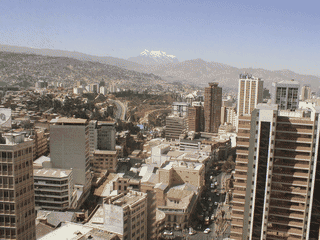

La Paz
Bolivia16.50°S 68.05°W · 3,640 m
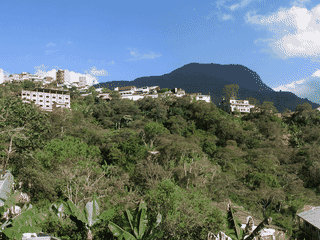

Coroico
Bolivia16.18°S 67.73°W · 1,744 m
Isla del Sol
Bolivia16.02°S 69.18°W
Copacabana
Bolivia16.17°S 69.08°W · 3,841 m
Huayna Potosí
Bolivia16.26°S 68.15°W
Isla Amantani
Peru15.66°S 69.71°W
Overview
Sorata is a mountain-town base for walks toward Laguna Chillata and the Illampu massif. Market streets and traditional pueblo buildings provide a gentler way to spend time between hikes.
Languages: Aymara, Guaraní, Quechua, Spanish
Why go?
Sorata is a small Bolivian town about 150 km northwest of La Paz, primarily known as a base for hikers and climbers exploring the surrounding mountains. The town offers easier logistics than other mountain destinations in Bolivia, with more accommodation options, diverse vegetation, and impressive day hikes such as to Laguna Chillata. High season falls in August and September, drawing trekkers seeking access to peaks like the Illampu massif. The town itself features typical attractive Bolivian pueblo architecture with market streets ideal for wandering when weather prevents hiking.
Adapted from Wikivoyage contributors · CC BY-SA 4.0
Get in
Buses depart La Paz from Cementerio or El Alto from Río Seco, costing Bs. 20 with a journey time of 3-3.5 hours. Buses leave every hour until 15:00. An alternative route from Copacabana involves taking any La Paz-bound bus and asking to be dropped at Huarina (about 2 hours from La Paz), then crossing the road to wait for a Sorata or Copacabana-bound bus. Starting early is recommended due to potential waits at Huarina.
Adapted from Wikivoyage contributors · CC BY-SA 4.0
Get around
Sorata is small enough to explore on foot, with the central plaza serving as the main gathering point. Taxis are available for reaching trailheads; a taxi to the Comunidad Pampa Colani (7 km) costs approximately Bs. 30-40, and a taxi to San Pedro Caves runs around Bs. 40 (can be haggled down to Bs. 35). The town itself is walkable, though roads leading to attractions involve significant climbing.
Adapted from Wikivoyage contributors · CC BY-SA 4.0
When to go
High season in Sorata is August and September, coinciding with the dry season and optimal hiking conditions. The wet season brings frequent rain that can make trails slippery and views obscured. At altitudes around 4,000 m, temperatures drop significantly, especially at night, making proper gear essential year-round. Weather in the mountains can change rapidly regardless of season.
Adapted from Wikivoyage contributors · CC BY-SA 4.0
Where to stay
Accommodation options cluster around the central plaza, ranging from basic budget stays to more comfortable options. Residencia Sorata Central on the plaza's northwest corner offers rooms at Bs. 15/25 per person with shared/private bathroom and includes breakfast for Bs. 12. Casa Reggae, 150 m south of the plaza, provides dorm beds for Bs. 20 with kitchen and beer garden access. Hostal Las Piedras near the football field offers rooms from Bs. 30 per person with a nicely decorated interior, free filtered water, and a German owner; it represents a comfortable mid-range option for those seeking something nicer.
Adapted from Wikivoyage contributors · CC BY-SA 4.0
Food and drink
Local food opportunities abound in Sorata, with street vendors offering schnitzel with fries for as little as Bs. 10. Panchita, attached to Hostal Panchita on the plaza next to the church, serves surprisingly good pizzas, decent Mexican food, and vegetarian options. Pizzerias around the plaza tend to be overpriced—visitors are encouraged to support local food vendors instead. For drinks, Cafe Illampu and Altai Oasis serve refreshments on the return from San Pedro Cave, while Casa Reggae offers beer and cocktails for evening socializing.
Adapted from Wikivoyage contributors · CC BY-SA 4.0
Things to do
Sorata serves as a base for several notable hikes. Laguna Chillata is an all-day 32 km round trip hike (~3-4 hours up) with guided tours available for Bs. 350 per group; a taxi to the Comunidad saves 1.5-2 hours. The Laguna Glaciar trail is a demanding 2-4 day hike covering 18 km with 2,360 m of total climbing and a maximum altitude of 5,050 m—GPS and offline maps are essential as people have become lost. San Pedro Caves (Grutas de San Pedro) charge Bs. 20 entrance plus Bs. 5 for the boat, open daily 09:00-17:00, reachable by a 2.5-3.5 hour walk or taxi from the plaza. Advanced options include Iskanwaya (5 days), Mapiri (7 days), and the Circuito Illampu (6-7 days). Downhill mountain biking in the surrounding mountains offers the only such opportunities in Bolivia.
Adapted from Wikivoyage contributors · CC BY-SA 4.0
Connectivity
Wi-Fi is essentially unheard of in most accommodations in Sorata. Some of the pizzerias supposedly offer Wi-Fi, but connectivity remains limited throughout the town. Visitors should not expect reliable internet access and should prepare accordingly with offline maps and downloaded content for their hikes.
Adapted from Wikivoyage contributors · CC BY-SA 4.0
Safety
The main safety concern in Sorata relates to hiking at high altitude. The Laguna Glaciar trail requires proper navigation—people have become lost and needed rescue, so offline maps and GPS are essential. At altitudes around 4,000 m, temperatures drop significantly, making proper tent and sleeping bag gear critical for overnight hikes. Water sources near the Laguna are reportedly safe to drink, but lower-elevation springs pass through villages using water for all purposes. The tourist information sites in town operate as disguised tour operators and will always attempt to sell services, even taking commissions on simple taxi rides.
Adapted from Wikivoyage contributors · CC BY-SA 4.0
Budget
Sorata is extremely budget-friendly. Transport from La Paz costs Bs. 20. Street food like schnitzel with fries runs Bs. 10. Accommodation ranges from Bs. 15-40 per person depending on amenities. Day hikes like Laguna Chillata can be done independently or with a guide for Bs. 350 per group. Taxis to trailheads cost Bs. 30-40. A daily budget of Bs. 80-150 covers basic needs including accommodation, food, and local transport.
Adapted from Wikivoyage contributors · CC BY-SA 4.0
Go next
From Sorata, travelers can head to La Paz (3-3.5 hours, Bs. 20) for continued exploration of Bolivia's capital region. Copacabana and Lake Titicaca are accessible via the Huarina route, offering a different landscape focused on the lake rather than mountains. Rurrenabaque, accessible via the MTB/boat trip starting from Sorata, provides access to the Amazon basin and pampas. The multi-day trek circuits lead deeper into remote mountain regions for experienced hikers seeking wilderness experiences.
Adapted from Wikivoyage contributors · CC BY-SA 4.0
Field guide adapted from Wikivoyage contributors · CC BY-SA 4.0. Text has been adapted and organized for this guide. About our sources.
Places to know
A few starting points from the guide. Check current hours and prices before you go.
- sleep
Altai Oasis
is just below the town and has cabins you can stay in. Their restaurant has a great view over the valley, serves huge T-Bone steaks, great goulash, and a visually impressive but bland spinach & pumpkin soup. Service is slow but friendly.
Recorded price: Bs. 500
Adapted from Wikivoyage contributors
- sleep
Casa Reggae
Includes a kitchen, shower, beer garden and "Tourist Information". They also have a slightly insane monkey who will try to steal your drinks.
Recorded price: dorm beds for Bs. 20
Adapted from Wikivoyage contributors
- sleep
Hostal Las Piedras
just past the football field. Comfortable, nicely decorated, very clean, kitchen is fairly good, breakfasts (extra) yummy, plus a small but tasty menu for "proper" meals—the tomato soup is particularly good. Free filtered water, sink to wash your own clothes, friendly and helpful German owner, Petra Huber. A good place to splash out slightly if you want something a bit nicer than a standard dorm.
Recorded price: Rooms from Bs. 30 pp, with one or two double beds
Adapted from Wikivoyage contributors
- sleep
Residencia Sorata Central
Also have a great garden and a big breakfast.
Recorded price: rooms for Bs. 15/25 (shared/priv. bath) pp, breakfast for Bs. 12
Adapted from Wikivoyage contributors
- sleep
Residencial Sorata
The building is of "organic" construction, all very alive.
Recorded price: rooms for Bs. 15/40 (shared/priv. bath) pp
Adapted from Wikivoyage contributors
- eat
Panchita
Attached to Hostal Panchita on the plaza (next to the church), but more visible than the hotel itself. The best of the various pizza places around the plaza—surprisingly good pizzas for the type of establishment, decent Mexican food, a variety of vegetarian options, and a very forgetful owner who you'll usually have to give your order to at least twice. As usual with places like this, the wine list is rather optimistic compared to their actual stock.
Adapted from Wikivoyage contributors
- eat
Street Vendors
Local vendors selling schnitzel with fries for excellent value.
Recorded price: Bs. 10
Adapted from Wikivoyage contributors
- see
Central Plaza and General Enrique Peñaranda del Castillo Statue
The town's main plaza features a statue of General Peñaranda who bears a striking resemblance to Adolf Hitler.
Adapted from Wikivoyage contributors
Before you go
Connectivity
Wi-Fi is rare in Sorata, essentially absent from most accommodations. Pizzerias may offer limited Wi-Fi. Come prepared with offline maps and downloaded content.
Etiquette
The town is relaxed and friendly toward travelers. Supporting local street vendors rather than overpriced tourist-oriented pizzerias is appreciated by locals.
Money
The local currency is Boliviano (Bs.). Budget travelers can survive comfortably on Bs. 80-150 per day including accommodation and food. Street food and local restaurants offer excellent value.
Safety
High-altitude hiking carries risks. Offline maps and GPS are essential for multi-day treks. Proper cold-weather gear is required at elevations above 4,000 m.
Transport
Buses to/from La Paz depart hourly until 15:00 from Cementerio or Río Seco (El Alto), costing Bs. 20 for the 3-3.5 hour journey. Taxis around town cost Bs. 30-40.
Weather
High season is August-September (dry season). Wet season brings rain that makes trails slippery. Mountain weather can change rapidly year-round.