Overview
Tumbes is a northern Peruvian transit hub for travel toward Ecuador and along the coast. Nearby beaches, mangroves and protected landscapes give travelers reasons to pause beyond the bus terminal.
Transit Hub · Nature · Beach · Food
Did you know?
- The riverfront walkway is known as the malecon.
- Feijoo Street has a concentration of Chinese-Peruvian chifa restaurants.
- Raised mosaics decorate plazas, including a scene of Jesus ascending into heaven.
Where it is
Tumbes is 166 km south of Guayaquil.
Why Go
Tumbes serves as Peru's northernmost gateway to Ecuador, primarily functioning as a transit hub rather than a destination in itself. The city is described as gritty and mostly unpleasant, but its real value lies in proximity to beach resorts, mangrove ecosystems, and protected national parks. Travelers passing through will find basic services for border crossing or onward bus connections to northern Peruvian cities.
Getting In
Tumbes is accessible by road via the Pan-American Highway from Ecuador to the north and cities like Mancora, Piura, Chiclayo, Trujillo, and Lima to the south. International buses connect Tumbes to Guayaquil and Quito in Ecuador through companies like Ormeño (Lima-Guayaquil daily, Quito weekly), CIFA, and Transportes Loja. Domestic Tepsa buses run to/from Lima for approximately S/93. LATAM Airlines offers flights to Lima at 13:50 (2 hours) costing around US$200 one way.
Get Around
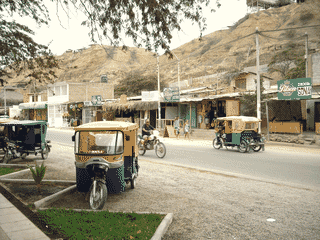
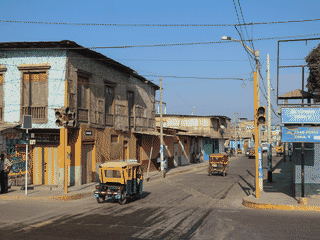
Local transport includes kombis serving beach resorts and colectivos for frontier routes. Trimotos (motorcycle taxis) provide cheap city transport for a few soles. Official white taxis charge S/33 (February 2018) to the joint Peru-Ecuador border at Aguas Verdes, while Ecuadorian yellow taxis cost US$5 to Huaquillas. Moto taxis to the city center from the CIFA terminal cost approximately S/5-10.
When To Go
The region experiences a desert-like climate typical of Peru's north coast. Travelers should be aware that peak border crossing activity occurs during daylight hours, and some services may have limited weekend availability.
Where To Stay
Accommodation options in Tumbes city are basic. Hotel Costa Del Sol near the main plaza offers rooms at US$90 or S/270. Hotel Feijoo on Feijoo Street provides good quality rooms with nearby Chinese eateries and shops. For beach access, Hotel Arrecife in Zorritos (15-25 minutes from Tumbes) sits directly on the beach at approximately US$25 for a private single room.
Food And Drink
Seafood is plentiful and affordable throughout Tumbes. Chifas (Chinese-Peruvian fusion restaurants) concentrate on Feijoo Street, offering local flavor at reasonable prices. Dessert shops are found along the market street, and the malecon walkway along the river provides scenic dining options.
Things To Do
The city features colorful 3-D mosaics, including a notable 6-meter (20-foot) mosaic depicting Jesus's ascension into heaven, scattered across various plazas. The malecon offers a pleasant riverside walk. Nearby attractions include white sand beaches at Aguas Verdes, the manglares (mangrove swamps) accessible from Puento Pizarro, and Cerros de Amotape National Park featuring dry forests and endangered species like the Tumbes crocodile. A small crocodile zoo near the manglares works to restore the local breed.
Safety
Tumbes itself is not considered dangerous, but travelers should be vigilant about scams, particularly at the Emtrafesa bus terminal. The most common scam involves fake taxi drivers who offer low prices to the border, then take victims to secluded areas and demand US$100 or more. Use buses or combis instead of taxis solicited in the city. Currency exchange scams also occur at the frontier. Police presence is mixed due to frontier conditions.
Connectivity
Mobile coverage is available through Peruvian carriers. WiFi is commonly found in hotels and some restaurants in the city center. Power outlets follow the standard Peruvian Type A/B configuration (two-prong flat or two-prong grounded plugs).
Go Next
The cheapest border crossing option is by combi from the corner of Abad Puell and Simón Bolívar, departing when full. Combis drop passengers directly at the joint Peruvian-Ecuadorian immigration control. Direct buses to Ecuador (Guayaquil, Machala) wait at both immigration offices. For Lima, Cruz Del Sur buses depart from a terminal accessible by moto taxi (US$1). The airport is 15 minutes away with transfers costing S/20 or US$7. Beach resorts along the coast are accessible by kombi.
Guide text adapted from Wikivoyage contributors under CC BY-SA 4.0.
Where to start
Sleep
Hotel Arrecife
Great looking hotel right on the beach. Rooms are US$25 for a small private single, and not much more for a private double or triple.
Price when recorded: US$25
Sleep
Hotel Costa Del Sol
Price when recorded: US$90 or S/270.
Sleep
Hotel Feijoo
Good quality, with many Chinese eateries and shops nearby.
Before you go
Food
Chifas (Chinese-Peruvian restaurants) on Feijoo Street offer affordable meals; seafood is plentiful and cheap throughout the city.
Money
Currency exchange scams occur at the frontier; use official exchange houses rather than street vendors.
Safety
Avoid taxis soliciting business at the Emtrafesa bus terminal due to robbery scams demanding US$100+. Use buses or combis instead.
Transport
LATAM Airlines flights to Lima take 2 hours and cost around US$200 one way, saving 20 hours versus bus travel.