.jpg)
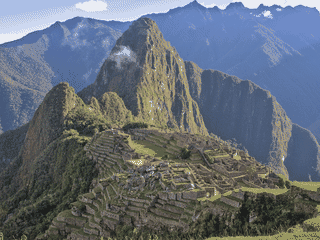
Machu Picchu
South America · Peru
Did you know?
- The Temple of the Sun showcases closely fitted Inca stonework.
- The Temple of the Condor uses arranged stone to suggest outstretched wings.
- Spring-fed fountains form part of the surviving water system.
See also
.jpg)
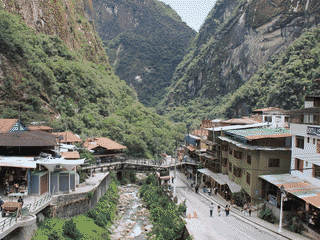
Aguas Calientes
Peru13.15°S 72.52°W · 2,040 m
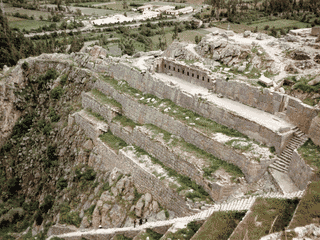

Ollantaytambo
Peru13.25°S 72.27°W · 2,792 m
.JPG)
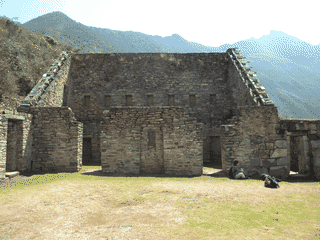
Choquequirao
Peru13.40°S 72.90°W
Maras
Peru13.33°S 72.16°W · 3,300 m
Urubamba
Peru13.30°S 72.12°W · 2,870 m
Chinchero
Peru13.39°S 72.05°W · 3,754 m
Overview
Closely fitted Inca stonework links temples and astronomical structures high in the Andes. The mountain setting gives the archaeological remains a striking backdrop.
Languages: Aymara, Quechua, Spanish
Why Go
Machu Picchu is the iconic Lost City of the Incas, perched at 2,430 metres (8,000 ft) above sea level in Peru's Andes. This UNESCO World Heritage Site is one of the most spectacular sets of ruins in the world, offering a rare glimpse into Incan civilization through its closely-fit stonework, temples, and astronomical structures. Whether you hike the legendary Inca Trail or arrive by train from Cusco, the experience of standing among these 500-year-old stone terraces and fountains is unforgettable.
Adapted from Wikivoyage contributors · CC BY-SA 4.0
Getting In
The only ways to reach Aguas Calientes (Machu Picchu Pueblo) are by train or on foot—no roads lead there. Most visitors take the PeruRail train from Cusco (via Ollantaytambo) or hike the Inca Trail. From Aguas Calientes, buses zigzag uphill to the site entrance, or fit hikers can tackle the free steep trail. Tickets must be purchased in advance online or from the office in Aguas Calientes; they are NOT sold at the entrance gate and are limited to 1,000 per day for walk-up purchases. passports are mandatory for entry even if tickets are in your name.
Adapted from Wikivoyage contributors · CC BY-SA 4.0
Fees and Permits
Peru caps tickets at 5,000 per day (4,000 online, remainder for in-person booking). Tickets are purchased for one of ten routes grouped into three circuits (reduced from five on 1 June 2024). Full circuit tickets cost S/152 (Nov 2024) each; students with ISIC cards and minors pay S/77; citizens of Peru, Ecuador, Bolivia, or Colombia pay S/112. To see all of Machu Picchu, you need multiple tickets. Online tickets require a credit card and can be bought months ahead; in-person tickets can only be used the day after purchase. A real-time availability tracker is available on the government website.
Adapted from Wikivoyage contributors · CC BY-SA 4.0
Get Around
No vehicles of any kind are allowed in the park. The main ruins are compact and walkable within 1-2 hours, but hikes like Huayna Picchu require serious fitness. Walking sticks are prohibited in the main area (except for those with mobility issues) but ARE allowed on Huayna Picchu where rubber-tipped rentals are available in Aguas Calientes. Steel-tipped sticks are banned. Many paths are one-way, so pay attention to avoid missing sites or accidentally exiting. Altitude acclimation is essential—steps are uneven and any ascent will leave you breathless.
Adapted from Wikivoyage contributors · CC BY-SA 4.0
See
The Sun Gate (Intipunku) offers stunning valley views if clouds clear; it's a strenuous 1-1.5 hour hike each way. The Temple of the Sun features incredible closely-fit stonework—the pinnacle of Inca masonry. The Intihuatana (sun dial) carved stone offers the best sunrise vistas with fewer crowds than the watchtower. The Temple of the Three Windows overlooks the main plaza. The Temple of the Condor includes stone arranged like a condor with wings, a prison complex with manacle grooves, and a drainage pit. The spring-fed fountains still function after 500 years. Guided 2-hour tours cost S/200 (Mar 2018) but can be negotiated down. There are NO toilets inside the citadel—use facilities at the entrance gate before passing through turnstiles.
Adapted from Wikivoyage contributors · CC BY-SA 4.0
Do
Huayna Picchu towers above the north end with steep, difficult ascent taking about 45 minutes via rough stone steps and steel cables. A tiny cave near the top requires a tight squeeze. 400 tickets per day must be reserved at least a month ahead in one of two time slots (07:00-08:00 or 10:00-11:00). Machu Picchu Mountain (3040m) offers spectacular views at lower cost; tickets must be purchased upfront like site tickets for 07:00-08:00 or 09:00-10:00 slots. For experienced hikers, the extended hike to the Moon Temple (Templo de la Luna) and Gran Caverna (Great Cave) takes about 4 hours total, entering a cave where women prayed to Pachamama. Note: Huayna Picchu trail is closed as of Jan 2024 with no set reopening date.
Adapted from Wikivoyage contributors · CC BY-SA 4.0
Where to Stay
The only accommodation at the site itself is the Machu Picchu Sanctuary Lodge (Belmond), charging $2,000+ per night—this is the only option for sleeping within the park. Nearly all visitors instead book hotels in nearby Aguas Calientes, a small town with various budget options. Because construction in the protected park area is nearly impossible, accommodation supply is limited, so book ahead especially during high season (June-August).
Adapted from Wikivoyage contributors · CC BY-SA 4.0
Food and Drink
Food options within the park are limited and expensive due to the captive market. The Concession stand above luggage storage charges approximately US$40 for a meal (Jan 2024). The Tinkuy Buffet Restaurant at Belmond Sanctuary Lodge offers a casual lunch buffet from 11AM-3:30PM for US$40, with discounted train-and-buffet packages available on certain PeruRail trains. The Tampu Restaurant Bar serves hotel guests only at 5:30AM-9AM, noon-3PM, and 6:30PM-9:30PM, also at high prices. For budget dining, head back to Aguas Calientes.
Adapted from Wikivoyage contributors · CC BY-SA 4.0
When to Go
Daytime temperatures range 12-27°C year-round, but nighttime lows drop significantly during Southern Hemisphere winter (May-August). The rainy season runs October to April, bringing most of the year's rainfall—plan extra days for weather delays. The Inca Trail closes during February's peak rainy season. Crowds are heaviest during the dry season (June-August); February is the quietest month. Most package tourists visit between 10:00-14:00, so early morning or late afternoon offers fewer crowds. Due to extreme UV radiation (nearby Cusco has the world's highest average), sun protection is essential year-round.
Adapted from Wikivoyage contributors · CC BY-SA 4.0
Go Next
Aguas Calientes is the nearest destination for overnight stays, hot springs, and additional hiking. Ollantaytambo and Cusco are the main return points, with Cusco offering the best acclimatization for altitude before any trekking. The Sacred Valley of the Incas surrounds the area with more archaeological sites. Further afield, Kuelap in Amazonas (northeast Peru) offers the largest pre-Inca ruins in South America, while Tiwanaku in Bolivia showcases similar stonework from a different civilization.
Adapted from Wikivoyage contributors · CC BY-SA 4.0
Field guide adapted from Wikivoyage contributors · CC BY-SA 4.0. Text has been adapted and organized for this guide. About our sources.
Places to know
A few starting points from the guide. Check current hours and prices before you go.
- sleep
Machu Picchu Sanctuary Lodge
This superbly over-priced hotel is the only option for sleeping at the park. There are two equally expensive restaurants on site, and 2 suites that have partial views of the ruins. If money is not a concern, consider staying here as it gives you more time to spend on the site, but otherwise you can find less expensive accommodation elsewhere.
Recorded price: $2000+
Adapted from Wikivoyage contributors
- eat
Concession stand
Near the entrance of the site, it is appropriately overpriced given their captive audience, a meal is US$40 (Jan 2024).
Adapted from Wikivoyage contributors
- eat
Tampu Restaurant Bar
Open to hotel guests only, also high prices.
Adapted from Wikivoyage contributors
- eat
Tinkuy Buffet Restaurant
A casual lunch buffet. The food is decent and the restaurant quite busy at peak times. A discounted train and buffet ticket is available on certain trains from Peru Rail. After lunch, do a circuit of the restaurant's poster-size photographs from Hiram Bingham's 1911 "discovery" of Machu Picchu.
Recorded price: US$40
Adapted from Wikivoyage contributors
- see
Fountains
500-year-old spring-fed fountains that still function today as a testament to Inca engineering.
Adapted from Wikivoyage contributors
- see
Intihuatana
Carved stone sun dial offering the best sunrise vistas with fewer crowds than the watchtower.
Adapted from Wikivoyage contributors
- see
Main Temple
Central temple complex showcasing the finest examples of Inca stonework.
Adapted from Wikivoyage contributors
- see
Sun Gate (Intipunku)
Iconic panoramic viewpoint and traditional endpoint of the Inca Trail, offering excellent valley views.
Adapted from Wikivoyage contributors
Before you go
Connectivity
Mobile and internet connectivity is very limited at Machu Picchu and nonexistent on most trails. Prepare to be disconnected during hikes.
Entry
Passport is mandatory for entry regardless of ticket name. Tickets are limited to 5,000/day; book online well in advance especially during high season.
Health
Altitude sickness is a concern at 2,430m—acclimatize in Cusco or Aguas Calientes for 1-2 days before visiting. UV radiation is extremely high; use sunscreen, hat, and sunglasses year-round.
Money
Peruvian Sol (S/) is the local currency. Machu Picchu tickets cost S/152 for adults (Nov 2024), S/77 for students/minors. Credit cards accepted for online ticket purchases.
Packing
Comfortable walking shoes are essential. Rubber-tipped walking sticks can be rented in Aguas Calientes for Huayna Picchu. Bring water and snacks for long hikes.
Safety
Huayna Picchu can become dangerous when wet. The peak is precarious for those afraid of heights. Trails are steep with uneven steps; take your time catching your breath.
Transport
PeruRail trains run from Cusco/Ollantaytambo to Aguas Calientes. Buses run from Aguas Calientes to the site entrance (S/24 or US$8 each way as of 2024). No roads lead to Aguas Calientes.
Weather
Temperatures range 12-27°C daily. Wet season (October-April) brings most rainfall. Dry season (June-August) has biggest crowds. February is quietest but Inca Trail closes.