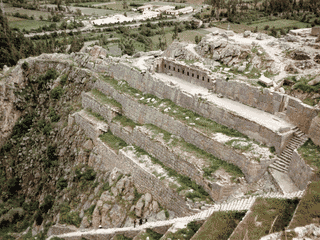

Ollantaytambo
South America · Peru
Did you know?
- Homes still occupy stone foundations built over 500 years ago.
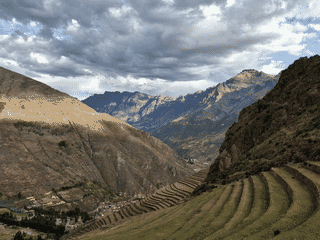
- Ancient granaries sit on the mountains opposite the main ruins.
- Inca defenders defeated Spanish forces at the religious and defensive ruins.
See also
.jpg)
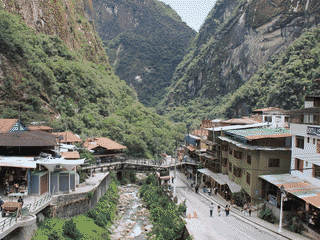
Aguas Calientes
Peru13.15°S 72.52°W · 2,040 m
.jpg)
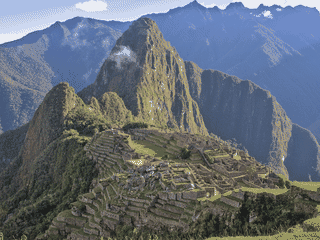
Machu Picchu
Peru13.16°S 72.55°W · 2,430 m
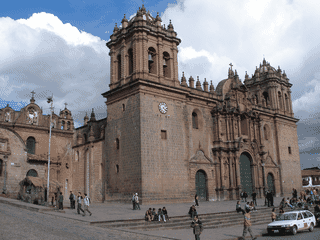

Cuzco
Peru13.53°S 71.97°W · 3,399 m

Pisac
Peru13.42°S 71.86°W · 2,972 m
Maras
Peru13.33°S 72.16°W · 3,300 m
Urubamba
Peru13.30°S 72.12°W · 2,870 m
Overview
Ollantaytambo is a living Inca town with an ancient cobblestone grid. Stone foundations built centuries ago still support inhabited homes.
Languages: Aymara, Quechua, Spanish
Why go?
Ollantaytambo is unique in all of Peru—a living Inca town where the same cobblestone grid and stone foundations built over 500 years ago are still inhabited today. This is where the Incas retreated after the Spanish took Cusco, and the spectacular green mountains surrounding the town are dotted with Inca ruins including the fortress-temple complex right above the main plaza. It serves as the primary rail gateway to Machu Picchu, making it an essential stop on any Sacred Valley itinerary.
Adapted from Wikivoyage contributors · CC BY-SA 4.0
Getting in
The Ollantaytambo railway station connects the town to Cusco via the Sacred Valley and onward to Aguas Calientes and Machu Picchu. PeruRail operates service from Poroy (near Cusco) and the journey through the Urubamba Valley offers dramatic mountain scenery. The train station is about 400 meters (a quarter mile) from the main plaza, an easy walk lined with restaurants.
Adapted from Wikivoyage contributors · CC BY-SA 4.0
Getting around
Walking or cycling is the best way to explore Ollantaytambo. Three-wheeled moto-taxis and regular taxis are available at the train station but are generally unnecessary for the compact town center. The walk from the train station to the main plaza takes approximately 5 minutes, broken up by various restaurants along the way. It's just a 2-minute walk from the main plaza to the ruins entrance.
Adapted from Wikivoyage contributors · CC BY-SA 4.0
When to go
The dry season (May–October) offers the best weather for exploring ruins and trekking, though this coincides with peak tourist season. December to March is the wetter season with fewer crowds and discounted accommodation rates. El Albergue Ollantaytambo offers discounted rates December–March while requiring a minimum two-night stay during peak season (May 1 – August 31).
Adapted from Wikivoyage contributors · CC BY-SA 4.0
Where to stay
Ollantaytambo offers accommodation ranging from budget hostels to boutique hotels. Budget options include Hostal Chaskawasi with dorm beds from S/20 and Hostal el Tambao at US$10 per person in the old Incan pueblo. Mid-range options like Hotel Munay T'ika (S/100-180) and El Albergue (US$58-74) include breakfast and hot showers. For the best views of the Inca fortress, consider Hostal Iskay or Apu Lodge in the old town.
Adapted from Wikivoyage contributors · CC BY-SA 4.0
Food and drink
The town offers diverse dining from budget to upscale. Hearts Cafe on the main square donates profits to children's projects and has quality coffee with a book exchange. Quechua Blues Bar across the river serves good meals for about S/15. Alma Amor offers quiet vegetarian meals (S/25-35) alongside yoga and meditation. For upscale dining, El Albergue Restaurant features an open kitchen with alpaca and trout dinners, while Kusicoyllor claims the best coffee in Cusco with candlelit views of the ruins.
Adapted from Wikivoyage contributors · CC BY-SA 4.0
Things to do
The main draw is the Ruins of Ollantaytambo, a largely religious site that also served as defensive structures where the Incas defeated the Spaniards. The hike to the top takes about 15 minutes. Across the valley, Pinkullyuna hill has Inca storehouses with spectacular views and free admission (open 07:00–16:30). KB Tambo and other operators offer bike and horse tours. Awamaki Weaving Project runs tours to Quechua communities in the Patacancha Valley and can arrange homestays.
Adapted from Wikivoyage contributors · CC BY-SA 4.0
Safety
The main square is usually swarming with hikers and porters. A few blocks away is a vibrant community living in pre-Columbian dwellings—if invited inside, you'll see alpaca fetishes for fertility and ancestors' skulls in niches. When hiking to Pinkullyuna or the granaries, go with a friend and let your hostel know where you've gone. Be cautious with chicha (local corn beer), which some locals report is sometimes made under unhygienic conditions.
Adapted from Wikivoyage contributors · CC BY-SA 4.0
Connectivity
Several accommodations offer free WiFi including Apu Lodge, Casa Blanca Lodge, and Tunupa Lodge. El Albergue Ollantaytambo also provides internet access. Power outlets use the standard Peruvian Type A/B plugs (120V, 60Hz), matching North American standards.
Adapted from Wikivoyage contributors · CC BY-SA 4.0
Budget tips
Budget travelers can eat well for S/15-25 per meal at places like Quechua Blues Bar and Alma Amor. Dorm beds start at S/20 at Hostal Chaskawasi. The boleto turistico costs S/130 for 10 days covering multiple Sacred Valley sites, or S/70 for a 2-day partial pass. Walking is free, and the ruins offer spectacular views at no extra cost beyond the tourist ticket.
Adapted from Wikivoyage contributors · CC BY-SA 4.0
Day trips
The most popular day trip is the train journey to Aguas Calientes and Machu Picchu (typically combined as an overnight or day trip). The mountains opposite the main ruins have ancient granaries accessible by trek. The Awamaki project offers day trips to Quechua communities in the Patacancha Valley. A full day can be spent hiking both Pinkullyuna and the main ruins complex.
Adapted from Wikivoyage contributors · CC BY-SA 4.0
Go next
The main onward destination is Aguas Calientes and Machu Picchu via the PeruRail train service. Return to Cusco to explore more of the Sacred Valley, including Pisac, Yucay, and Moray. The Ollantaytambo station connects to both directions on the rail line serving the Sacred Valley and the route to the Lost City of the Incas.
Adapted from Wikivoyage contributors · CC BY-SA 4.0
Field guide adapted from Wikivoyage contributors · CC BY-SA 4.0. Text has been adapted and organized for this guide. About our sources.
Places to know
A few starting points from the guide. Check current hours and prices before you go.
- sleep
Apu Lodge
Walk up from the plaza for five minutes along a narrow cobblestoned street into the unique Inca grid of back streets and you reach this quiet retreat, a new building within walled gardens with magnificent views of the Inca fortress and red tile roofs of Ollanta. Sunny rooms boast large windows, private bathrooms with hot showers, orthopedic queen size beds with down comforters and art by talented local artists. Hammocks and benches invite relaxing in the Andean sun. Book exchange, free internet, wifi, ample breakfasts, dinner served. Manager Jose and his staff happily answer any questions about travel, hikes, and tours.
Recorded price: US$65-75 with discounts November to March
Adapted from Wikivoyage contributors
- sleep
Casa Blanca Lodge
Peaceful and tranquil setting with gardens and views of the surrounding mountains and ruins. Free complete organic and local ingredients for an American breakfast. Fast WiFi in every room. Lounge and bar area is available for beer and TV.
Recorded price: US$30-70
Adapted from Wikivoyage contributors
- sleep
El Albergue Ollantaytambo
Built in the 1920s, this hotel was reopened in the 1970s as a backpacker place and has private baths, hot showers, beautiful gardens and friendly staff. The Albergue restaurant is rated one of the best in the Sacred Valley serving delicious trout, alpaca, house-made fettuccine and a great breakfast. The proprietor has been living in Peru for decades. English spoken. Sauna included in price of room. Knowledgeable staff offers great orientation and arrangements for day hikes, tours and activities. Hammocks in the back.
Recorded price: US$58-74. During peak season (May 1 – August 31) minimum stay two nights required, discounted December–March
Adapted from Wikivoyage contributors
- sleep
Full Moon Lodge
Near the center of town, with a nice view of the countryside. Simple, clean rooms with private bathrooms and hot showers. Specializes in mystic tours.
Recorded price: US$15-20 per night
Adapted from Wikivoyage contributors
- sleep
Hostal Andenes
Clean hostel with a central location. Owned by a very nice Peruvian family. Doesn't look like much from the outside, but has a very beautiful interior. Rooms come with private baths, hot showers, and access to their computer lab. Guests also get a discount at their adjacent restaurant.
Recorded price: ~US$30/room
Adapted from Wikivoyage contributors
- sleep
Hostal Chaskawasi
Near the entrance of Ollantaytambo on Calle Principal, this hostel is managed by Katy, nice girl, very friendly and helpful. A pleasure to stay there. The place is clean, there are different spaces created for different ambience: bar, TV, room with sofas, maps and a lot of advice about things to do. If you ask Katy, she can lend you travel books.
Recorded price: Beds in a 4-bed dorm from S/.20
Adapted from Wikivoyage contributors
- sleep
Hostal Iskay
Beautiful view from two garden terraces of the Ollantaytambo Fortress. Breakfast is a full American breakfast with eggs, fruit, bread, butter, jam, coffee or tea. Coffee and tea are available all day. Full use of the kitchen to cook your own meals or store your food.
Recorded price: From US$39 for a single room
Adapted from Wikivoyage contributors
- sleep
Hostal Kiswar
Right on the main plaza. A nice, clean hostel with private rooms and private bathrooms with hot showers. The owner, Jesús, also owns the adjoining Café (Café Kiswar) and will be happy to talk to you about Ollantaytambo culture, tours, or how good his coffee is.
Recorded price: US$17-33 per room
Adapted from Wikivoyage contributors
Before you go
Accommodation
Budget dorms from S/20; mid-range hotels US$45-75 with breakfast. Peak season (May-Aug) may require 2-night minimum.
Connectivity
Free WiFi at several hotels including Apu Lodge, Casa Blanca Lodge, and Tunupa Lodge. Standard Type A/B power plugs (120V).
Entry
The boleto turistico (S/130 for 10 days or S/70 partial for 2 days) covers Ollantaytambo ruins and other Sacred Valley sites. Local guides: S/20-100.
Money
Peru uses the Sol (S/). Many mid-range hotels quote prices in USD. ATMs available near the train station.
Safety
Main square is safe; inform hostel staff when hiking to outlying ruins like Pinkullyuna. Drink chicha with caution.
Transport
PeruRail operates trains from the Ollantaytambo station to Aguas Calientes and Machu Picchu. The station is a 5-minute walk from the main plaza.