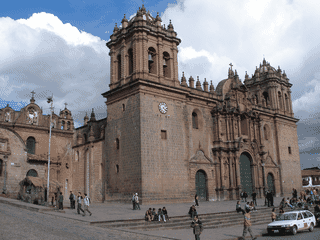

Cuzco
South America · Peru
Did you know?
- This was the capital of the Inca Empire.
- Colonial buildings rest on surviving Inca walls.
- Juice stalls are part of the draw at San Pedro market.
See also
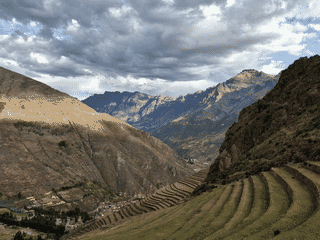

Pisac
Peru13.42°S 71.86°W · 2,972 m
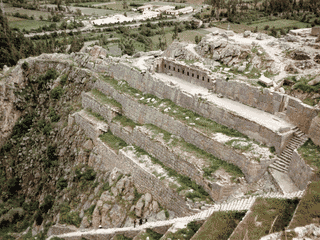

Ollantaytambo
Peru13.25°S 72.27°W · 2,792 m
.jpg)
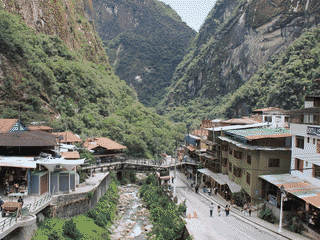
Aguas Calientes
Peru13.15°S 72.52°W · 2,040 m
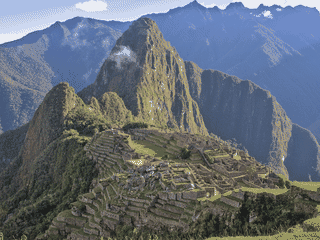
.jpg)
Machu Picchu
Peru13.16°S 72.55°W · 2,430 m
Chinchero
Peru13.39°S 72.05°W · 3,754 m
Maras
Peru13.33°S 72.16°W · 3,300 m
Overview
Colonial architecture rises above Inca walls in the former imperial capital. The UNESCO-listed city rewards walks focused on its surviving stonework and historic buildings.
Languages: Aymara, Quechua, Spanish
Why go?
Cuzco was the capital of the Inca Empire and is now a UNESCO World Heritage site with well-preserved colonial architecture built atop Inca walls. It is the main gateway for trips to Machu Picchu and the Sacred Valley, and offers a rich indigenous Quechua culture, vibrant nightlife, and numerous ruins like Sacsayhuamán. At 3,400 m, altitude sickness is a concern, but the city is one of Peru's most visited.
Adapted from Wikivoyage contributors · CC BY-SA 4.0
Getting in
The Alejandro Velasco Astete International Airport (CUZ) is 5 km east of the city center, serving domestic and limited international flights. The main bus terminal, Terminal Terrestre, is on Av. de la Cultura. Trains to Machu Picchu depart from San Pedro and Poroy stations. Buses from Lima and other cities arrive at various terminals.
Adapted from Wikivoyage contributors · CC BY-SA 4.0
Getting around
The historic center is walkable, but buses and taxis are needed for Sacsayhuamán, the bus station, or the airport. Beware of robberies at night. Shared combis cost around S/1 for short trips.
Adapted from Wikivoyage contributors · CC BY-SA 4.0
When to go
Cuzco has two seasons: dry (April–October) with abundant sunshine, and wet (November–March). The Inca Trail is closed in February. The best times are May–September for clear skies.
Adapted from Wikivoyage contributors · CC BY-SA 4.0
Where to stay
Many budget options are available, especially in San Blas neighborhood, a few blocks uphill from Plaza de Armas. Dorm beds start around S/15–35, private rooms from S/30–75. Most hostels offer hot water, wifi, and breakfast. Loki Cusco is a popular party hostel, while quieter options like Hospedaje Amanecer offer twins for S/40.
Adapted from Wikivoyage contributors · CC BY-SA 4.0
Food and drink
Local specialties include alpaca steak, cuy (guinea pig, S/60–70), lomo saltado, aji de gallina, and soups like sopa de zapallo. Vegetarian options are available. Markets like San Pedro sell cheap juices (S/3). Street food and chifa (Peruvian Chinese) are also common. For drinks, try Inca Kola and chicha morada.
Adapted from Wikivoyage contributors · CC BY-SA 4.0
Things to do
Must-see sights include the Cathedral (S/40), Qoricancha (S/20), Sacsayhuamán (covered by boleto turistico), and the nearby ruins of Qenko, Pukapukara, and Tambomachay. The Museo Inka (S/20) and Machu Picchu Museum (S/20) are excellent. For activities, hike Rainbow Mountain (from US$25), visit the Cochahuasi Animal Sanctuary, or take a salsa lesson. The Plaza de Armas is a central gathering spot.
Adapted from Wikivoyage contributors · CC BY-SA 4.0
Safety
Cuzco is relatively safe but muggings and pickpocketing occur. Avoid walking alone late at night away from the main square. Be wary of distractions and aggressive vendors. Drug laws are severe with long prison sentences. Feral dogs may roam at night but are generally harmless if you project confidence.
Adapted from Wikivoyage contributors · CC BY-SA 4.0
Budget
A backpacker can get by on around S/60–100 per day including dorm accommodation (S/15–35), cheap meals (S/10–20), local transport (S/1–5), and entry to sites. Budget for the boleto turistico (S/130 for 10 days) if visiting multiple ruins.
Adapted from Wikivoyage contributors · CC BY-SA 4.0
Day trips
Popular day trips include the Sacred Valley towns of Pisac (market and ruins), Ollantaytambo (fortress), and Chinchero. Also visit the ruins of Tipón and Pikillacta. Machu Picchu requires at least a full day; trains from Poroy or bus to Hidroeléctrica + walk.
Adapted from Wikivoyage contributors · CC BY-SA 4.0
Go next
From Cuzco, travel to Machu Picchu via train or trek, continue to Lake Titicaca (Puno) by bus or train, or explore the Sacred Valley further. The town of Ccaccaccollo offers traditional fabric making.
Adapted from Wikivoyage contributors · CC BY-SA 4.0
Stay healthy
Altitude sickness (soroche) is common; take it easy the first day, drink coca tea or water, and consider acetazolamide. Sun protection is critical as Cuzco has the highest UV levels in the world. Avoid uncooked vegetables and unpeeled fruit; drink bottled water. A clinic called Clinica San Josè is available for serious issues.
Adapted from Wikivoyage contributors · CC BY-SA 4.0
Field guide adapted from Wikivoyage contributors · CC BY-SA 4.0. Text has been adapted and organized for this guide. About our sources.
Places to know
A few starting points from the guide. Check current hours and prices before you go.
- eat
Bagdad Cafe
This small restaurant seems to produce everything themselves. Local food is extremely good, in the evening small performance groups enter the restaurant and give excellent performances. The prices are mid-range, but it is sure worth it. The daily menu lunch special is more like a snack.
Adapted from Wikivoyage contributors
- eat
Chia Vegan Kitchen
Arguably the best vegan place in Cusco, and very good value for money. Looks good, smells good, tastes good, and the staff is super friendly. Lunchtime offer includes drink and salad buffet for S/15. À la carte dishes are more expensive, but worth it. If you're up for a hot drink and/or something sweet, try the enormous hot chocolate for the (very enjoyable) sugar shock of the day.
Adapted from Wikivoyage contributors
- eat
Chifa Status
Good quality Chifa. Dishes for S/2-3. Ample portions invite sharing. Credit cards accepted.
Adapted from Wikivoyage contributors
- eat
Cicciolinia
This is a very tasty place to go for breakfast. Another location, Cicciolinia Café, is on Ruinas, which is open from 7:00 AM and good for brunch.
Recorded price: S/100
Adapted from Wikivoyage contributors
- eat
El Encuentro
Reasonably priced vegetarian restaurant with good portions. The S/10 dinner includes soup, main course and mate. Free salads with lunch. They also do soy meat very well. There are two of these restaurants but the one in Calle Tigre near Plaza de Armas is S/8 for exactly the same menu.
Recorded price: S/20
Adapted from Wikivoyage contributors
- eat
El Fogon
Nothing fancy but great cheap food: for S/10 you get a meal deal that includes a plate from the salad bar, a selection of soup, a selection of main dish, a dessert and a beverage. Or splurge with their more expensive menu offer for S/20. Very tasty Peruvian food. Friendly staff.
Recorded price: S/20
Adapted from Wikivoyage contributors
- eat
Emperador
They have a 13-page menu with all sorts of foods from around the world. Try the pisco sour tall.
Adapted from Wikivoyage contributors
- eat
Encantasq'a
A nice place to have a break with coffee and a snack. Especially the chocolate cupcakes are delicious and make up for half a lunch. They also have fresh cakes, quiches and juices.
Adapted from Wikivoyage contributors
Before you go
Health
Drink only bottled water. Altitude sickness is a risk; allow time to acclimatize. Use sunscreen due to extreme UV.
Language
Spanish and Quechua are widely spoken; English is spoken in tourist areas.
Money
Local currency is Peruvian Sol (S/). ATMs are common but not all accept foreign cards. Haggling is expected at markets.
Safety
Muggings and pickpocketing occur; stay aware and avoid walking alone at night away from main areas.
Transport
Taxis and combis are available; negotiate fares. Walking is fine in the center.
Visa
Visa requirements not discussed in article; typical for many nationalities is visa-free for up to 183 days.