
Lamu
Africa · Kenya
See also

Malindi
Kenya3.22°S 40.13°E · 0 m

Kilifi
Kenya3.63°S 39.85°E

Mtwapa
Kenya3.95°S 39.74°E
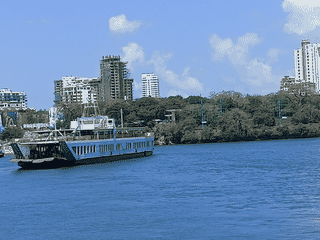

Mombasa
Kenya4.05°S 39.67°E · 50 m
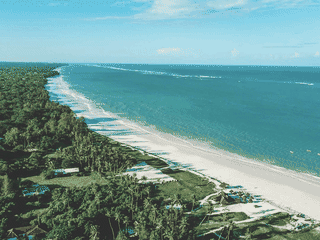

Diani Beach
Kenya4.30°S 39.58°E

4.27°S 39.40°E
Overview
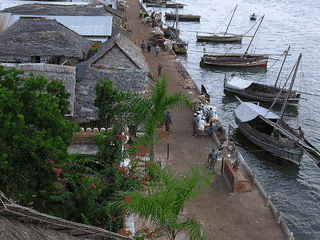
Lamu is Kenya's oldest continually inhabited town and a UNESCO World Heritage Site since 2001, featuring winding streets lined with traditional coral stone and mangrove timber Swahili houses. Unlike most Kenyan cities, Lamu has virtually no motor vehicles—donkeys, boats, and foot are the main modes of transport.
Languages: English, Swahili
Why Go
Lamu is Kenya's oldest continually inhabited town and a UNESCO World Heritage Site since 2001, featuring winding streets lined with traditional coral stone and mangrove timber Swahili houses. Unlike most Kenyan cities, Lamu has virtually no motor vehicles—donkeys, boats, and foot are the main modes of transport. The island offers pristine white sand beaches at Shela, traditional dhow sailing experiences, and a preserved Muslim Swahili culture that contrasts sharply with Kenya's interior.
Adapted from Wikivoyage contributors · CC BY-SA 4.0
Understand
Lamu is the main town on Lamu Island, part of the Lamu Archipelago off Kenya's coast. The Old Town sits on the North-Eastern shore, while Shela village lies 3 km south and is popular with wazungu (foreigners). Shela Beach stretches 12 km along the southern coast. The local Bajuni dialect differs from standard Swahili, though locals also speak the standard variety.
Adapted from Wikivoyage contributors · CC BY-SA 4.0
Getting In
Access to Lamu Island is by boat from the mainland. The Lamu jetty connects to ferries from Mombasa and other coastal points. Flights land at Lamu Airport on the mainland, requiring a short boat ride to the island. The road from Mombasa has improved security with Kenya Defense Force presence at regular intervals.
Adapted from Wikivoyage contributors · CC BY-SA 4.0
Get Around
The main transport on Lamu Island is boats and boda-boda (motorcycle taxis). Boda-boda rides between Shela and Lamu cost Ksh 100-150 during low tide and Ksh 250-300 during high tide (2025). Two passengers can negotiate a small discount. Walking the 45-minute path between villages is an option, though a flashlight is essential at night as street lighting is minimal.
Adapted from Wikivoyage contributors · CC BY-SA 4.0
When To Go
The best time to visit Lamu is during the dry seasons from June to October and January to February. The Lamu Cultural Festival, held annually, celebrates Swahili traditions with dhow races, traditional Swahili weddings, and cultural performances. Rainy seasons (April-May and November-December) may disrupt boat services.
Adapted from Wikivoyage contributors · CC BY-SA 4.0
See
The Old Town is the main attraction with its winding streets and traditional houses inscribed as a UNESCO World Heritage Site. Lamu Fort (Kenyatta Rd), built between 1813-1821 by sultans of Pate Island, now houses a museum. Lamu Museum (Kenyatta Rd), built in 1891, was the former British Governors' residence and showcases Swahili culture. The Takwa Ruins on Manda Island, founded around 1500 and abandoned around 1700, are accessible by boat from Shela.
Adapted from Wikivoyage contributors · CC BY-SA 4.0
Things To Do
Explore the Lamu Archipelago by dhow, a traditional Arab sailing vessel—prices start at Ksh 3000 for a 2-hour sunset trip to Manda Island or Takwa Ruins. Wind surfing lessons cost Ksh 3000 per hour at Peponi Hotel. Lamu is a hotspot for kite surfers. Beach options include Shela Beach (1.5 miles from town), Kipungani Beach (remote, accessible by boat), Manda Beach, and pristine Takwa Beach with dune landscapes. Manda Toto is a small uninhabited island good for snorkeling, reached by private charter boat in about 30 minutes.
Adapted from Wikivoyage contributors · CC BY-SA 4.0
Buy
Galleries, craft stores, and souvenir stands line Kenyatta Road, one street back from the seafront. Baraka Gallery features West African art, while Phoenix Studio showcases works by local artists. Traditional Swahili crafts including carved wooden doors, kofia ( embroidered caps), and handwoven baskets make distinctive souvenirs.
Adapted from Wikivoyage contributors · CC BY-SA 4.0
Food And Drink
Seafront restaurants in Lamu Town offer excellent seafood at reasonable prices, while back streets near the covered market have cheap and delicious street food. Traditional Swahili food is eaten with fingers, though better restaurants provide cutlery. Forodhani Amu serves biryani for Ksh 350 and shawarma wraps for Ksh 100. Rangaleni Cafe in Shela offers authentic Swahili meat stew for Ksh 300-400. Sailors Joint serves curry fish for Ksh 500-1500. Alcohol is pricier than mainland Kenya; Petleys is a popular backpacker bar, while the Floating Bar operates between Manda and Lamu islands on weekends.
Adapted from Wikivoyage contributors · CC BY-SA 4.0
Where To Stay
Accommodation options range from Lamu Town (most affordable) to Shela Village (cleaner, tourist-oriented) to remote Kipungani Beach (romantic but isolated). There is no budget accommodation or hostels on Lamu Island as of 2025—expect to pay at least Ksh 3500 per night, often negotiable to Ksh 2500. Jambo House offers rooms starting at Ksh 3500 (non-negotiable) and requires advance booking. New Mahrus Hotel near the central square has budget rooms without bathrooms.
Adapted from Wikivoyage contributors · CC BY-SA 4.0
Safety
Lamu Island itself has never been attacked by terrorists; threats come from mainland Lamu County villages. The Mombasa-Lamu road is considered secure as of 2025 with regular Kenya Defense Force patrols. However, beach boys frequently scam tourists with inflated mzungu prices and restaurant kickbacks. A common scam involves guiding tourists to menuless restaurants where bills reach thousands of shillings for mediocre food. Always ask prices before ordering.
Adapted from Wikivoyage contributors · CC BY-SA 4.0
Etiquette
Lamu is a conservative Muslim island—dress modestly, especially away from beach areas. Learning basic Swahili phrases and traditional Muslim greetings shows respect. Photography of local women should be approached carefully and with permission. During Ramadan, be extra considerate with eating and drinking in public.
Adapted from Wikivoyage contributors · CC BY-SA 4.0
Go Next
From Lamu, continue your coastal Kenya journey to Malindi, Mtwapa, Mombasa, or Diani Beach. Nairobi is accessible by flight or bus for those heading inland. Manda Island and Takwa Ruins make excellent day trips by dhow.
Adapted from Wikivoyage contributors · CC BY-SA 4.0
Field guide adapted from Wikivoyage contributors · CC BY-SA 4.0. Text has been adapted and organized for this guide. About our sources.
Places to know
A few starting points from the guide. Check current hours and prices before you go.
- sleep
Jahazi House
Adapted from Wikivoyage contributors
- sleep
Jamala Guesthouse
Spacious rooms at a decent price.
Recorded price: Ksh 3500 (negotiable)
Adapted from Wikivoyage contributors
- sleep
Jambo House
Owned by a German, this was once the budget go-to in Lamu, but has become so popular that it is now somewhat overpriced for what you get. But, it is popular for a reason. Book ahead because it is often full.
Recorded price: Rooms start at Ksh 3500 for singles (non-negotiable, usually)
Adapted from Wikivoyage contributors
- sleep
Jannat House
Nice pool, wifi and bar.
Recorded price: Ksh 3500 (negotiable)
Adapted from Wikivoyage contributors
- sleep
Jua House
B&B in Shela.
Adapted from Wikivoyage contributors
- sleep
Kijani Hotel
Adapted from Wikivoyage contributors
- sleep
New Mahrus Hotel
A well-established budget hotel with a rooftop restaurant. Rooms without bathroom are cheaper.
Adapted from Wikivoyage contributors
- sleep
Peponi Hotel
Adapted from Wikivoyage contributors
Before you go
Accommodation
No hostels exist on Lamu Island. Budget rooms start at Ksh 2500-3500 per night. Book Jambo House well in advance as it's often full.
Culture
Lamu is a conservative Muslim island with traditional Swahili customs. Dress modestly away from beaches and respect prayer times.
Food
Seafront seafood is excellent value. Street food near the covered market is cheap and delicious. Traditional Swahili meals are eaten with fingers.
Money
Kenyan Shilling (Ksh) is the currency. Bring cash from the mainland as ATMs on Lamu Island are limited. Credit cards are rarely accepted outside upscale hotels.
Safety
Lamu Island is safe from terrorism. Main risk is tourist-targeted scams—always confirm prices before ordering food or services.
Transport
Boda-boda (motorcycle taxi) is the main land transport between Shela and Lamu town. Boats serve all island-to-island travel. No motor vehicles are allowed on Lamu Island.