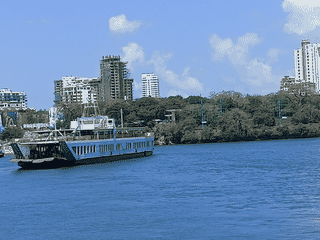

Mombasa
Africa · Kenya
See also
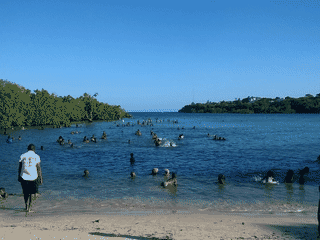

Mtwapa
Kenya3.95°S 39.74°E
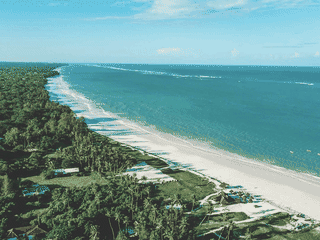

Diani Beach
Kenya4.30°S 39.58°E
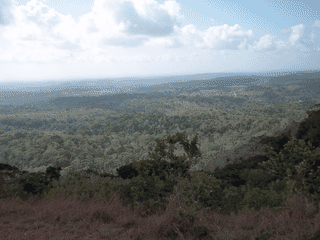

4.27°S 39.40°E

Kilifi
Kenya3.63°S 39.85°E

Malindi
Kenya3.22°S 40.13°E · 0 m
Overview
Mombasa is Kenya's main tourist destination, with a warm tropical climate, white beaches, and coral reef diving. The city offers a blend of Swahili, Arab, Portuguese, and British influences, visible in sites like Fort Jesus and the Old Town.
Languages: English, Swahili
Why go?
Mombasa is Kenya's main tourist destination, with a warm tropical climate, white beaches, and coral reef diving. The city offers a blend of Swahili, Arab, Portuguese, and British influences, visible in sites like Fort Jesus and the Old Town. It's a cosmopolitan city with a friendly atmosphere and activities for all ages.
Adapted from Wikivoyage contributors · CC BY-SA 4.0
Getting in
Moi International Airport (MBA) is the second most important airport in Kenya, with flights from European cities. A taxi to the city centre costs Ksh 1500-3000, Uber/Taxify cheaper, and tuk-tuks about Ksh 200 from 300m outside the car park. Buses to Nairobi, Malindi, and Dar es Salaam run from Mwembe Tayari Rd station. The Likoni ferry connects the island to the south coast, free for pedestrians.
Adapted from Wikivoyage contributors · CC BY-SA 4.0
Getting around
Traffic appears chaotic to Westerners, and laws are not respected even with police present. Matatus (minibuses) and tuk-tuks are common local transport. Taxis are recommended for night travel. The island is compact enough to explore on foot in the centre, but beaches are accessed by road.
Adapted from Wikivoyage contributors · CC BY-SA 4.0
When to go
The climate is tropical year-round. The major rain season is mid-April to late May, and a minor wet season in October-November. The hottest months are January-March, with temperatures above 32°C. The variation is small due to being 4° south of the Equator. The Southern Hemisphere fall has a yearly triathlon, and November has a carnival.
Adapted from Wikivoyage contributors · CC BY-SA 4.0
Where to stay
Most tourists stay along the north or south coast beaches rather than Mombasa city. Budget options include C D H Backpackers in the city centre (dorm Ksh 1000), Tulia House Backpackers in Nyali (dorm from Ksh 1300), and Diani Backpackers on the south coast (camping/dorm Ksh 600/1150). Price categories as of 2023: budget under Ksh 2000 per person, mid-range Ksh 2000-5000, splurge Ksh 5000+.
Adapted from Wikivoyage contributors · CC BY-SA 4.0
Food and drink
Mombasa's cuisine is a mix of Arabic, Chinese, European, and Indian influences. Local dishes often use coconut, such as wali ya tui (rice with coconut milk), kuku wa kupaka (chicken in coconut milk), and mahamri (coconut donuts). For budget eating, try the Blue Room (Indian/Asian, self-service) or Forodhani Restaurant overlooking the creek. Nightlife is vibrant in Mtwapa, known as 'the village that never sleeps'.
Adapted from Wikivoyage contributors · CC BY-SA 4.0
Things to do
Top attractions include Fort Jesus (Ksh 1500 adults, daily 8:30AM-6:30PM), a UNESCO World Heritage Site, and the Old Town with Swahili architecture. Haller Park (Ksh 1600) has giraffes, hippos, and the famous tortoise Mzee. Mamba Village has 10,000 crocodiles. For activities, try diving with Buccaneer Diving or Peponi Divers, water sports at Wild Waters (Ksh 1200 with toboggans), or simply visit Mama Ngina Park (free).
Adapted from Wikivoyage contributors · CC BY-SA 4.0
Safety
The emergency number is 112. The city centre is not safe at night; car-jacking and beach robberies occur. Always take a taxi after dark, avoid matatus, and leave areas with demonstrations. Do not photograph airports, banks, military areas, or police without permission. Following Al Shabaab attacks, be cautious near mosques and avoid sitting next to the road at outdoor terraces.
Adapted from Wikivoyage contributors · CC BY-SA 4.0
Connectivity
Free Wi-Fi is available at some cafes like Cafe Mocha (Nyali Cinemax) and at many backpacker hostels. Mobile networks are widely available, but specific providers are not listed in the article. Power plugs are likely the British Type G (three rectangular pins), though not explicitly stated.
Adapted from Wikivoyage contributors · CC BY-SA 4.0
Budget
A daily budget for a backpacker might be around Ksh 2000-3000. Dorm beds cost Ksh 600-1300, a simple meal from a local restaurant around Ksh 200-500, and a taxi ride from the airport Ksh 1500-3000. Haggling is common in markets; using Swahili phrases may help get better prices.
Adapted from Wikivoyage contributors · CC BY-SA 4.0
Day trips
Popular day trips include Diani Beach (35 km south), the Mwaluganje Elephant Sanctuary near Shimba Hills, Mtwapa's Jumba Ruins (14th-century village), and the Sacred Mijikenda Kaya Forests (30 km north). Tiwi Beach on the south coast is quiet and less touristy. Shimba Hills National Reserve is a semi-forested elephant reserve 35 km southeast.
Adapted from Wikivoyage contributors · CC BY-SA 4.0
Etiquette
Haggling is common in small shops; asking prices in English may result in higher initial prices. Always ask permission before taking photos of people. It is regarded badly to photograph airports, banks, or military areas. Respect local dress codes in religious sites, especially mosques and temples.
Adapted from Wikivoyage contributors · CC BY-SA 4.0
Go next
From Mombasa, buses go to Nairobi (via Modern Coast, Mash Poa), Malindi, Lamu, and Dar es Salaam in Tanzania. Other onward destinations include the Shimba Hills National Reserve, Diani Beach, and Mtwapa. The Likoni ferry connects to the south coast for further beach exploration.
Adapted from Wikivoyage contributors · CC BY-SA 4.0
Field guide adapted from Wikivoyage contributors · CC BY-SA 4.0. Text has been adapted and organized for this guide. About our sources.
Places to know
A few starting points from the guide. Check current hours and prices before you go.
- eat
Blue Room
Indian and Asian cuisine, hamburgers and special ice cream. Self service.
Adapted from Wikivoyage contributors
- buy
A One Supermarket Ltd
cheapest supermarket in Mombasa.
Adapted from Wikivoyage contributors
- buy
Akamba Handicraft
Decorative and useful objects made of sculpted wood. The carvings are hand made and hence each piece is unique. You can see the artisans at work in the shop and there's a showroom with a wide range of exhibits. In the hall for the tourists, prices are higher than on the opposite side of the ground, where wholesalers buy.
Adapted from Wikivoyage contributors
- do
Bamburi Forest Trails and Butterfly Park
The forested area most visited by locals and tourists is in Bamburi. It has many ponds, covers and area of 100 ha and you can get around by foot or bike. Nguuni Wildlife Sanctuary is located here, a place where you can encounter giraffes, ostriches, oryx and deer in semi-liberty. In the Butterfly Pavillion you can admire 16 species of living butterflies.
Recorded price: Ksh 200
Adapted from Wikivoyage contributors
- drink
Big Tree
Dance club directly at the sea front with a very good atmosphere and super sexy dance contests.
Adapted from Wikivoyage contributors
- do
Bigfish Sports Fishing
Offshore fishing in the Indian Ocean. Tours include fishing equipment and cold drinks. Their boats can also be chartered.
Recorded price: Tours from GBP220
Adapted from Wikivoyage contributors
- drink
Bob's Bar
Lively and popular bar near Tembo. This bar and grill is where a lot of great nights out get started. One of the few bars that is open until sunrise. 3 bars, one of them has a terrace. Disco. Serves food.
Adapted from Wikivoyage contributors
- do
Bombolulu Cultural Centre
Traditional Kenyan dance performances and sale of jewellery, leather, textiles and carved wood.
Adapted from Wikivoyage contributors
Before you go
Accommodation
Most tourists stay on the north or south coast beaches. Budget dorms from Ksh 600 per night.
Connectivity
Wi-Fi common in hotels and cafes. SIM cards easily available from Safaricom, Airtel.
Culture
Respect local customs, especially in Old Town. Dress modestly in religious sites. Ask permission before photographing people.
Food
Local dishes include wali ya tui, kuku wa kupaka, and mahamri. Street food is common.
Health
Several hospitals and clinics are available, including Coast General Hospital and Aga Khan Hospital.
Language
Swahili and English are widely spoken. Knowing a few Swahili phrases helps, especially when bargaining.
Local transport
Matatus are cheap but chaotic. Tuk-tuks for short distances. Likoni ferry is free for pedestrians.
Money
Local currency is Kenyan shilling (KES). Haggling is common in markets and small shops.
Safety
Emergency number: 112. Avoid the city centre at night; use taxis after dark. Be cautious of pickpockets in markets.
Transport
Matatus and tuk-tuks are common. Taxis are safer at night. The Likoni ferry is free for pedestrians.
Visa
Visa requirements for Kenya apply; check with the embassy.
Visa context
Visa rules depend on passport; check current entry rules before booking.
Water
Tap water is not safe to drink. Use bottled or boiled water.