Overview
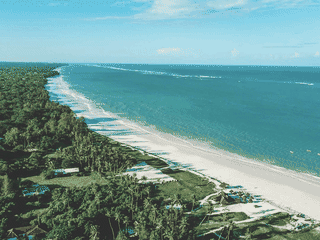
Diani Beach is a South Coast base with nicer beaches and more primordial nature. It is also a starting point for combining beach relaxation with safari adventures to Tsavo, Shimba Hills, and the Maasai Mara.
Beach · Day Trips · Nature · Budget Travel · Food
Did you know?
- A candlelit coral cave restaurant serves seafood and international cuisine by reservation.
- Shimba Hills is 40 km away and lists a Ksh 2200 entrance fee.
- Late November to mid-March is the recommended beach window.
Why go?
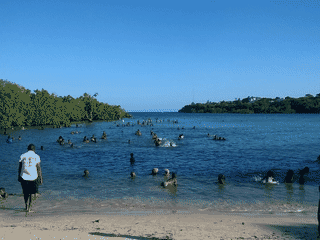
Diani Beach is Kenya's most tourist-oriented beach on the South Coast, 30 km south of Mombasa. While the North Coast offers more activities and nightlife, the South Coast provides nicer beaches and more primordial nature. Some hotels are isolated for tranquil pool-and-beach holidays, while others cluster near nightlife and shopping in Ukunda. The area serves as a base for combining beach relaxation with safari adventures to Tsavo, Shimba Hills, and the Maasai Mara.
Getting in
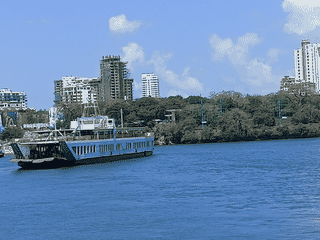
Most long-distance connections (bus, train, flights) to other Kenyan destinations go via Mombasa. Buses to Tanzania stop in Ukunda and continue via Tanga to Dar es Salaam in about 10-12 hours. Diani Airport offers air taxi services to Mombasa Airport as an alternative to the ferry crossing.
Getting around
Local transport includes Matatus (minivans) running along Diani Beach Road, tuk-tuks for short distances (approved for 3 persons), and boda-bodas (motorcycle taxis) as the cheapest option but most dangerous. Regular taxis are the safest option, especially at night. Shuttle services via Uber, Taxify, Little, and MaraMoja offer cheaper alternatives with pre-booked fares to avoid tourist overcharges. Car rental is not recommended without experience of Kenya's chaotic left-hand traffic; hiring a driver is advised.
When to go
The best travel time is from late November to mid-March. After March it gets uncomfortably hot with increased humidity. The main rainy season from April to June brings the worst conditions - rain can be brief or continuous for days. A secondary rainy season occurs in October-November. Rainy days can be boring as beach attractions are limited; visiting Mombasa's old town, Fort Jesus, temples, and shopping malls makes a good backup plan.
Where to stay
Diani Beach has too many hotels to list individually - use Google Earth to assess which areas are quiet versus active. All-inclusive deals are popular due to the tropical climate requiring heavy fluid intake; 2019 drink prices in Ksh: water (0.5L) 150-200, soft drinks 250, beer (0.5L) 300-400, cocktails from 650. Dress codes require long pants for men at dinner; swimwear is forbidden in restaurants. Large all-inclusive hotels do not allow local guests; smaller 'girl-friendly' or 'guest-friendly' hotels permit companions. Power outages are normal, and hotel standards differ from European expectations.
Food and drink
Restaurant service can take up to an hour as everything is prepared fresh. A 10% tip is common if food and service are good. Upscale options include Ali Barbour's Cave Restaurant (candlelit coral cave setting, seafood and international cuisine, reservation required), Nomad Restaurant (Italian, pizza, sushi, 7AM-10PM), and Sails Beach Bar (seafood, European, vegetarian, noon-11:30PM). Budget local restaurants offering country-style food include Swahili Pot, African Pot, Coast Dishes, and Qua Bruce Restaurant (Swahili dishes near Barclay's bank). Sea Pub offers local food (stews, greens, beans, rice) for Ksh 100-200 per plate.
Things to do
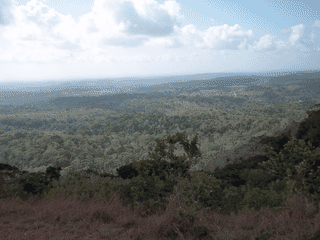
Shimba Hills National Reserve (40 km away, Ksh 2200 entrance, taxi transport Ksh 6000) offers coastal forest with Sable antelope, elephants, and Sheldrick Falls. Kaya Kinondo Sacred Forest requires a guided tour (phone ahead) - visitors must tie a black kanga as respect for spirits. Colobus Conservation is a re-adaptation center for Angolan colobus monkeys with volunteering opportunities. Marine activities include snorkeling at Kisite Mpunguti Marine Park and Wasini Island (€60-100 for full tours including lunch), diving at Diani Marine and Diving The Crab, and kite surfing at Nomads and Galu Beach. Day trips to Tsavo East and West offer safari experiences (€250 for 2-day tour to Tsavo East).
Safety
Diani Beach is relatively safe during daytime. Take taxis to pubs and restaurants at night - never use motorcycle taxis or tuk-tuks after dark. Valuables and cash should never be left in rooms; use hotel safes (against receipt). Items left unattended on the beach will be taken. Beach boys constantly approach tourists selling souvenirs, massages, and safaris. Police checks require ID; a photocopy of the first page and visa page is sufficient. Photos of military, banks, and ferries are forbidden. Sex tourism exists along the beach and in beach bars - take precautions against HIV and STIs. Monkeys (baboons and diademed monkeys) in hotels can be aggressive if fed; never leave windows or balcony doors open.
Connectivity
Most hotels have Wi-Fi at least in reception areas. For room and beach internet access, buy a Kenyan prepaid card at shopping centers - mobile internet is cheap in Kenya. Major shopping centers include Bahari Plaza (Chandarana supermarket, pharmacy, Fidelity Bank ATM), Carrefour Shopping Centre (hypermarket, pharmacy, restaurant, DTB bank), Diani Shopping Centre (Muthaiga supermarket, Good Life Pharmacy, Italian bakery, Apple Store), and The Gate Mall in Ukunda (Naivas supermarket).
Budget
Budget accommodation starts at Ksh 600 for dorms (Diani Hostel), Ksh 1050 dorms (Diani Backpackers), or Ksh 1200-1500 for private rooms. Tree house accommodation at Stilts Backpackers costs Ksh 1000-1800 per person. Eating at local spots costs Ksh 100-200 per plate. ATM withdrawal fees vary: Ecobank, Cooperative Bank, and GT Bank ATMs have no fee; others charge Ksh 700. Wasini Island tours cost €60-100 with lunch or €15-20 for simple tours with beach boys.
Day trips
Shimba Hills National Reserve is 40 km from Diani Beach with entrance fee Ksh 2200. Wasini Island and Kisite Marine Park offer snorkeling trips. Msambweni (30 km south) remains undeveloped with long empty beaches and local Muslim communities. Funzi Island includes Gazi Mangrove Boardwalk and village visits. Tsavo East and West safaris are popular multi-day trips (€250 for 2-day Tsavo East tour). Mombasa's old town, Fort Jesus, temples, and shopping malls make good rainy-day alternatives.
Go next
Mombasa is a must-see for more of Kenya beyond the beach, with good shopping for souvenirs. Day tours can be booked at local agencies in Ukunda or Diani Beach. Mtwapa, 20 km north of Mombasa, is known as the 'village that never sleeps' with nightlife and the Jumba Ruins. Tsavo East (flat dry plains, 350 km away, €250 for 2-day booked tour) is Kenya's largest protected area with elephants, rhinos, lions, and 500 bird species. Tsavo West features hilly arid landscape with volcanic cones and black lava flows. The Maasai Mara National Reserve offers the best-known Kenyan safari (about €1000 including flight and hotel for 3 days from Diani Beach).
Guide text adapted from Wikivoyage contributors under CC BY-SA 4.0.
Where to start
Eat
African Pot
Country style food.
Eat
Ali Barbour's Cave Restaurant
set inside an ancient coral cave and lit by warm candlelight. The à la carte menu specializes in seafood, international & traditional cuisine and is accompanied by a great wine-list. The restaurant opens every day from 7PM. Reservation required. Courtesy transfer from hotels in Diani. Dress code: smart casual. No shorts, no children 6 and under. 6PM-midnight.
Eat
Coast Dishes
Country style food.
Eat
Colobus shade
Nice place to enjoy in peace freshly prepared seafood and fish.
Eat
Kokkos Cafe
Delicious cake and other tasty sweets. Also good steak and fish dishes.
Eat
Lymington
Delicious seafood and meat dishes with ocean view.
Eat
Mvureni Beach Bar and Restaurant
Simple restaurant and bar at a beautiful and quiet beach.
Eat
Nomad Restaurant
Italian, bar, pizza, seafood, sushi, European, international, gluten-free options, 7AM-10PM.
Before you go
Culture
Kenya has significant cultural differences that often lead to misunderstandings. Sex tourism exists along the beach and in bars - always take precautions. Dress codes in resorts require long pants for men at dinner. Ask permission before photographing people.
Health
Malaria prophylaxis is recommended despite Diani Beach not being a high-risk area. Use DEET mosquito repellent, especially during rainy season. Avoid bathing in standing fresh water due to bilharzia risk. Tap water is not safe - buy bottled water. Have vaccinations for polio, tetanus, diphtheria, and hepatitis A/B. Yellow fever vaccination required only if entering risk areas.
Money
UK pounds, US dollars, or euros can be changed at banks and hotels. ATM rates at the airport are low - change only small amounts on arrival. Ecobank, Cooperative Bank, and GT Bank ATMs have no withdrawal fee; other ATMs charge Ksh 700. Always give exact amounts at small shops to avoid change scams.
Safety
Use taxis at night, never motorcycle taxis or tuk-tuks. Keep valuables in hotel safes, not in rooms. Items left unattended on the beach will be stolen. Beach boys constantly approach tourists - be firm but polite. Police checks require ID; photocopies are acceptable.
Transport
Matatus are cheap but overcrowded and unsafe. Tuk-tuks cost more but are safer than boda-bodas. Use Uber, Taxify, or Little apps for pre-booked fares to avoid overcharging. At night, always take regular taxis. Driving in Kenya's left-hand traffic is chaotic - hire a driver if renting a car.
Weather
Best time: late November to mid-March. Avoid April-June main rainy season. Secondary rains in October-November. Rainy days are boring at the beach - use time to visit Mombasa instead.