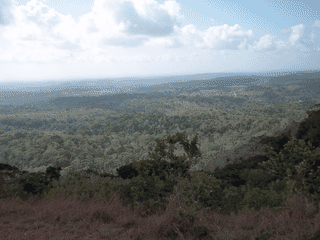

Shimba Hills National Reserve
Africa · Kenya
See also
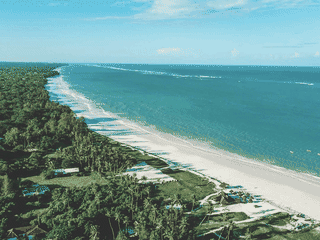

Diani Beach
Kenya4.30°S 39.58°E
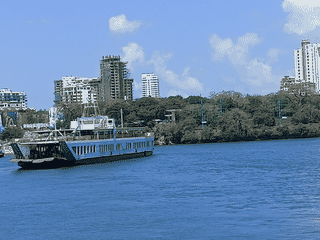

Mombasa
Kenya4.05°S 39.67°E · 50 m
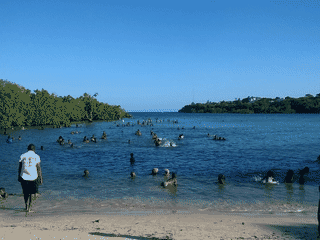

Mtwapa
Kenya3.95°S 39.74°E

Kilifi
Kenya3.63°S 39.85°E

Malindi
Kenya3.22°S 40.13°E · 0 m
.jpg)
Nungwi
Tanzania5.73°S 39.30°E
Overview
Shimba Hills National Reserve is one of the largest coastal forests in East Africa, offering lush green vegetation, steep valleys, and dramatic escarpments rarely found this close to the coast. The reserve holds Kenya's highest density of African elephants (over 600) and the country's last breeding herd of sable antelope—prizes for wildlife enthusiasts willing to venture off the standard safari circuit.
Languages: English, Swahili
Why go?
Shimba Hills National Reserve is one of the largest coastal forests in East Africa, offering lush green vegetation, steep valleys, and dramatic escarpments rarely found this close to the coast. The reserve holds Kenya's highest density of African elephants (over 600) and the country's last breeding herd of sable antelope—prizes for wildlife enthusiasts willing to venture off the standard safari circuit. At 450 m, Pengo Hill delivers one of Kenya's most spectacular panoramic views, encompassing the Tsavo plains, the Indian Ocean, and even Mount Kilimanjaro on clear days.
Adapted from Wikivoyage contributors · CC BY-SA 4.0
Getting in
Shimba Hills lies 33 km from Mombasa and 15 km inland from the coast. The most common approach is from Mombasa via the South Coast road toward Diani Beach, turning inland at Kwale. Public transport options are limited; most visitors hire a car or arrange a day trip through a Mombasa tour operator. The reserve entrance is well marked with a gate where fees are collected. Self-drivers should allow about 90 minutes from Mombasa's city center.
Adapted from Wikivoyage contributors · CC BY-SA 4.0
Fees and permits
Entry fees at the Shimba Hills gate are Adults US$25, Students and Children US$15. Payment is typically required in cash (Kenyan shillings accepted; USD also taken at the official rate). No advance booking is required for individual travelers, though tour operators often handle logistics. Rangers accompany hikers to Sheldrick Falls from 10 am to 3 pm daily at no additional charge.
Adapted from Wikivoyage contributors · CC BY-SA 4.0
When to go
The reserve is accessible year-round but the climate is hot and moist, cooler than the coast with frequent early-morning fog. Rainfall ranges from 855 mm to 1,682 mm annually. Wildlife is easiest to spot early morning or late afternoon when animals leave the forest shade to feed—during the heat of day, elephants and other creatures retreat into the dense vegetation. Bird counts peak during the spring migration season. The dry months of January–February and July–October generally offer better wildlife visibility.
Adapted from Wikivoyage contributors · CC BY-SA 4.0
Getting around
Private vehicles are permitted inside the reserve, though roads are rough and a 4x4 is advisable in wet conditions. Guided game drives can be arranged at the gate or through lodges. A 2-km footpath leads from the parking area down to Sheldrick Falls—steep, exhausting, and taking up to an hour each way; it is not suitable for people with reduced mobility. Night drives are offered as a guided activity, giving access to leopards, cheetahs, and hyenas.
Adapted from Wikivoyage contributors · CC BY-SA 4.0
Where to stay
Shimba Hills does not have major accommodation within the reserve itself. Most visitors stay in Diani Beach (roughly 20 km south) or Mombasa and make a day trip. A few basic self-catering options and campsites exist near Kwale town for those wanting an early start. Advance booking is rarely needed outside peak holiday periods.
Adapted from Wikivoyage contributors · CC BY-SA 4.0
Food and drink
There are no restaurants or cafes inside the reserve. Visitors should bring sufficient water, snacks, and packed lunches. The nearby Kwale town has basic duka (shop) options for supplies. In Diani Beach or Mombasa, fresh seafood, Swahili cuisine, and international fare are widely available.
Adapted from Wikivoyage contributors · CC BY-SA 4.0
Things to do
The reserve's signature activities center on its unique blend of forest and wildlife: hike to the top of Pengo Hill for sweeping views across Tsavo to the ocean and Kilimanjaro; descend the steep trail to Sheldrick Falls for a 25-m waterfall cascade and a cool swim; seek out the sable antelope herd grazing at Buffalo Ridge during early or late hours; and join a guided night drive to track leopards and cheetahs with hyenas calling in the darkness. Birdwatchers can tally from over 111 recorded species, with spring migration bringing additional visitors.
Adapted from Wikivoyage contributors · CC BY-SA 4.0
Buy
A distinctive souvenir available at the Shimba Hills gate is handmade paper crafted from elephant dung—a unique Kenyan craft that supports local communities. Beyond this, the nearest markets are in Kwale or Diani Beach, where handcrafted items, carved makuti (coconut palm) products, and kanga (colorful cloth) are sold.
Adapted from Wikivoyage contributors · CC BY-SA 4.0
Go next
Shimba Hills sits within Coastal Kenya and is part of the Coast Province itinerary. From here, the sandy beaches and resorts of Diani Beach lie roughly 20 km south—ideal for a post-safari cool-down. Mombasa, Kenya's historic port city with Fort Jesus, is 33 km north and offers full tourist infrastructure. The elephant sanctuary at Mwaluganje Forest connects to Shimba via a fenced elephant corridor, making a combined visit straightforward. Further afield, Tsavo East and Tsavo West National Parks are accessible by road for extended safari adventures.
Adapted from Wikivoyage contributors · CC BY-SA 4.0
Field guide adapted from Wikivoyage contributors · CC BY-SA 4.0. Text has been adapted and organized for this guide. About our sources.
Places to know
A few starting points from the guide. Check current hours and prices before you go.
- see
Birds
There are many birds, including 111 recorded species. There are even more birds to be seen during the spring migration. Bird shooting is only permitted outside the reserve.
Adapted from Wikivoyage contributors
- see
Elephants
There are more than 600 elephants in the park and a fenced elephant corridor links the park with the elephant sanctuary at Mwaluganje Forest. In addition to elephants, there are also buffalo, waterbucks, hyenas, warthogs, leopards, baboons and monkeys. Maasai giraffes and ostriches have also been reintroduced to the park.
Adapted from Wikivoyage contributors
- see
Pengo Hill
A 450-m high hill that offers a magnificent view of the surrounding landscape. On a clear day the Tsavo plains, the ocean and also the Mount Kilimanjaro can be seen.
Adapted from Wikivoyage contributors
- see
Sable antelope
The park has the last breeding herd of beautiful sable antelope in Kenya. They are among Kenya's largest antelope, with black coats and long, scimitar-shaped horns, which they were hunted for. They may be seen grazing early or late in the day around Buffalo Ridge.
Adapted from Wikivoyage contributors
- see
Sheldrick Falls
One of the main attractions to the Shimba Hills is the impressive Sheldrick Falls, which cascade 25 m over the escarpment. There is a scenic but exhausting 2-km footpath that is quite steep and takes up to an hour to walk each way (not suitable for people with reduced mobility). Take a hat, sunscreen and water to drink and keep a sharp lookout for elephants. A ranger will accompany hikers without charge from 10-3pm daily. Sheldrick Falls is an idyllic spot for a cool swim and a picnic.
Adapted from Wikivoyage contributors
- buy
Elephant dung paper
Handmade paper crafted from elephant dung, sold as a unique souvenir at the Shimba Hills gate.
Adapted from Wikivoyage contributors
- do
Night drive
Some unique things to do at Shimba Hills National Park include taking a guided night drive. You may see leopards and cheetahs, and will certainly hear the hyenas howl in the eerie darkness. You can also buy a unique souvenir at the gates, a paper that is handmade from elephant dung.
Adapted from Wikivoyage contributors
Before you go
Accommodation
No lodges inside the reserve; stay in Diani Beach (20 km south) or Mombasa (33 km north).
Fees
Adult entry is US$25; students and children pay US$15. Pay at the gate in KES or USD.
Hiking
The 2-km trail to Sheldrick Falls is steep and takes up to an hour each way; rangers accompany from 10 am–3 pm. Bring water, sunscreen, and a hat.
Transport
No public transport reaches the reserve directly; self-drive (90 min from Mombasa) or organized tour is required.
Weather
Hot and moist but cooler than the coast; fog is common in early mornings. Average temperature 24.2°C.
Wildlife
Over 600 elephants inhabit the reserve—the highest density in Kenya—but spotting them requires early or late visits as they shelter in dense forest during hot hours.