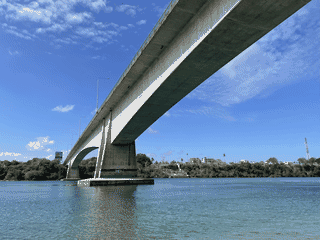

Kilifi
Africa · Kenya
See also
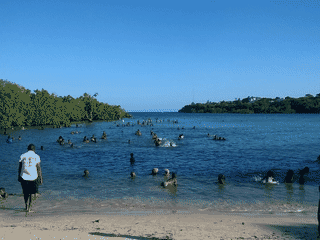

Mtwapa
Kenya3.95°S 39.74°E
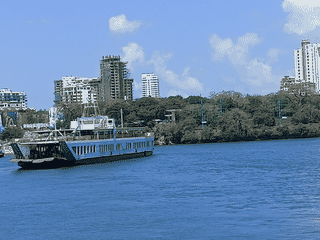

Mombasa
Kenya4.05°S 39.67°E · 50 m
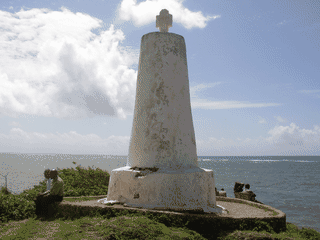

Malindi
Kenya3.22°S 40.13°E · 0 m

Diani Beach
Kenya4.30°S 39.58°E

4.27°S 39.40°E
Overview
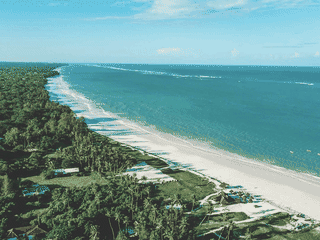
Kilifi is a small coastal town in Kenya's Kilifi County, beautifully situated on a large bay that extends 7 kilometres inland. Unlike nearby Mombasa and Malindi, it remains relatively undeveloped for tourism and is popular with young backpackers seeking an authentic 'off the beaten track' experience.
Languages: English, Swahili
Why go?
Kilifi is a small coastal town in Kenya's Kilifi County, beautifully situated on a large bay that extends 7 kilometres inland. Unlike nearby Mombasa and Malindi, it remains relatively undeveloped for tourism and is popular with young backpackers seeking an authentic 'off the beaten track' experience. The town offers a long sandy beach by the sea, several hotels, beach bars, a marina, and a chance to experience typical Swahili culture away from major tourist hotspots.
Adapted from Wikivoyage contributors · CC BY-SA 4.0
Understand
Kilifi is located approximately 56 km northeast of Mombasa and 120 km southeast of Malindi. As the capital of Kilifi County with a population of around 31,000, the town sits on the north side of Kilifi Bay. The population is cosmopolitan with mixed ethnic groups: around 80% from Mijikenda groups (mainly Giriama and Chonyi), plus Swahili-Arab descendants, Barawas, Bajunis, Somalis, and small communities of Indians and Europeans (British, Germans, Italians). Kilifi is known for its traditional Swahili culture and cuisine, as well as a vibrant music and dance scene. Long-term rental prices are relatively low, making it attractive for digital nomads and those escaping European winters.
Adapted from Wikivoyage contributors · CC BY-SA 4.0
Get in
By air: Moi International Airport in Mombasa is approximately 50 km away; taxis or matatus (minibuses) connect to Kilifi. By bus: Modern Coast, Coast Bus and Mash East Africa operate between Nairobi, Mombasa and Kilifi with journeys taking 7-8 hours depending on traffic. By train: The Madaraka Express runs between Nairobi and Mombasa with a stop at Mariakani, 30 km from Kilifi; from there take a taxi or matatu. By car: The drive takes 6-7 hours from Nairobi or 1-2 hours from Mombasa. Road conditions can be challenging during rainy season.
Adapted from Wikivoyage contributors · CC BY-SA 4.0
Get around
The town centre is small and easily walkable. For trips outside the centre, matatus (minibus taxis) operate on fixed routes and are inexpensive for destinations within and around Kilifi. Tuk-tuks (three-wheeled motorized rickshaws) are ideal for short trips around town at negotiated fares. Boda-bodas (motorcycle taxis) are best for short trips and can also be hired for a negotiated fare.
Adapted from Wikivoyage contributors · CC BY-SA 4.0
When to go
Kilifi has a tropical climate typical of Kenya's coast. The long rains typically fall from April to June, which may disrupt travel plans. The best time to visit is during the dry seasons from January to March or July to October. The town has a significant expat community of Europeans escaping winter, so peak season often coincides with European winter months.
Adapted from Wikivoyage contributors · CC BY-SA 4.0
Where to stay
Kilifi offers accommodation ranging from budget hostels to mid-range resorts. For backpackers, Distant Relatives Ecolodge & Backpackers provides dormitory and private rooms. Mnarani Beach Club and Baobab Sea Lodge offer higher-end beachfront options. Kilifi Bay Beach Resort caters to those seeking resort amenities. Prices vary seasonally, with long-term rental rates being relatively low for those wishing to stay extended periods.
Adapted from Wikivoyage contributors · CC BY-SA 4.0
Food and drink
Kilifi's cuisine focuses on fresh seafood and traditional Swahili dishes. Local restaurants like Nautilus and Distant Relatives Ecolodge serve grilled fish, prawns, calamari and lobster. Swahili cuisine (a fusion of African, Indian, and Arabic influences) features dishes like pilau rice, biryani, and samosas at Kilifi Bay Beach Resort and Mnarani Club. As a university town, Kilifi has a vibrant street food scene with cassava chips, bhajias and chapati available around the town centre and Bofa Beach. Local beers include Tusker and White Cap. Traditional drinks are mnazi (palm wine) and chang'aa (distilled spirit).
Adapted from Wikivoyage contributors · CC BY-SA 4.0
Things to do
Kilifi Creek is ideal for boating, fishing, birdwatching, and dhow rides. The Mnarani Ruins are ancient ruins of a 14th-century Swahili town with a mosque, tombs and houses. Water sports include kayaking, windsurfing, and stand-up paddleboarding. Boat tours explore Kilifi Creek and Mida Creek's mangrove forests. Beach activities and sunset cruises are popular. Cultural experiences include traditional music and dance performances and visits to local markets. For wildlife, Tsavo East National Park offers safaris with elephants, lions and buffalo, while Arabuko Sokoke Forest Reserve provides birdwatching opportunities. The Kuruwitu Marine Sanctuary offers excellent snorkelling.
Adapted from Wikivoyage contributors · CC BY-SA 4.0
Safety
Kilifi is generally considered safe for tourists, though standard precautions apply. Avoid walking alone on isolated beaches at night. Be cautious with valuables on beaches. Road conditions in Kenya can be challenging, especially during rainy season. Seek local advice before visiting remote areas. The town has Kilifi District Hospital for medical emergencies.
Adapted from Wikivoyage contributors · CC BY-SA 4.0
Connectivity
Safaricom is the recommended mobile operator in Kenya, providing the best coverage for mobile internet everywhere. Most hotels offer free WiFi for guests. SIM cards are readily available for purchase and top-up at numerous outlets throughout the town.
Adapted from Wikivoyage contributors · CC BY-SA 4.0
Day trips
Mombasa is an interesting town for a day visit, 56 km southwest. Malindi offers the best beaches with water sports and good hotels and restaurants, 120 km northwest. Mtwapa is known as the nightlife centre of the Kenyan coast. Tsavo East National Park is accessible for safari day trips. The Arabuko Sokoke Forest Reserve offers nature tours with rare bird species.
Adapted from Wikivoyage contributors · CC BY-SA 4.0
Go next
Mombasa, Kenya's second-largest city, is 56 km southwest with historical sites like Fort Jesus and diverse markets. Malindi, 120 km northwest, has the best beaches on the coast with excellent water sports facilities. Mtwapa offers vibrant nightlife and is known as the entertainment hub of the Kenyan coast. The Madaraka Express train connects Mariakani (30 km away) to Nairobi and Mombasa.
Adapted from Wikivoyage contributors · CC BY-SA 4.0
Field guide adapted from Wikivoyage contributors · CC BY-SA 4.0. Text has been adapted and organized for this guide. About our sources.
Places to know
A few starting points from the guide. Check current hours and prices before you go.
- sleep
Baobab Sea Lodge
Adapted from Wikivoyage contributors
- sleep
Distant Relatives Ecolodge & Backpackers
Adapted from Wikivoyage contributors
- sleep
Kilifi Bay Beach Resort
Adapted from Wikivoyage contributors
- sleep
Mnarani Beach Club
Adapted from Wikivoyage contributors
- eat
Baharia seafoods and grill
This simple but tasty restaurant is located at the small harbor and fish market. You can take a sunset cruise on a sailing ship from here, which is highly recommended. Don't forget swimwear.
Adapted from Wikivoyage contributors
- eat
Kilifi Boatyard
Nice simple meals with good views of the boats, gulf and bridge.
Adapted from Wikivoyage contributors
- eat
Kilifi Member's Club
A popular restaurant in green surroundings.
Adapted from Wikivoyage contributors
- eat
Kilifi Village Dishes
A Simple busy restaurant for local native dishes.
Adapted from Wikivoyage contributors
Before you go
Connectivity
Safaricom offers the best mobile coverage in Kenya. Most hotels provide free WiFi. SIM cards are widely available for purchase and top-up.
Culture
Kilifi has a cosmopolitan population with around 80% from Mijikenda groups. Traditional Swahili culture dominates with vibrant music and dance. Dress modestly when visiting local communities.
Health
Kilifi District Hospital provides local medical services. For serious medical emergencies, transfer to Mombasa may be required.
Money
Kenyan Shilling (KES) is the local currency. ATMs are available in town. Major hotels and restaurants accept credit cards, but smaller establishments may be cash-only.
Transport
Matatus (minibuses) are the main form of public transport, with fixed routes throughout the area. Tuk-tuks and boda-bodas (motorcycle taxis) are available for shorter trips at negotiated fares.
Weather
Tropical coastal climate with long rains from April to June. Best visited during dry seasons: January-March or July-October.