Riohacha
South America · Colombia
Did you know?
- Wayuu artisans sell woven mochilas along the malecón.
- Los Flamencos sanctuary near Camarones shelters pink flamingos.
- El Palabrero sculpture anchors the seafront boulevard.
See also
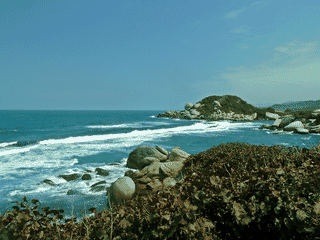

Tayrona National Park
Colombia11.32°N 74.03°W · 20 m
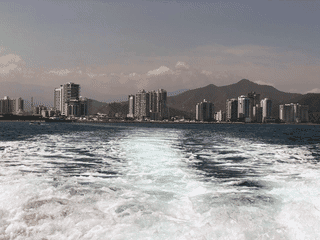

Santa Marta
Colombia11.24°N 74.21°W · 8 m
Palomino
Colombia11.24°N 73.56°W · 2 m
Minca
Colombia11.14°N 74.12°W
Taganga
Colombia11.27°N 74.19°W · 11 m
Overview
Riohacha stands where the Ranchería River meets the Caribbean Sea. Wayuu crafts and access to the desert landscapes of La Guajira shape a stay here.
Languages: Spanish
Why go?
Riohacha offers a refreshing alternative to Colombia's more touristed Caribbean destinations like Cartagena and Barranquilla. This La Guajira capital of 188,000 people sits where the Ranchería River meets the Caribbean Sea, backed by striking desert landscapes. The city serves as the main gateway to the stunning northern tip of the Guajira Peninsula, including world-class kitesurfing beaches and the ethereal sand dunes of Cabo de la Vela. Wayuu indigenous culture permeates the city through vibrant handicrafts, traditional ranchería visits, and colorful cultural monuments.
Adapted from Wikivoyage contributors · CC BY-SA 4.0
Get in
Almirante Padilla Airport handles daily flights to/from Bogotá on Avianca and LATAM. Taxis are readily available from the airport into the city. Overland, the Terminal de Transporte connects Riohacha to major Colombian cities via bus. From Santa Marta the journey takes around 3-4 hours. From Maicao on the Venezuelan border, buses run frequently. Colectivos depart for Uribia, the jumping-off point for Cabo de la Vela.
Adapted from Wikivoyage contributors · CC BY-SA 4.0
Get around
Downtown Riohacha is very walkable within a ten-block radius of the oceanfront. Taxis are easy to hail for longer distances. Mototaxis serve areas outside the old centre but cannot enter the historic core—only taxi cars may do so.
Adapted from Wikivoyage contributors · CC BY-SA 4.0
When to go
The best time to visit is December through March when dry weather prevails and winds make kitesurfing ideal. Summer months (June-August) bring heat and some rain. The Battle of Laguna Salada commemoration on May 25th offers cultural insight. Off-season (typically April-November) can yield accommodation discounts up to 60%.
Adapted from Wikivoyage contributors · CC BY-SA 4.0
Where to stay
Accommodation options are surprisingly varied. The beachfront features several mega-hotels, often dated but offering ocean views. East of the bus terminal you'll find budget-friendly bunkhouses and hostels popular with backpackers. Air conditioning is strongly recommended given the intense Caribbean heat. Hostel hubs cluster near the main plaza and beach area, with dorm beds from COP$25,000-30,000.
Adapted from Wikivoyage contributors · CC BY-SA 4.0
Food and drink
Street food is abundant, especially in the mornings. Don't miss Riohacha's fresh shrimp cocktails and empanadas from vendors along the malecón. For sit-down meals, NOA Restaurante offers excellent value with a main dish, soup, and drink from COP$8,000. Captain Marino serves three shrimp empanadas for COP$10,000. Restaurante BrasaMar overlooking the beach has spaghetti bolognese for COP$17,000. Local Aguila beer flows on tap at the string of bars and small clubs along the oceanfront.
Adapted from Wikivoyage contributors · CC BY-SA 4.0
Things to do
The malecón along Calle 1ra is the social heart—buy Wayuu mochilas directly from artisans and enjoy fresh ceviche. The 9-meter Identity monument and El Palabrero sculpture anchor the tourist boulevard. Kitesurfing and windsurfing are excellent, particularly in afternoons, with local sailors welcoming new participants. The Los Flamencos Fauna and Flora Sanctuary in Camarones (20 km away) shelters pink flamingos. Cultural immersion opportunities include visiting Wayuu rancherías outside town or exploring the Ranchería River delta at Valle de los Cangrejos.
Adapted from Wikivoyage contributors · CC BY-SA 4.0
Buy
ATMs are available throughout the city, including at BBVA Bank near the beach. The primary shopping draw is Wayuu handicrafts—mochilas (woven bags), hammocks, and textiles sold along the malecón. Prices are typically negotiable at market stalls. The boulevard is the best place to buy directly from Wayuu artisans.
Adapted from Wikivoyage contributors · CC BY-SA 4.0
Safety
Riohacha is generally safe for tourists but standard urban precautions apply. Some areas east of the bus terminal cater to long-term displaced guests from Colombia's conflict zones—be aware of your surroundings. The beach is the safest area for evening walks. Avoid walking alone on poorly lit streets at night. When visiting remote areas like rancherías or Laguna Salá, travel with a reputable guide or agency.
Adapted from Wikivoyage contributors · CC BY-SA 4.0
Go next
The main backpacker draw is the northern La Guajira Peninsula—specifically Cabo de la Vela and Punta Gallinas with their otherworldly sand dunes and crystal waters. Hostels like Bona Vida and Hammocks Hostel can arrange onward colectivo transport to Uribia. Day trips to the Los Flamencos sanctuary at Camarones are easily arranged. Santa Marta and the Parque Nacional Natural Tayrona are 3-4 hours south by bus. Maicao provides crossing options to Venezuela if venturing across the border.
Adapted from Wikivoyage contributors · CC BY-SA 4.0
Field guide adapted from Wikivoyage contributors · CC BY-SA 4.0. Text has been adapted and organized for this guide. About our sources.
Places to know
A few starting points from the guide. Check current hours and prices before you go.
- sleep
Bona Vida Hostel
It is one block from the main plaza. Run by a great couple, they can tell you how to get to Cabo de la Vela and Punto Gallinas and can call one of the colectivos to pick you up from the door to take you to Uribia. Free breakfast and coffee, fast wifi, common room, lockers. The dorm is for COP$30,000 and without A/C.
Adapted from Wikivoyage contributors
- sleep
Casa Patio Bonita
Opened in 2013 by a Canadian expat and his Colombian wife. The different rooms are around a nice courtyard, where the breakfast is being served. The owners help you with organizing tours to La Guajira.
Adapted from Wikivoyage contributors
- sleep
El Castillo del Mar
Great German-owned hotel on the west side of the beach. At the hotel there is a branch of Kai Ecotravel, who was the first offering La Guajira tours for the big public.
Adapted from Wikivoyage contributors
- sleep
Hammocks Hostel
Hammocks for 18.000$ or bed in a dormitory for 25.000$ (both with A/C and fans). You can use the kitchen. People on the reception are really kind and can help you organizing tours to Cabo la Vela and other places.
Adapted from Wikivoyage contributors
- sleep
Hotel International
Wifi available in reception. Opposite the market, 3 blocks east of the bus terminal, take a left just after the park. The hotel is tucked between a few jewelry stores, it might be easier to find at night as the shops that flank the entrance are closed.
Adapted from Wikivoyage contributors
- sleep
Nueve Uno Hostel
With air conditioning and directly at the beach and the plaza. Dorm beds are for COP$30,000 and have a roller blind.
Adapted from Wikivoyage contributors
- eat
Captain Marino
Here you get three pieces of empanadas filled with shrimps for COP$10,000
Adapted from Wikivoyage contributors
- eat
NOA Restaurante
It's a delicious Colombian simple restaurant. They have a good variety of meat. A main dish plus soup and drink is from COP$8,000 . It's open from lunch time until 11:30PM. On Wednesdays it's closed.
Adapted from Wikivoyage contributors
Before you go
Connectivity
SIM cards available from major Colombian providers. WiFi present in most hostels and cafes. Confirm coverage with your accommodation for La Guajira's remote northern areas.
Culture
Wayuu indigenous culture dominates. Respectful behavior expected when visiting rancherías. Many artisans sell directly on the malecón. Traditional dance and cuisine available through cultural tours.
Money
ATMs widely available throughout Riohacha. Carry some cash for street vendors and smaller establishments. BBVA Bank has two ATMs near the beach. Cards accepted at mid-range restaurants but not at street stalls.
Packing
Light, breathable clothing essential. Rash guard and water shoes recommended for beach activities. Headlamp useful for evening walks. Cash belt for carrying pesos.
Transport
Walkable downtown area. Taxis cheap for longer distances. Mototaxis restricted from entering old centre. Colectivos depart from city for Uribia (gateway to Cabo de la Vela).
Visa
Most nationalities receive 90-day entry for tourism. Check current Colombian visa requirements before travel.
Weather
Hot year-round (30-35°C). Dry season December-March ideal for most activities. Kitesurfing season follows the wind patterns. Air conditioning strongly recommended for accommodation.