Palomino
South America · Colombia
Did you know?
- Tubing trips lead toward a small beach at the Caribbean river mouth.
- Evening vendors sell empanadas and cheese sticks along Highway 90.
- Snowy Sierra Nevada peaks can be seen from the river bridge around dawn.
See also
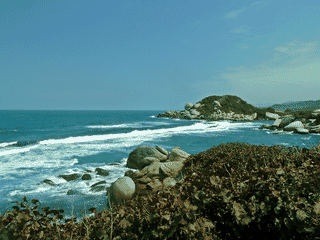

Tayrona National Park
Colombia11.32°N 74.03°W · 20 m
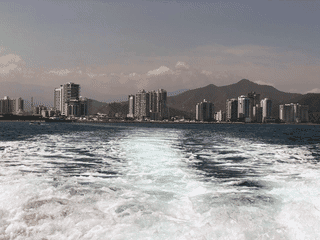

Santa Marta
Colombia11.24°N 74.21°W · 8 m
Minca
Colombia11.14°N 74.12°W
Taganga
Colombia11.27°N 74.19°W · 11 m
Riohacha
Colombia11.54°N 72.91°W · 5 m
Overview
Palomino is a Caribbean backpacker town below the Sierra Nevada. River tubing and surfing shape the outdoor appeal of its coast and river mouth.
Languages: Spanish
Why go?
Palomino sits where the Sierra Nevada de Santa Marta's snow-capped peaks meet the Caribbean Sea—a rare Colombian landscape. The town draws backpackers for tubing the Rio Palomino, surfing, and visiting indigenous communities like Seiviaka, Gumake, and Kasakumake. Since October 2021, it has emerged as an alternative backpacker destination with a relaxed, bohemian vibe. The main beach has eroded significantly, but smaller beaches are accessible via Carrera 8 or the river mouth.
Adapted from Wikivoyage contributors · CC BY-SA 4.0
Get in
Palomino lies at kilometer 72 on the Caribbean Highway (Via Santa Marta - Riohacha). From Santa Marta's Terminal de Transporte, intercity buses (Expreso Brasilia, Unitransco, Rapido Ochoa) cost COP$17,000–29,000 with 1 hour 45 minute travel time—ask for air conditioning. Medium-sized white buses depart from the Plaza de Mercado (Calle 11, Carrera 16) every 15 minutes until 18:00 for COP$10,000 without AC; these can be flagged down anywhere along the route. From Riohacha, buses cost around COP$23,000; from Barranquilla, around COP$48,000 (all prices September 2021).
Adapted from Wikivoyage contributors · CC BY-SA 4.0
Getting around
Palomino is small enough to explore on foot. Mototaxis serve local routes—for example, the round-trip to Mingueo (20 km east) costs COP$10,000 (February 2021). Taxis are also available. The beach areas are reached via Carrera 6 heading toward the ocean or Carrera 8 for more beach options.
Adapted from Wikivoyage contributors · CC BY-SA 4.0
When to go
High season coincides with Christmas and New Year—when expect heavy crowds and intense competition for accommodation. The shoulder seasons offer fewer tourists and lower prices. Early mornings (5-6 AM) provide the best views of the snow-capped Sierra Nevada peaks. Palomino attracts an alternative backpacker crowd year-round, with a generally relaxed atmosphere.
Adapted from Wikivoyage contributors · CC BY-SA 4.0
Where to stay
Tourism infrastructure is rapidly developing along the road to the beach, with hostels offering cabanas, rooms, and hammocks. Notable options include The Dreamer Hostel (a few meters from the beach with pool, advance reservations required), Tiki Hut Hostal (second row with small pool opposite The Dreamer), La Sirena Eco Hotel & Yoga (beachfront with yoga), and Finca la Jorara (11 km west). High season requires advance booking due to rapid development not yet matching demand.
Adapted from Wikivoyage contributors · CC BY-SA 4.0
Food and drink
Center restaurants along Carrera 6 serve dishes from COP$10,000 (October 2021). Street food peaks in the evening along Highway 90 between Carrera 2 and 7, with empanadas and cheese sticks for COP$1,000-2,000. A food stall until noon offers rice dishes with drink for COP$3,000. King of Kings on Highway 90 serves salchipapas from COP$7,000, hamburgers from COP$9,000, hot dogs from COP$5,000, and whole pizzas from COP$10,000 (open until 22:30). A nearby bakery sells pizza slices for COP$1,500-2,000 and cheese braid for COP$2,000. Meat quality in small shops is inconsistent as of October 2021; a butcher's shop is on Highway 90.
Adapted from Wikivoyage contributors · CC BY-SA 4.0
Things to do
Tubing on Rio Palomino is the signature activity. Surfing and bodyboarding are popular. Ecological walks into the Sierra Nevada offer mountain views—the snow-capped peaks are most visible at 5-6 AM from the western town exit or the river bridge. Visits to indigenous communities (Seiviaka, Gumake, Kasakumake) provide cultural immersion. The main beach is mostly eroded, but Carrera 8 leads to better beaches and an adventurous walk to Rio San Salvador, known for its pristine condition and exotic wildlife. A small beach exists at the Rio Palomino mouth—accessible by tubing or walking Carrera 1, but beware strong currents where the river meets the sea.
Adapted from Wikivoyage contributors · CC BY-SA 4.0
Safety
Take care of strong currents where Rio Palomino flows into the Caribbean Sea—the river mouth is dangerous for swimming. The area sees indigenous groups and fishermen—respect their daily activities. No ATM exists in Palomino (as of February 2021), so bring sufficient cash. Tourism infrastructure is still developing, so some areas may lack amenities.
Adapted from Wikivoyage contributors · CC BY-SA 4.0
Connectivity
Mobile coverage is available via Colombian carriers. WiFi is typically found at hostels and some restaurants. Power outlets use Colombian standard (Types A/B, 110V/60Hz).
Adapted from Wikivoyage contributors · CC BY-SA 4.0
Budget
Palomino is a budget destination. Bus from Santa Marta: COP$10,000-29,000. Street food meals: COP$1,000-2,000. Restaurant dishes: COP$6,000-10,000. Accommodation in hostels/hammocks is affordable, especially off-season. The main expense is transport if arriving from distant cities like Barranquilla (COP$48,000).
Adapted from Wikivoyage contributors · CC BY-SA 4.0
Day trips
Tayrona National Park is an unspoiled natural paradise with jungle, birds, ocean, and gorgeous beaches—accessible via Highway 90 through villages like El Zaino, Calabazo, Los Naranjos, and Las Tinajas (no entry fee needed on the highway). Mingueo, 20 km east, has a Bancolombia ATM. The Sierra Nevada mountain town of Minca (580m elevation, cooler climate) is reachable for day trips. Guachaca (32 km west) and Buritaca (25 km west) offer less touristy beaches along rivers.
Adapted from Wikivoyage contributors · CC BY-SA 4.0
Go next
East along the coast: Riohacha (90 km)—a beach town surrounded by desert. Dibulla (36 km) and Camarones (72 km). West: Guachaca (32 km) with intact beaches; Buritaca (25 km) at a river. Inland: Minca (mountain town at 580m, cooler climate). South via Highway 90: El Zaino, Calabazo, Los Naranjos, Las Tinajas, and access to Tayrona National Park. Santa Marta is the main transport hub. Taganga is a backpacker/hippie haven in a former fishing village.
Adapted from Wikivoyage contributors · CC BY-SA 4.0
Field guide adapted from Wikivoyage contributors · CC BY-SA 4.0. Text has been adapted and organized for this guide. About our sources.
Places to know
A few starting points from the guide. Check current hours and prices before you go.
- sleep
Finca la Jorara
11km west of Palomino.
Adapted from Wikivoyage contributors
- sleep
La Sirena Eco Hotel & Yoga
A little further along the beach the famous yoga hotel offers decent rooms.
Adapted from Wikivoyage contributors
- sleep
The Dreamer Hostel
Reservations should be made in advance. A few meters from the beach, with a pool, pool table.
Adapted from Wikivoyage contributors
- sleep
Tiki Hut Hostal
Cabanas opposite the "Dreamer Hostal" in second row with a small nice pool.
Adapted from Wikivoyage contributors
- eat
King of Kings
Adapted from Wikivoyage contributors
- eat
Local simple restaurant
It's good tasting and offers dishes with meat for COP$6,000 (Oct 2021). With fish it's COP8,000 (Oct 2021). Adding a soup and drink is COP$2,000 extra. They serve until 15:30.
Adapted from Wikivoyage contributors
- eat
bakery with delicious pizza
Adapted from Wikivoyage contributors
- eat
food stall until noon
It sells a good tasting rice dish and drink for COP$3,000 altogether (Oct 2021).
Adapted from Wikivoyage contributors
Before you go
Accommodation
Rapidly developing infrastructure along beach road. Hostels, cabanas, hammocks available. Book ahead for high season. Options include The Dreamer Hostel, Tiki Hut Hostal, La Sirena Eco Hotel.
Food
Street food along Highway 90 evening hours. Empanadas and cheese sticks COP$1,000-2,000. Restaurant dishes COP$6,000-10,000. Butcher shop on Highway 90.
Money
No ATM in Palomino as of February 2021. The nearest ATM is in Mingueo (20 km east) at Bancolombia. Bring sufficient cash for your stay.
Safety
Strong currents at river mouth where Rio Palomino meets the Caribbean. Main beach has eroded significantly.
Transport
Buses from Santa Marta (COP$10,000-29,000), Riohacha (COP$23,000), and Barranquilla (COP$48,000). White buses run every 15 minutes until 18:00. Mototaxis for local trips like Mingueo round-trip (COP$10,000).
Weather
Best mountain views (snow-capped peaks) early morning (5-6 AM). High season crowds December-January. Hot Caribbean climate year-round.