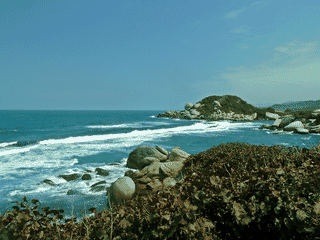

Tayrona National Park
South America · Colombia
Did you know?
- A reef forms the natural pool at La Piscina.
- Tropical dry forest and coral reefs share the protected coastal landscape.
- The park takes its name from an Indigenous civilization that predates Spanish colonization.
See also
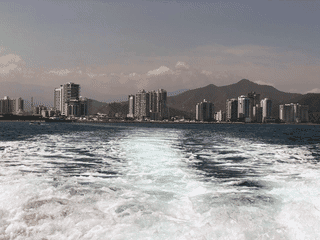

Santa Marta
Colombia11.24°N 74.21°W · 8 m
Taganga
Colombia11.27°N 74.19°W · 11 m
Minca
Colombia11.14°N 74.12°W
Palomino
Colombia11.24°N 73.56°W · 2 m
Barranquilla
Colombia10.96°N 74.80°W · 18 m
Overview
Caribbean beaches and jungle trails define Tayrona National Park. Hammock camping offers a simple way to linger along the coast.
Languages: Spanish
Why Go
Tayrona National Park offers some of South America's loveliest Caribbean coastline with pristine beaches, dense jungle trails, and unique hammock camping experiences. Unlike crowded resort destinations, this park provides a raw, natural experience where you can swim in natural pools, spot wildlife, and hike to indigenous archaeological sites. The park is perfect for backpackers seeking beach relaxation combined with light trekking, all within easy reach of Santa Marta.
Adapted from Wikivoyage contributors · CC BY-SA 4.0
Understand
Tayrona National Park covers the Sierra Nevada de Santa Marta coastal region, protecting important Caribbean ecosystems including beaches, coral reefs, and tropical dry forest. The park is named after the Tayrona people, an indigenous civilization who inhabited the area before Spanish colonization. Their legacy includes the archaeological site El Pueblito, a smaller relative of the famous Ciudad Perdida. The park entrance is at El Zaino, and most tourist facilities are concentrated in the eastern sector.
Adapted from Wikivoyage contributors · CC BY-SA 4.0
Climate
The park experiences tropical temperatures ranging from 25°C to 30°C year-round, though elevation and location create microclimates. There are two distinct rainy seasons: May to June and September to November. The climate is best described as temperate and hot, with high humidity along the coast. Dry season (December to April) offers the most comfortable hiking conditions but also draws larger crowds.
Adapted from Wikivoyage contributors · CC BY-SA 4.0
Getting In
Most visitors enter through El Zaino entrance, located on Highway 90 between Santa Marta (36 km), Palomino (63 km), and Riohacha (134 km). Public buses from Santa Marta to Palomino or Riohacha can drop you at the entrance gate. From Santa Marta, shared taxis or buses run regularly. The park entrance fee is COP$62,000 for foreigners during low season and COP$73,500 during high season (as of March 2023). Advance booking is available through the official park website to avoid queues, as visitor numbers are limited.
Adapted from Wikivoyage contributors · CC BY-SA 4.0
Fees and Permits
The entrance fee for foreigners is COP$62,000 during low season and COP$73,500 during high season (March 2023). Colombians pay reduced fees that vary by age and birthplace. In addition to the entry fee, visitors must pay COP$6,000 insurance per day spent in the park, which funds seven first-aid tents throughout the area. Booking online is recommended to secure entry, as daily visitor caps are enforced. All bags are checked for drugs and glass bottles at park entrances.
Adapted from Wikivoyage contributors · CC BY-SA 4.0
Getting Around
Private vehicles cannot go past El Zaino; a jeep or truck runs the 4-km road to Cañaveral for COP$2,000 per person. From Cañaveral, it's a 45-minute to 1-hour hike to Arrecifes along a muddy trail (hiking boots recommended). Mules and donkeys can be hired to carry luggage to Arrecifes for about COP$20,000. The hike from Arrecifes to La Piscina takes 15-20 minutes along the beach, and another 30-40 minutes to El Cabo. For navigation, OsmAnd and Mapy.cz provide better coverage than Google Maps.
Adapted from Wikivoyage contributors · CC BY-SA 4.0
See
The park's main attractions are distributed along the eastern coastline. El Zaino serves as the main entrance point where guides offer cheaper tours. Cañaveral is the only area accessible by vehicle and features a campground with exclusive cabanas. Arrecifes offers the most budget accommodation options and serves as the main hub. La Piscina features a reef forming a natural swimming pool, the safest swimming spot. El Cabo San Juan de la Guía has spectacular twin beaches separated by rocky outcrops and hosts the park's most popular campground. El Pueblito is an archaeological site, though the trail has been closed since March 2019.
Adapted from Wikivoyage contributors · CC BY-SA 4.0
Do
Swimming is safe only at La Piscina, where a reef creates a natural pool protected from strong currents. Swimming is prohibited at Arrecifes due to dangerous riptides. Snorkeling at El Cabo offers good visibility with tropical fish and marine life visible near rocks and the reef. Visitors can also hike to indigenous villages in the nearby mountains with local guides, though the main trail requires planning. Bird watching and wildlife observation are popular along the jungle trails.
Adapted from Wikivoyage contributors · CC BY-SA 4.0
Eat
Food inside the park costs significantly more than elsewhere in Colombia due to transportation expenses. Average meals run COP$50,000, while a can of Coke costs COP$6,000, a beer COP$7,000, and a 1-liter water bottle COP$7,000. Local restaurants at Arrecifes, El Cabo, and La Piscina serve seafood dishes, grilled fish with rice and salad, and pataconés (fried plantain pancakes). Breakfast typically features scrambled eggs with fresh bread. A bakery between La Piscina and Arrecifes sells fresh bread with cheese or chocolate filling. On the hike to Arrecifes, Jenna campsite makes excellent chocolate bread for just COP$2,000.
Adapted from Wikivoyage contributors · CC BY-SA 4.0
Drink
The restaurant at Arrecifes serves freshly squeezed tropical juices, with popular mixes combining lulo (a fleshy yellow Caribbean fruit) with banana or maracuya (passion fruit). The restaurant at El Cabo includes a bar serving cocktails for around COP$25,000-30,000. Fresh coconut water is available from vendors on the beach. Note that prices inside the park are substantially higher than Colombian standards, with beer and water both around COP$7,000.
Adapted from Wikivoyage contributors · CC BY-SA 4.0
Sleep
Accommodation options range from basic camping to luxury ecohabs. At Cañaveral, Camping Castilletes offers beachfront camping, while Yuluka provides camping (COP$11,500), hammocks (COP$20,000), and luxury cabanas from COP$350,000. Arrecifes has Camping Don Pedro with camping from COP$8,000-12,000, hammocks COP$10,000, and cabanas for COP$80,000. El Cabo San Juan de la Guía is the most popular spot, with camping from COP$30,000, hammocks COP$40,000-50,000, rented tents COP$40,000-80,000, and cabanas COP$200,000. Breakfast, lunch, and dinner are available at the El Cabo restaurant for COP$15,000-40,000 per meal. Electricity is limited to a few hours daily at El Cabo.
Adapted from Wikivoyage contributors · CC BY-SA 4.0
Stay Safe
Swimming is prohibited at Arrecifes due to strong, dangerous riptides; always head to La Piscina for safe ocean swimming. Local thieves have been known to check if tent occupants are asleep before stealing belongings; use lockers, keep valuables close, or leave valuables behind. The jungle trails can become muddy and slippery, especially during rainy season; wear hiking boots or trainers. Bring sufficient water as prices inside the park are high. Seven first-aid tents are distributed throughout the park, funded by the daily insurance fee.
Adapted from Wikivoyage contributors · CC BY-SA 4.0
Go Next
Several villages south of the park along Highway 90 offer budget accommodation without park entrance fees: Las Tinajas, Calabazo, El Zaino, and Los Naranjos. Guachaca lies at a river near an unspoiled beach. Buritaca is located east along another river. Taganga, a former fishing village now famous with backpackers and hippies, is just north of Santa Marta. Minca sits 20km south of Santa Marta at 580m elevation in the Sierra Nevada mountains. Santa Marta itself is the major city hub. Palomino is 45km away with laid-back beach vibes.
Adapted from Wikivoyage contributors · CC BY-SA 4.0
Field guide adapted from Wikivoyage contributors · CC BY-SA 4.0. Text has been adapted and organized for this guide. About our sources.
Places to know
A few starting points from the guide. Check current hours and prices before you go.
- sleep
Cabin Tayrona Park
From Cañaveral you can also go in the opposite direction, and instead of the ecohabs you will arrive to the beach of Castilletes, which is a beach without any crowds and you get a nice ensuite room for 60'000 per person.
Adapted from Wikivoyage contributors
- sleep
Camping Cabo San Juan de la Guía
One of the most popular spots to stay the night. There is a large campground facing a pair of spectacular beaches separated by a rocky outcrop. You can either stay in hammocks, a rented or your own tent, or a cabaña. There is also a two-story wooden bungalow on the rocky point. This features two simple rooms with double beds on the top floor, and a bottom floor with premium hammock space for rent. Common toilets and showers are available. Breakfast, lunch, and dinner are served at the restaurant, meals are COP$15,000–40,000. Electricity is only available for a few hours a day, but if so you can even pay with a credit card.
Recorded price: Camping with your own tent: COP$30,000. Hammock: COP$40,000/50,000 normal/premium. Rented Tent: COP$40,000/80,000 s/d. Cabaña: COP$200,000
Adapted from Wikivoyage contributors
- sleep
Camping Castilletes
Adapted from Wikivoyage contributors
- sleep
Camping Don Pedro
A good choice in Arrecifes with a plenty of space under fruit trees. Cooking is possible, but there is also a decent restaurant with mains from COP$12,000.
Recorded price: COP$12,000 if you don't bring your tent, COP$8000 if you do. A hammock costs COP$10,000 per night and a cabaña for 2 costs COP$80,000
Adapted from Wikivoyage contributors
- sleep
Ecohabs Tayrona
Luxury accommodation with small or big huts from COP$800,000 night/double occupation including taxes and breakfast
Adapted from Wikivoyage contributors
- sleep
Finca Barlovento
One of the tourist's favourite cabanas next to the Tayrona Park is Finca Barlovento, with an amazing setting between the river and the Sea.
Adapted from Wikivoyage contributors
- sleep
Finca El Paraíso
Finca El Paraíso is the closest to the sea. It is a campsite with a restaurant. Hammocks are available.
Adapted from Wikivoyage contributors
- sleep
Las Pleyades
Las Pleyades offers also accommodation options outside the Tayrona National park at lower prices, but not more than 10 minutes by bus or car from the main entrance of Cañaveral or Pueblito in Calabazo.
Adapted from Wikivoyage contributors
Before you go
Connectivity
Mobile coverage is limited inside the park. WiFi is generally unavailable except at some upscale accommodations. Download offline maps (OsmAnd, Mapy.cz) before entering.
Food
Budget COP$50,000+ per meal inside park. Bring snacks or buy bread (COP$2,000) from bakeries. Outside the park, food prices are much lower.
Money
Prices inside the park are significantly higher than Colombian standards. Carry cash as credit cards are rarely accepted except at upscale establishments during limited electricity hours.
Packing
Bring cash, sufficient water, hiking boots, reef-safe sunscreen, mosquito repellent, and a headlamp. Waterproof bags recommended for beach areas.
Safety
No swimming at Arrecifes due to riptides. Use lockers for valuables. Hiking trails get muddy; wear proper footwear. Seven first-aid tents throughout park.
Transport
Public buses from Santa Marta to Palomino or Riohacha stop at El Zaino entrance. Jeep transport within park costs COP$2,000 to Cañaveral. Hiking is the main way to reach most attractions.
Weather
Tropical climate year-round (25-30°C) with rainy seasons May-June and September-November. Dry season (December-April) is best for hiking but most crowded.