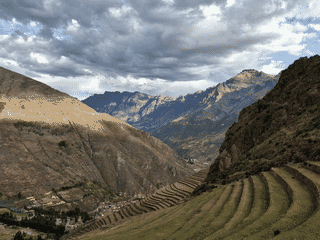

Pisac
South America · Peru
Did you know?
- Colonial bakeries use traditional wood-fired ovens for snacks and lunch.
- Iglesia San Pedro Apóstolo stands on Inca foundations and was rebuilt after the 1950 earthquake.
- The Sunday market shares the week with smaller Tuesday and Thursday markets.
See also
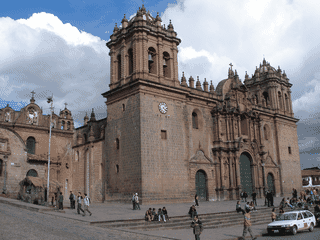

Cuzco
Peru13.53°S 71.97°W · 3,399 m
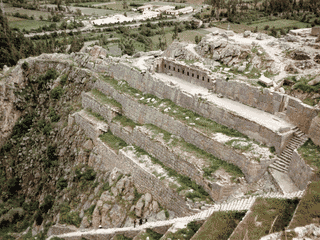

Ollantaytambo
Peru13.25°S 72.27°W · 2,792 m
.jpg)
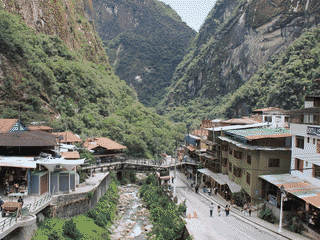
Aguas Calientes
Peru13.15°S 72.52°W · 2,040 m
.jpg)
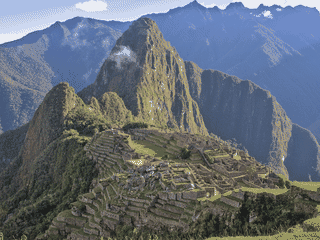
Machu Picchu
Peru13.16°S 72.55°W · 2,430 m
Chinchero
Peru13.39°S 72.05°W · 3,754 m
Urubamba
Peru13.30°S 72.12°W · 2,870 m
Overview
A traditional Sacred Valley town sits below Inca ruins on a steep mountain ridge. Its Sunday market and archaeological setting give visitors distinct reasons to linger.
Languages: Aymara, Quechua, Spanish
Why Go
Pisac is a small traditional town at the eastern end of the Sacred Valley of the Incas, about 35 km from Cusco. While best known for its Sunday market, the main attraction is the magnificent Inca ruins overlooking the town from high on a mountain ridge. The ruins offer spectacular vertiginous views of the Sacred Valley that many visitors arrive unprepared for. Unlike Machu Picchu, visitors can wander anywhere they like and once clear of the tour bus visitors who cluster at the top entrance, you will find very few other people around. Pisac is 428 metres lower in altitude than Cusco, making it an ideal first overnight stay after flying into the area.
Adapted from Wikivoyage contributors · CC BY-SA 4.0
Getting In
Pisac is approximately 35 km from Cusco along the Sacred Valley road. The most common way to reach Pisac is by taxi or collectivo (shared van) from Cusco. Taxis in Pisac charge S/25 for a one-way ride up to the archaeological park. Mototaxis offer shorter trips around town for local transport within Pisac itself.
Adapted from Wikivoyage contributors · CC BY-SA 4.0
Getting Around
The town is small enough for walking. Even in the less touristy parts of town, such as the main drag down by the river, you will generally find taxi drivers trolling for fares. If you don't come across one on the street, go to the taxi cooperative office located just in front of the bridge on Avenida Amazonas. Taxis charge S/25 for a one-way ride up to the archaeological park. Mototaxis offer short trips around town.
Adapted from Wikivoyage contributors · CC BY-SA 4.0
When To Go
Pisac has two seasons: dry (April to October) and rainy (November to March). In the dry season, days are often sunny but temperatures drop once the sun goes down and early mornings can be quite chilly. In the rainy season (February is the worst), cloud-covered skies are the norm while rainfall ranges from light showers to heavy downpours, though night temperatures are slightly warmer. Carry an umbrella or poncho since rains are unpredictable. During rainy season, paths around the Pisac Archaeological Park can be slippery with occasional landslides that can close paths and prevent access to some areas. Temperature in the town varies from 2°C to 21°C year-round.
Adapted from Wikivoyage contributors · CC BY-SA 4.0
Things To Do
The Inca ruins of Pisac Archaeological Park are the main attraction, perched on a mountain ridge overlooking the town with spectacular views of the Sacred Valley. The extensive Inca terracing demonstrates remarkable engineering. The Iglesia San Pedro Apóstolo on Plaza Constitución was built on Inca foundations and rebuilt after the 1950 earthquake, featuring colonial-era paintings and a Quechua-language mass on Sundays at 11:00. The Jardín Botánico (Calle Grau 485) showcases 200 varieties of Peruvian potatoes and native plants in a 1917 colonial garden. The Museo Comunitario de Pisac (Avenida Amazonas 133) exhibits ceramics, traditional textiles, and covers Inca Pisac's development from 7000 years before Christ to 1535. The new river-side promenade is unspoiled, pleasant, and uncrowded.
Adapted from Wikivoyage contributors · CC BY-SA 4.0
Buy
In the streets surrounding the main plaza, there are many small shops selling local handcrafts including alpaca goods, artwork, crystals, silver jewellery combined with gemstones, rugs, and various knick-knacks. The famous Sunday market is the largest and most diverse, though smaller markets also occur on Tuesdays and Thursdays. Bargaining is expected.
Adapted from Wikivoyage contributors · CC BY-SA 4.0
Food And Drink
The streets near the main plaza are lined with overpriced restaurants serving mediocre fare; restaurants may double their prices for tourists. For authentic budget eating, the excellent hornos coloniales (colonial bakeries) use traditional wood-fired ovens for snacks and lunch. In the back left-hand corner of the Pisac Mercado, food stands serve locally prepared Peruvian vegetarian food with soup and four to five traditional dishes for S/5. For nightlife, Sapo's Lounge on Calle Espinar is the only place to get a drink, serving the best pizza in town with large pizzas from S/24, salads from S/15, and cocktails, beer, and wine.
Adapted from Wikivoyage contributors · CC BY-SA 4.0
Where To Stay
Accommodation options in Pisac include ChaskaWasi, a beautiful hostel by the river with common kitchen, dining area, garden, and meditation room. Hospedaje Inti on Calle Espinar is a family-run hostel two minutes from the main square with clean simple rooms, a nice courtyard, and shared bathroom options starting at S/10 for a single. Melissa Wasi is a family-run guesthouse a short walk from town with wonderful views, a huge garden, common kitchen, and very nice hosts.
Adapted from Wikivoyage contributors · CC BY-SA 4.0
Safety
Pisac is a very safe town, but you should be careful when walking around the crowded market due to pickpockets. Due to the town's isolation, it is prudent to ensure you are clear of the Inca ruins before nightfall to avoid making yourself a target. During rainy season, paths can be slippery and landslides occasionally occur, so check conditions before hiking.
Adapted from Wikivoyage contributors · CC BY-SA 4.0
Day Trips
On the way to Ollantaytambo from Pisac or as a day excursion, visit Moray, the agricultural laboratory of the Incas with its remarkable circular terraced depressions. From Pisac, you can travel on to explore the rest of the Sacred Valley and Machu Picchu before finishing your visit in Cusco.
Adapted from Wikivoyage contributors · CC BY-SA 4.0
Go Next
From Pisac, you can travel onwards to explore the rest of the Sacred Valley including Ollantaytambo and ultimately Machu Picchu before finishing your visit in Cusco. Moray is a recommended day trip detour en route to Ollantaytambo.
Adapted from Wikivoyage contributors · CC BY-SA 4.0
Field guide adapted from Wikivoyage contributors · CC BY-SA 4.0. Text has been adapted and organized for this guide. About our sources.
Places to know
A few starting points from the guide. Check current hours and prices before you go.
- sleep
ChaskaWasi
A beautiful hostel by the river. Includes common kitchen and dining area, garden and mediation room
Adapted from Wikivoyage contributors
- sleep
Hospedaje Inti
This family run hostel has clean simple rooms and a nice courtyard to relax in. Situated two minutes walk from the main square, yet just enough out of the way to be quiet.
Recorded price: Room with shared bathroom, single US$10, double $18. Double room with ensuite US$20. twin room with ensuite US$25
Adapted from Wikivoyage contributors
- sleep
Melissa Wasi
This family-run guesthouse is a short walk from the town. It has a wonderful view, huge garden, common kitchen, dining area, common area, and very nice hosts.
Adapted from Wikivoyage contributors
- eat
Apu Organic
With the exception of the honey it serves fresh vegan juices, salads, burgers, Andean stew, raw cakes, etc.
Adapted from Wikivoyage contributors
- eat
Blue Llama
A popular restaurant on the main plaza, this is also very touristy and overpriced. The food is very good, however, and the colourful decor featuring work by the well-known mural artist Isabel Decencierre is pleasant. There is an ATM inside.
Recorded price: Breakfast from S/15. Lunch menu from S/25
Adapted from Wikivoyage contributors
- eat
Café Mullu
This stylish rustic place specializes in Andean fusion fare. Vegetarian friendly with vegan and gluten free options. Popular during lunch time.
Adapted from Wikivoyage contributors
- eat
Sapos Lounge
There are not many night time places, but this the reputation of being the liveliest. They have a bar offering cocktails, beer and wine and they play decent up-beat Peruvian and salsa music. Sapos means ‘toad’ in English, hence the toads painted on the walls and toad ornaments throughout the place. The menu is simple with a focus on thin base pizzas and organic salads. The pizzas are cooked in their toad-shaped wood-fired oven. Check their Facebook page for events.
Recorded price: Large pizzas from S/24 and salads from S/15
Adapted from Wikivoyage contributors
- eat
Tierra Bistro Organico
The relaxing decor of this restaurant features large glass windows overlooking the Jardín Botanico. The menu is somewhat limited and relatively expensive by local standards.
Adapted from Wikivoyage contributors
Before you go
Culture
Market days are Sunday (largest), plus Tuesday and Thursday. Quechua-language mass held at Iglesia San Pedro Apóstolo on Sundays at 11:00.
Money
Peruvian Sol (S/) is the local currency. ATMs are available in town. The Blue Llama restaurant on Plaza Constitución has an ATM inside.
Safety
Generally very safe. Be cautious at crowded markets. Return from Inca ruins before dark due to isolation.
Transport
Taxis charge S/25 to the archaeological park. Mototaxis available for shorter trips. Town is walkable.
Weather
Dry season runs April-October with sunny days and cold mornings. Rainy season is November-March with unpredictable showers. Temperature ranges from 2°C to 21°C.