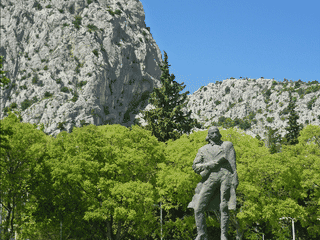

Omiš
Eastern Europe and the Balkans · Croatia
Did you know?
- Mirabela Fortress links Romanesque architecture with pirate history.
- Soparnik sandwiches chard and onions between thin pastry layers.
- Starigrad Fortress was built in the 15th century against Turkish threats.
See also
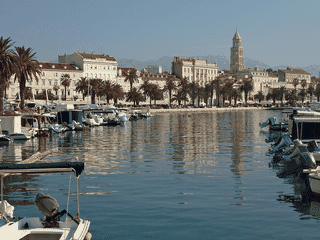

Split
Croatia43.51°N 16.44°E · 0 m
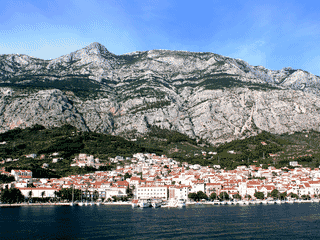

Makarska
Croatia43.30°N 17.03°E · 0 m
Hvar
Croatia43.13°N 16.73°E
Overview
Omiš sits where the Cetina River canyon meets the Dalmatian coast. Pirate history and the climb to Mirabela Fortress give the town a distinctive setting.
Languages: Croatian
Why go?
Omiš sits at the mouth of the Cetina River canyon on the Dalmatian coast, offering a quieter alternative to crowded Split just 25 km east. The town was once the base of fierce pirates who controlled the Adriatic, and you can still climb the Mirabela Fortress for panoramic views. Summer brings the Festival of Dalmatian Klapas, a celebration of traditional a cappella singing unique to this region. Unlike purpose-built resorts, Omiš has a working fishing harbor mixed with pebble beaches and a compact old town built into the cliff.
Adapted from Wikivoyage contributors · CC BY-SA 4.0
Getting in
Omiš has no airport; most travelers fly into Split and drive or bus 30-45 minutes south along the coastal road. FlixBus and local Croatia bus lines run multiple daily services from Split's main bus station, with journey times around 45 minutes and fares typically 5-8 EUR. Driving from Split takes roughly 40 minutes via the D8 coastal highway. Seasonal ferries connect Omiš harbor with islands Brac and Hvar, though these services are less frequent than from Split.
Adapted from Wikivoyage contributors · CC BY-SA 4.0
Getting around
Omiš is compact enough to explore on foot; the old town, harbor, and main beach Velika Plaza are all within a 15-minute walk. Local buses connect the town center with nearby beaches and suburbs. Taxis are available, or you can rent bikes and mopeds from tourist agencies for more flexibility. During summer, a tourist trolley sometimes runs between major attractions. Most visitors find they don't need a car within the town itself.
Adapted from Wikivoyage contributors · CC BY-SA 4.0
When to go
July and August are peak season with warm temperatures (25-30°C), lively festivals, and crowded beaches. June and September offer pleasant weather with fewer tourists and lower accommodation prices. The Festival of Dalmatian Klapas typically occurs in late June or early July. Summer evenings come alive with Fishing Nights, Crazy Dives, and Pirates Nights events. Winters see many shops and restaurants close, though the town makes a peaceful off-season base for exploring the region.
Adapted from Wikivoyage contributors · CC BY-SA 4.0
Where to stay
Apartments for rent are scattered throughout the town and offer the best value for backpackers, ranging from simple studios to waterfront units with kitchens. Prices vary significantly by season: expect to pay 40-80 EUR per night for a basic apartment in summer, dropping to 25-50 EUR in shoulder season. The area between the old town and the main beach has the highest concentration of rental apartments. Some agencies near the harbor offer last-minute deals in low season.
Adapted from Wikivoyage contributors · CC BY-SA 4.0
Food and drink
Traditional Dalmatian cuisine dominates local menus. Soparnik is the regional specialty: chard and onions sandwiched between thin pastry layers, typically vegan and found at family-run konobas. Dalmatinski pršut is dry-cured ham smoked over chamomile, served as an appetizer. For fresh seafood, Restaurant Puljiz in the old town has a long tradition and reasonable prices for lobsters and grilled fish. Local sweets include fritule (small doughnuts) and krostule (fried pastry twists). Wash meals down with rakija, a grape or plum brandy, or prosek, a sweet dessert wine.
Adapted from Wikivoyage contributors · CC BY-SA 4.0
Things to do
The Mirabela Fortress (13th century) offers Romanesque architecture and pirate history with views over the town. Starigrad Fortress (Fortica), built in the 15th century against Turkish threats, sits on the opposite hill. Boat trips up the Cetina River canyon depart from the harbor; touts at the river bridge will approach you, and boats leave when full for roughly 1-1.5 hour trips costing from 10 EUR. Rafting operators camp along the Cetina and offer half-day to full-day trips. Canyoning in Zadvarje, 30 km inland, involves rappelling and swimming through the river gorge.
Adapted from Wikivoyage contributors · CC BY-SA 4.0
Safety
Omiš is generally safe for travelers with normal precautions. The main beach Velika Plaza has lifeguards in summer, but rocks and currents require caution. The old town's narrow streets and stairs can be slippery when wet. Evening entertainment district near the harbor attracts crowds but incidents are rare. Summer boat trips on the Cetina should be booked with established operators; flash floods can occur after heavy rain.
Adapted from Wikivoyage contributors · CC BY-SA 4.0
Connectivity
Croatian mobile carriers T-Mobile, Tele2, and Vipnet have good coverage throughout Omiš and along the coast. Local SIM cards with data packages are available at kiosks and mobile shops for around 15-30 EUR. WiFi is widely available in apartments, restaurants, and cafes. The town center has good 4G signal. Power outlets use standard European Type C and F plugs (230V/50Hz).
Adapted from Wikivoyage contributors · CC BY-SA 4.0
Budget
Budget travelers can manage on 50-70 EUR per day in shoulder season, rising to 70-100 EUR in peak summer. Accommodation (apartments) typically runs 40-80 EUR/night in summer. Street food and market meals cost 5-10 EUR; restaurant dinners run 15-30 EUR. Boat trips to the Cetina canyon start at 10 EUR, with rafting packages around 30-50 EUR. Local buses to Split cost 5-8 EUR each way. Museums and fortresses charge small entrance fees (2-5 EUR).
Adapted from Wikivoyage contributors · CC BY-SA 4.0
Day trips
Split is 25 km away by bus or car, with its Diocletian's Palace and waterfront promenade. The UNESCO-listed town of Trogir, 40 km north, features Romanesque churches and Venetian walls. Makarska, 30 km south along the coast, has a livelier beach scene. The islands of Hvar and Brac are reachable by ferry from Omiš harbor, with Brac offering the famous Zlatni Rat beach. Solin, near Split, has Roman ruins including the Diocletian's mausoleum.
Adapted from Wikivoyage contributors · CC BY-SA 4.0
Go next
Ruskamen, a small resort town, is the closest neighbor just south along the coast. Makarska Riviera stretches south with more beaches and nightlife. North leads to Split, the main Dalmatian hub with an international airport and ferry connections to Italy and islands. Ferries from Split continue to Dubrovnik along the scenic coastal road. Island-hopping to Hvar and Brac makes for excellent multi-day adventures from Omiš.
Adapted from Wikivoyage contributors · CC BY-SA 4.0
Field guide adapted from Wikivoyage contributors · CC BY-SA 4.0. Text has been adapted and organized for this guide. About our sources.
Places to know
A few starting points from the guide. Check current hours and prices before you go.
- sleep
Apartment rentals (various agencies)
Local apartments ranging from compact studios to waterfront units with kitchens, scattered throughout town.
Recorded price: 40-80 EUR/night summer
Adapted from Wikivoyage contributors
- eat
Restaurant Puljiz
Old town establishment with long tradition serving fresh fish, lobsters, and steaks on a terrace.
Recorded price: 15-30 EUR mains
Adapted from Wikivoyage contributors
- eat
Traditional konobas (family taverns)
Local restaurants serving home-style Dalmatian cuisine including soparnik, grilled meats, and seafood.
Recorded price: 10-25 EUR
Adapted from Wikivoyage contributors
- see
City Museum and Harbor
Small museum showcasing local history and the town's pirate heritage.
Adapted from Wikivoyage contributors
- see
Historic churches of Omiš
Various old churches scattered throughout the town center.
Recorded price: Free entry
Adapted from Wikivoyage contributors
- see
Mirabela Fortress
This Romanesque fortress was built above the town in the 13th century. It served as a reliable hideout for the local pirates.
Adapted from Wikivoyage contributors
- see
Starigrad (Fortica) Fortress
This fortress was built in the 15th century to defend the town against the Turks.
Adapted from Wikivoyage contributors
- see
Velika Plaza (city beach)
Main public beach with pebbles, clear water, and facilities near the town center.
Recorded price: Free entry
Adapted from Wikivoyage contributors
Before you go
Connectivity
4G coverage is good. SIM cards available from T-Mobile, Tele2, Vipnet. WiFi common in accommodations and cafes.
Culture
The Festival of Dalmatian Klapas celebrates traditional a cappella singing. Summer evenings feature Fishing Nights, Crazy Dives, and Pirates Nights events.
Food
Soparnik is the local specialty (chard pie). Dalmatinski pršut (smoked ham) and fresh seafood are menu staples. Restaurant Puljiz in the old town offers good value.
Money
Croatia uses the Euro (EUR). ATMs are available in the town center and harbor area. Credit cards accepted at most hotels and restaurants but carry cash for markets and small eateries.
Safety
General petty crime is low. Be cautious swimming near rocks; lifeguards at main beach in summer. Check boat trip operator credentials.
Transport
Local buses connect Omiš with Split and nearby towns. Ferries to Brac and Hvar depart from the harbor. Taxis and bike/moped rentals available. The town is walkable.
Weather
Hot summers (25-30°C) with low humidity; shoulder seasons offer milder temperatures ideal for hiking the Cetina canyon. Winter is quiet with many businesses closed.