.jpeg)
Nazca
South America · Peru
Did you know?
- The underground irrigation channels at Cantalloc still water crops.
- Ancient mummies remain in tombs at the Cemetery of Chauchilla.
- Animal, bird and geometric geoglyphs cover the surrounding desert.
See also
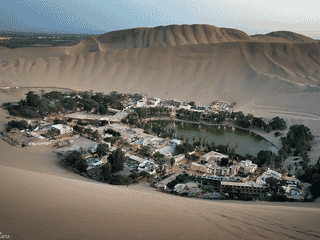

Huacachina
Peru14.09°S 75.76°W · 403 m
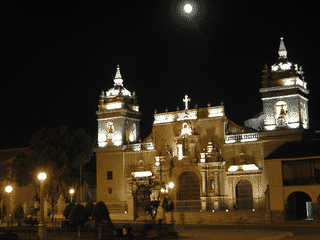

Ayacucho
Peru13.16°S 74.22°W · 2,761 m
Ica
Peru14.07°S 75.73°W · 406 m
Abancay
Peru13.63°S 72.88°W · 2,500 m
Overview
Ancient animal and geometric geoglyphs draw visitors to this desert town. Aqueducts, pottery workshops and the tombs at Chauchilla give the surrounding region more to explore.
Languages: Aymara, Quechua, Spanish
Why go
Nazca is a small Peruvian desert town made famous by the mysterious Nazca Lines—enormous geoglyphs depicting animals, birds, and geometric shapes that have baffled archaeologists for decades. The UNESCO World Heritage site draws visitors eager to see these ancient drawings from above via small-plane flights. The surrounding region also offers pre-Inca aqueducts, pottery workshops, and the eerie Cemetery of Chauchilla with ancient mummies still in their original tombs dating to 1000 AD. Beyond the lines, the dusty town itself is modest but serves as a practical base for archaeological exploration.
Adapted from Wikivoyage contributors · CC BY-SA 4.0
Understand
The name 'Nasca' derives from a Quechua word meaning 'pain' or 'suffering,' referring to the region's chronic lack of water. The modern town sits where the ancient Nazca civilization relocated after its first capital at Cahuachi fell around AD 400. The area's extreme desert climate—some of the driest on Earth—preserved the famous lines for over 1,500 years. Today's Nazca has a dusty, frontier-town feel with minimal enchantment but provides essential services for travelers exploring the region's archaeological treasures.
Adapted from Wikivoyage contributors · CC BY-SA 4.0
Get in
Most travelers arrive by bus from Lima, Ica, or Arequipa. Cruz del Sur runs daily departures to Lima at 11:30 and 14:30 (7 hours, approximately). Arequipa is 8 hours away via Cruz del Sur at 15:00 and later evening departures. Buses to Ica (2½-3 hours) run throughout the day starting from S/7. The long route to Cusco can be broken into three legs via Puquio and Abancay with simple hostels (S/18 for doubles) at each stop, or taken direct via Cruz del Sur luxury VIP (S/185), Oltrusa (S/99), or CIAL semi-cama (S/80).
Adapted from Wikivoyage contributors · CC BY-SA 4.0
Get around
Nazca is compact enough to walk almost anywhere in town. A taxi ride within town limits costs around S/3, though drivers frequently attempt to overcharge tourists. The main hassle for visitors is the aggressive touts who wait at bus stations and on streets, claiming to work for hotels or offering cheap flights over the Nazca Lines. Ignore these unsolicited approaches entirely and arrange your own accommodation pickup. The Maria Reiche Museum and Cantalloc aqueducts are walkable from downtown.
Adapted from Wikivoyage contributors · CC BY-SA 4.0
When to go
The best time to visit Nazca is during the dry season from May to October when skies are clearest for viewing the lines from aircraft. The coastal desert remains cool year-round with temperatures ranging from 15-25°C. Rainfall is extremely rare. Summer months (December-February) can be slightly warmer but still comfortable for sightseeing. Avoid visiting during Peruvian holidays when domestic tourism peaks and prices may rise.
Adapted from Wikivoyage contributors · CC BY-SA 4.0
Where to stay
Budget travelers have several hostels near the main plaza and bus station. Brabant Hostel (Calle Juan Matta 878) offers dorm beds from S/16, singles S/25, doubles S/35, with private bathroom rooms at S/50—plus free pick-up from the bus terminal and tour organization. Hospedaje Inti Wuasi provides the cheapest beds at S/15, though tour prices there are often inflated. For mid-range options, Hotel Alegria (Calle Lima 166) costs US$35 per person with a swimming pool. The Casa Hacienda Nasca Oasis on the Panamericana Sur offers bungalows with a pool and views of the world's largest sand dune.
Adapted from Wikivoyage contributors · CC BY-SA 4.0
Food and drink
Budget eating options cluster around the Plaza de Armas, particularly at street food stands on the south-east corner offering quick, cheap meals. Pacante's fastfood café on Jr Bolognese 464 serves simple burgers with a friendly English-speaking owner. Local restaurants throughout town provide complete meals—soup, a choice of 3-5 main dishes, and a drink—for S/5-10. Several bars line Jr. Bolognesi for evening drinks.
Adapted from Wikivoyage contributors · CC BY-SA 4.0
Things to do
The highlight is a small-plane flight over the Nazca Lines (typically 20-30 minutes), though these carry inherent risks—research operators carefully. Back on ground, the Museo Arqueologico Antonini (Av de la Cultura 606) costs US$6 and features pottery, textiles, a scale model of the lines, and a working pre-Inca aqueduct in the garden. The Nazca channels or puquios at Cantalloc showcase the ancient underground irrigation system still watering crops today. The Cemetery of Chauchilla displays mummies in their original tombs from 1000 AD, combined with visits to a Nazca ceramic workshop and gold extraction center. The Palpa Lines and Chicchitara Carving Rocks in the Palpa Valley offer quieter alternatives to the main Nazca geoglyphs.
Adapted from Wikivoyage contributors · CC BY-SA 4.0
Safety
Be extremely cautious of unsolicited approaches from people at bus stations or on the street offering hotels, flights, or tours—having an office in Nazca does not guarantee trustworthiness. Never buy from street solicitors. Only use businesses that can provide official tax invoices (boleto or factura) showing their VAT number and business name. Hotel Don Agucho is located on the south side of the river in what the article describes as a dangerous part of town. Brabant Hostel explicitly warns that people waiting at the bus station claiming to work for them are imposters.
Adapted from Wikivoyage contributors · CC BY-SA 4.0
Go next
From Nazca, direct buses head to Lima (7 hours via Cruz del Sur), Arequipa (8 hours), and Ica (2½-3 hours, from S/7). For Cusco, travelers can either take a direct luxury bus (S/80-185 depending on class) or break the journey through Puquio and Abancay for a more adventurous route with simple hostel stops along the way. Ica makes a natural stop for sandboarding and dune buggy tours at Huacachina oasis.
Adapted from Wikivoyage contributors · CC BY-SA 4.0
Field guide adapted from Wikivoyage contributors · CC BY-SA 4.0. Text has been adapted and organized for this guide. About our sources.
Places to know
A few starting points from the guide. Check current hours and prices before you go.
- sleep
Brabant Hostel
A cheap, quiet, safe and clean small hostel, one block from the main square. The Dutch-Peruvian owners provide a family atmosphere, great service, good breakfast, roof terrace, games, internet, and laundry. They also organize flights over the Nazca Lines and other tours. Bus terminal pick-up day or night, just call or mail them before. Multiple languages spoken. People hanging around the buses when you arrive do not work for this hostel, they are attempting to mislead for their own personal gain. The dormitory is used as luggage storage too, so it can be very busy.
Recorded price: Dorm bed S/16 (as of May 2013), single room S/25, double room S/35, triple S/45, quadruple S/60. Double room with private bathroom and cable TV: S/50
Adapted from Wikivoyage contributors
- sleep
Casa Hacienda Nasca Oasis
Hacienda-style accommodation in individual bungalows with common swimming-pool and a view out to the biggest sand dune in the world.
Adapted from Wikivoyage contributors
- sleep
Hospedaje Inti Wuasi
Cheap beds to sleep, however Micky the tour guy will bug you for his tours. Often they are overpricing cost 5 times the normal value on the main street.
Recorded price: S/15
Adapted from Wikivoyage contributors
- sleep
Hospedaje Yemayá
This hostel is located exactly between the bus station and the main plaza: two and half blocks from each. It has clean rooms with private bathroom, good wi-fi (AcessPoint on each floor) and not so good TVs. The best thing is its owner - super friendly Luis: he will give you advice about fair prices agencies should ask for or tips how to visit all three miradors and Maria Reiche museum independently.
Recorded price: S/50 for double with private bathroom
Adapted from Wikivoyage contributors
- sleep
Hostal Camiluz
A quiet and safe place to stay in Nazca, located just 3 blocks away from downtown.
Adapted from Wikivoyage contributors
- sleep
Hotel Alegria
Swimming pool.
Recorded price: US$35 a person
Adapted from Wikivoyage contributors
- sleep
Hotel Don Agucho
Swimming pool surrounded by a garden with comfortable hammocks and furniture to chill out on, free tea and coffee, English spoken and lots of information about Nazca. On the south side of the river and therefore in a very dangerous part of town.
Adapted from Wikivoyage contributors
- sleep
Nazca Lines Hotel
3-star hotel with A/C rooms. For some reason the only English channel on TV is FoxNews.
Recorded price: US$80 for a single
Adapted from Wikivoyage contributors
Before you go
Connectivity
WiFi is available at hostels and some hotels. Free internet access is listed at Pirwa Hostel Nazca.
Culture
Nazca Lines flights are controversial due to crash incidents and environmental damage to the fragile geoglyphs. Research operators carefully before booking.
Money
Peruvian Sol (S/) is the local currency. Some hotels quote in US dollars (US$9-80), but paying in soles is generally preferable. Budget S/50-80 per day for accommodation, food, and basic activities.
Safety
Beware of aggressive touts at bus stations offering hotels and flights—these are often scams. Use only businesses that provide official tax invoices.
Transport
Taxis within town cost around S/3. Buses to Ica start from S/7, to Lima S/80-185 depending on bus company and class.