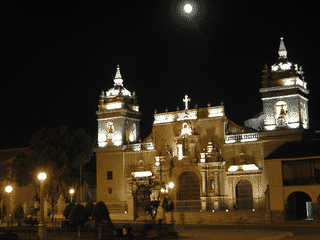

Ayacucho
South America · Peru
Did you know?
- A 44-m obelisk at Pampa de Quinua commemorates a historic battle.
- Barrio Santa Ana's family workshops showcase weaving in progress.
- Nighttime plaza vendors layer burgers with egg, hotdogs and potato sticks.
See also
.JPG)
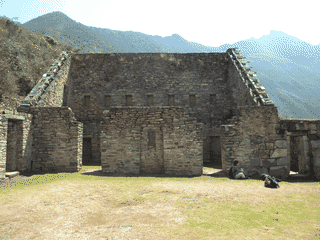
Choquequirao
Peru13.40°S 72.90°W
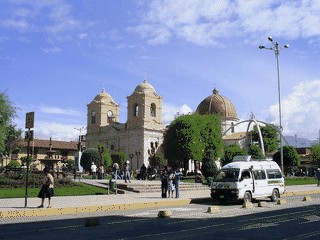

Huancayo
Peru12.07°S 75.22°W · 3,271 m
.jpg)
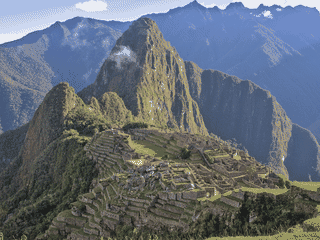
Machu Picchu
Peru13.16°S 72.55°W · 2,430 m
.jpg)
Aguas Calientes
Peru13.15°S 72.52°W · 2,040 m
Abancay
Peru13.63°S 72.88°W · 2,500 m
Overview
Wool and alpaca tapestries give this Andean city a distinctive craft tradition. Upright looms, natural dyes and handspun yarns create textiles with sculptural depth.
Languages: Aymara, Quechua, Spanish
Why Go
Ayacucho is a colonial gem embedded in a broad sunny valley at 2,700 m altitude with a mild climate, home to about 100,000 people and the Morocucho Quechua community. The city is famous throughout Peru for its exceptional wool and alpaca tapestries featuring eye-popping three-dimensional designs woven on upright looms using natural dyes and handspun yarns. During Semana Santa, Ayacucho hosts one of the most important religious celebrations in the Americas, though prices spike dramatically during this period.
Adapted from Wikivoyage contributors · CC BY-SA 4.0
Understand
During the 1980s and early 1990s, Ayacucho was largely under control of Sendero Luminoso (Shining Path), a Maoist terrorist organization. After the successful anti-terror campaigns under President Fujimori, the group's influence was eliminated. The Tourist Office is located in the Plaza de Armas, and visitors will find a welcoming atmosphere with colonial architecture and indigenous traditions coexisting peacefully.
Adapted from Wikivoyage contributors · CC BY-SA 4.0
Get In
Ayacucho's airport has flights from Lima, a faster alternative to the rough 11-hour bus journey on well-paved roads over high mountain passes. Daily buses connect Ayacucho with Lima (11 hr), Pisco (6 hr), Huancavelica (multiple route options via colectivo), Andahuaylas (10 hr via dusty roads), and Huancayo (8-10 hr). Direct buses to Cusco run with Expreso Los Chankas (S/55, 22 hr, semi-cama, departures at 06:30 and 19:00).
Adapted from Wikivoyage contributors · CC BY-SA 4.0
Get Around
Taxis run for S/3 within the city. Bus 13 (S/0.70) departs from Jr 28 de Julio (the big red arc) to Santa Helena and further destinations. Colectivos to destinations like Muyurina (S/2.5) depart from the Paradero de Quinoa-Huanta.
Adapted from Wikivoyage contributors · CC BY-SA 4.0
When to Go
The dry season (May-October) offers the best weather for sightseeing and trekking. Semana Santa (Holy Week) draws huge crowds with elaborate religious processions, but accommodation prices increase dramatically. The rainy season (November-April) can make some mountain roads impassable, particularly the dirt roads to Huancavelica.
Adapted from Wikivoyage contributors · CC BY-SA 4.0
Where to Stay
Budget travelers can find simple double rooms near the bus station for less than S/20, with single beds available for S/13. Hostal Florida on Jr Cusco 310 offers matrimonial rooms at S/50 with bathroom, or singles at S/35 with private bathroom. Hotel La Crillonesa on Nazareno 165 (one block from the main Mercado) charges S/50 for a room with private bathroom and double bed, featuring a rooftop terrace with views, 24-hour hot water, and cable TV. During Semana Santa, contact Leira Figuero (990454539) for floor mattresses at S/10 (six people per room) with cold shower and WC.
Adapted from Wikivoyage contributors · CC BY-SA 4.0
Food and Drink
Don't miss the legendary triple hamburgers from street vendors near the plaza at night—perfect drunk food with hamburger, egg, hotdogs, potato sticks, and olive mayonnaise (order sin lechuga/without lettuce for food safety). The University Cafe (UNSH) sits in a lovely colonial building beside the Cathedral at the Plaza de Armas. For upscale dining with views, Magia Negra serves pizza a few blocks from the Plaza. Try local dishes Puka Picante (potatoes with beetroot and peanuts) and Papa con Quapchi (potatoes with cheese and herbs) at market stalls or small restaurants. Refreshing drinks like chicha de manis (peanut-sesame) and agua de nipero or manzana cost S/0.5 at markets.
Adapted from Wikivoyage contributors · CC BY-SA 4.0
Things to Do
Willy Del Posa Posa runs an honest, helpful tourist agency near the Plaza de Armas. For a 2-hour walk, take bus 13 (S/0.70) to Santa Helena, then descend to the Watatas river and walk back along the water to the concrete bridge. A warmer but muddier option is the colectivo to Muyurina (S/2.5) from Paradero de Quinoa-Huanta. The great mountain to the south (left of the cross) offers a rough but rewarding climb with panoramic views. The Catedral de Huamanga dominates the Plaza de Armas with its colonial architecture.
Adapted from Wikivoyage contributors · CC BY-SA 4.0
Buy
Ayacucho is renowned for high-quality wool and alpaca tapestries, carpets, and embroideries found primarily in Barrio Santa Ana (follow Av. Grau). Family-run shops on Plaza Santa Ana showcase weaving in process, with the best pieces using handspun yarns and natural dyes featuring archaeological motifs. Galería Latina at Plazuela de Santa Ana #105 is a multi-generation family gallery exhibiting work from Ayacucho's finest weavers, with wall carpets priced around US$350. Visitors should ask to see the better, more expensive tapestries as they are often displayed in back rooms.
Adapted from Wikivoyage contributors · CC BY-SA 4.0
Drink
Centro Turístico Cultural San Cristobal at 28 de Julio 178 (a block from Plaza de Armas) is the best spot for caffeinated beverages including cappuccinos and Americanos, though it's pricier than other areas. Via Via on a balcony overlooking the Plaza opposite the cathedral serves good coffee, safe salads, and frozen Naranjada with free WiFi. For budget refreshments, try chicha de manis, agua de nipero, or manzana for S/0.5 at the market (right of Jr 28 de Julio).
Adapted from Wikivoyage contributors · CC BY-SA 4.0
Safety
Ayacucho has recovered fully from its dark period during Sendero Luminoso's control in the 1980s-90s, and the city is now safe for tourists. Normal urban precautions apply—be aware of petty theft, and some travelers report items stolen from rooms at Hostal Florida with unpleasant owner responses. Avoid walking near houses on the river walks and be cautious of dogs on the path to Muyurina.
Adapted from Wikivoyage contributors · CC BY-SA 4.0
Connectivity
WiFi is available at cafes like Via Via (free for customers) and Hostal Florida (during daytime and sporadically at other times). Peru uses Type A and Type B electrical plugs (same as North America) at 220V/60Hz.
Adapted from Wikivoyage contributors · CC BY-SA 4.0
Budget
A backpacker can survive on S/50-80 per day in Ayacucho: dorm beds from S/10-13, street food meals for S/2-5, local drinks S/0.5-2, city taxi S/3, bus 13 S/0.70, colectivos S/2-3. Accommodation with private bathroom runs S/35-50, while basic rooms near the bus station cost under S/20.
Adapted from Wikivoyage contributors · CC BY-SA 4.0
Day Trips
Huari/Wari, the oldest urban center in the Andes, is 45 minutes away by colectivo from Av. Cáceres (S/2), with ruins and a museum (S/2) open daily. La Quinua is a charming village with old buildings; nearby Pampa de Quinua features a 44-m obelisk commemorating the Battle of Ayacucho. Vilcashuaman (3-4 hr, S/15) offers Inca ruins and calm atmosphere, with pollo at Polleria El Sol and a lagoon reachable by walking up Camino Real (30 min). Colectivos to Huari continue to La Quinua.
Adapted from Wikivoyage contributors · CC BY-SA 4.0
Go Next
From Ayacucho, travelers can head to Huancayo with Molina buses from terminal Wari (S/30, departs 20:30, all-night journey). Andahuaylas is reachable by combis in 6 hours for S/25. Cusco-bound travelers can take Expreso Los Chankas from Pje Cáceres 150—S/55 each for a 22-hour semi-cama ride, departing at 06:30 and 19:00.
Adapted from Wikivoyage contributors · CC BY-SA 4.0
Field guide adapted from Wikivoyage contributors · CC BY-SA 4.0. Text has been adapted and organized for this guide. About our sources.
Places to know
A few starting points from the guide. Check current hours and prices before you go.
- sleep
Hostal Florida
A good option for budget travelers. Nice views from the top rooms and they offer WiFi during the day and sporadically at other times. A matrimonial room is S/50 with bathroom, while a single is S/35 with private bathroom (but can be negotiated lower). Note that showers are electric - i.e., not truly hot. Note that breakfast is not included in the price despite what they may tell you over the telephone. However, some travellers report a number of items of value are stolen from their room in this hotel, and when reported, owners becoming very unpleasant.
Adapted from Wikivoyage contributors
- sleep
Hostal Tres Mascaras
Fairly big hostel with rooms surrounding a courtyard sporting both parrots and budgies (although caged). The yard is a bit run down, but the rooms are nice. Wifi, hot water, simple breakfast on request.
Adapted from Wikivoyage contributors
- sleep
Hotel La Crillonesa
Well-located hotel near market with rooftop terrace views, 24-hr hot water, cable TV, and negotiable rates
Recorded price: S/50
Adapted from Wikivoyage contributors
- eat
Plaza Street Vendors (Triple Hamburgers)
Legendary late-night burgers near the plaza—perfect drunk food with egg, hotdogs, potato sticks, olive mayonnaise
Recorded price: S/2-5
Adapted from Wikivoyage contributors
- eat
University Cafe (UNSH)
Atmospheric cafe in colonial building atrium beside the Cathedral at Plaza de Armas
Adapted from Wikivoyage contributors
- eat
Via Via
Good coffee. Safe salads and some interesting mains make this a place to head for. The views and frozen Naranjada are excellent. Popular with well to do locals as well as the few gringos in these parts. Free WiFi. Nice atmosphere.
Adapted from Wikivoyage contributors
- see
Barrio Santa Ana Weaving District
Historic weaving neighborhood with family shops showing tapestries in process and selling crafts
Adapted from Wikivoyage contributors
- see
Catedral de Huamanga
Colonial cathedral dominating the Plaza de Armas with beautiful architecture
Adapted from Wikivoyage contributors
Before you go
Accommodation
Budget rooms from S/13 near bus station. Mid-range hostals with private bathroom S/35-50. Semana Santa prices spike dramatically. Floor mattresses S/10 available during Holy Week.
Connectivity
Free WiFi at Via Via cafe and some hostels. Peru uses Type A/B plugs at 220V. Local SIM cards available for data.
Culture
Ayacucho is famous for three-dimensional alpaca tapestries woven with natural dyes on upright looms. Barrio Santa Ana is the main crafts district with multi-generational weaving families.
Food
Try the famous triple hamburgers from plaza vendors at night (order sin lechuga). Local dishes include Puka Picante and Papa con Quapchi. University cafe near cathedral offers colonial ambiance.
Money
Peruvian Sol (S/) is the local currency. Budget travelers can get by on S/50-80 daily including accommodation and food. Street food and local drinks are very cheap at S/0.5-5.
Safety
City is safe after Sendero Luminoso era. Normal urban precautions apply. Avoid walking near houses on river walks. Some hotels report petty theft issues.
Transport
Taxis S/3 within city. Bus 13 from Jr 28 de Julio costs S/0.70. Colectivos to nearby destinations range S/2-15. Airport has flights from Lima.
Weather
Located at 2,700m altitude in a sunny valley with mild climate. Dry season (May-October) best for travel. Rainy season (Nov-Apr) can make mountain roads impassable.