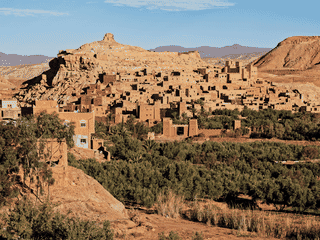

Aït-Benhaddou
Africa · Morocco
See also
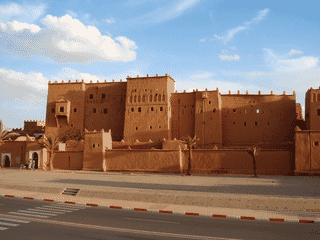

Ouarzazate
Morocco30.92°N 6.92°W · 1,151 m
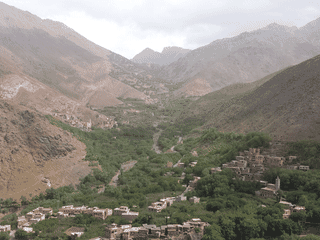

Imlil
Morocco31.13°N 7.92°W
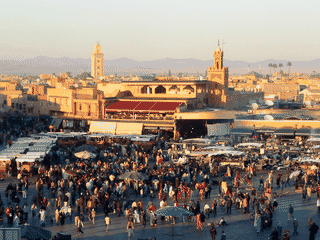

Marrakech
Morocco31.63°N 7.99°W · 465 m
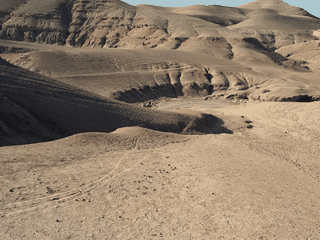

Agafay Desert
Morocco31.43°N 8.14°W · 569 m
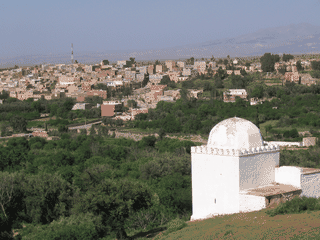

Amizmiz
Morocco31.22°N 8.25°W · 1,004 m
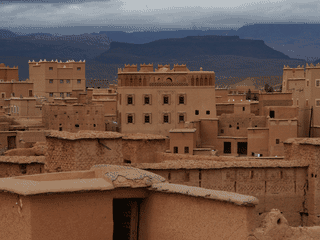

Nkob
Morocco30.87°N 5.86°W
Overview
Aït-Benhaddou is a traditional mud brick ksar (fortified village) on the edge of the High Atlas Mountains, and one of Morocco's most iconic UNESCO World Heritage Sites. The ancient city has appeared in over 10 films including Lawrence of Arabia and Gladiator, often serving as a stand-in for Jerusalem.
Languages: Arabic, Berber
Why Go
Aït-Benhaddou is a traditional mud brick ksar (fortified village) on the edge of the High Atlas Mountains, and one of Morocco's most iconic UNESCO World Heritage Sites. The ancient city has appeared in over 10 films including Lawrence of Arabia and Gladiator, often serving as a stand-in for Jerusalem. The dramatic mud-brick architecture climbing up the hillside, combined with its desert mountain setting, makes it an essential stop between Marrakech and the Sahara.
Adapted from Wikivoyage contributors · CC BY-SA 4.0
Getting In
Aït-Benhaddou is accessible from Ouarzazate (approximately 30 km away) and Marrakesh. Shared grand taxis and buses connect from Ouarzazate to the village. From Marrakesh, most visitors come on organized day trips or as part of a desert tour circuit. The road to Telouet (~50 km) was paved recently, making bike rides to that direction feasible.
Adapted from Wikivoyage contributors · CC BY-SA 4.0
Getting Around
Once inside the Ksar, vehicles cannot enter and visitors must walk or climb the narrow alleys and stairways. There are two main entrances: one accessible via a new bridge, and a second reached by crossing the river on stepping stones (the riverbed is completely dry during the dry season). Exploring the entire ksar takes 1-2 hours on foot.
Adapted from Wikivoyage contributors · CC BY-SA 4.0
When to Go
The best time to visit is during spring (March-May) or autumn (September-November) when temperatures are mild. Summer can be extremely hot. Visiting at sunrise or sunset is highly recommended as the golden mud-brick buildings transform dramatically under different light. Overnight stays allow you to experience both the morning and evening lighting conditions.
Adapted from Wikivoyage contributors · CC BY-SA 4.0
Where to Stay
Accommodation ranges from simple auberges in the older part of town to more refined riads and kasbahs in newer areas. Auberge La Goulade is the first auberge along the road, run by a French-Moroccan couple with excellent food. For more comfort, Riad Ksar Ighnda (3 km past the village) offers air-conditioned rooms with Atlas Mountain views. Budget accommodation starts around 300 dirham per person per night at places like La kasbah Ait Benhaddou, while mid-range options like Kasbah Tebi offer authentic renovated Berber kasbahs with half-board from 400 DM per person.
Adapted from Wikivoyage contributors · CC BY-SA 4.0
Food and Drink
The town has several tourist-oriented restaurants and cafés. Hotel la Baraka in the newer part of town has a restaurant with a pleasant courtyard setting. Most accommodations also offer food, with Auberge La Goulade and Hotel Restaurant La Rose Du Sable noted for good quality meals. Expect standard Moroccan tagines and couscous at tourist prices within the ksar area.
Adapted from Wikivoyage contributors · CC BY-SA 4.0
Things to Do
The ksar itself is the main attraction - wander through the mud-brick alleys and climb to the top of the hill for breathtaking panoramic views. The Granary at the top of the hill is free to visit and well worth the climb. Other sites include the Mausoleum of Ben-Haddou at the base of the hill and the Koranic School. Adventure travelers can rent bikes and ride the paved road to Telouet (~50 km), where traffic remains sparse.
Adapted from Wikivoyage contributors · CC BY-SA 4.0
Buy
Several shops within the ksar sell Sahara-themed souvenirs including miniature Ksar models and wooden artifacts from Mali's Dogon people. A particularly friendly carpet shop is located in the newer part of town near the post office. Haggling is expected in Moroccan markets.
Adapted from Wikivoyage contributors · CC BY-SA 4.0
Go Next
The most common onward destination is Ouarzazate, the gateway to the Sahara and home to film studios and the Taourirt Kasbah. The High Atlas mountains offer further exploration, including the road to Telouet and beyond. Many travelers continue south toward the desert towns of Zagora or Merzouga.
Adapted from Wikivoyage contributors · CC BY-SA 4.0
Safety
Aït-Benhaddou is generally a safe destination for travelers. The main concerns are the physical demands of climbing steep, uneven alleys within the ksar - wear sturdy shoes and be cautious after rain when mud surfaces become slippery. Sun protection is essential, especially in summer.
Adapted from Wikivoyage contributors · CC BY-SA 4.0
Etiquette
As a conservative Muslim community, dress modestly, especially when visiting religious sites. Remove shoes when entering homes and mosques. Photography of local people should be done with permission. The ksar remains a living village, so be respectful of residents' privacy and daily routines.
Adapted from Wikivoyage contributors · CC BY-SA 4.0
Field guide adapted from Wikivoyage contributors · CC BY-SA 4.0. Text has been adapted and organized for this guide. About our sources.
Places to know
A few starting points from the guide. Check current hours and prices before you go.
- sleep
Auberge La Goulade
The first auberge along the road into Ait Benhaddou, run by a French man and his Moroccan wife. Very friendly, excellent food and good price.
Adapted from Wikivoyage contributors
- sleep
Hotel Restaurant La Rose Du Sable
Clean, comfortable rooms. Great food.
Adapted from Wikivoyage contributors
- sleep
Hotel Riad Caravane
Chic hotel in restored Berber house. Small pool and views towards the Ksar. Located around one kilometre from the village.
Adapted from Wikivoyage contributors
- sleep
Kasbah Tebi
Authentic renovated Berber Kasbah. Magnificent view. Tranquillity. Hospitable.
Recorded price: 400 DM per person per night (halfboard)
Adapted from Wikivoyage contributors
- sleep
La kasbah Ait Benhaddou
Ideally located near the famous Ksar, our tourist resort has more than 100 rooms equipped to meet different tastes and budgets.
Recorded price: 300-650 dirham/person per night
Adapted from Wikivoyage contributors
- sleep
Riad Ksar Ighnda
In an authentic yet modern setting, Riad Ksar Ighnda opens its doors for you onto the Atlas Mountains with rooms in tadelakt with air conditioning.
Adapted from Wikivoyage contributors
- eat
Hotel la Baraka
has a restaurant with a nice courtyard.
Adapted from Wikivoyage contributors
- see
Granary
Impressive and well worth the effort to get up there.
Recorded price: Free
Adapted from Wikivoyage contributors
Before you go
Accommodation
Budget accommodation starts around 300-400 dirham per person. Overnight stays are recommended to experience the ksar at sunrise and sunset.
Connectivity
Mobile coverage is available but WiFi is limited to accommodations. Check with your hotel for connectivity details.
Culture
This is a living Berber village with a conservative Muslim population. Dress modestly and ask permission before photographing locals.
Money
Moroccan dirham (MAD) is the local currency. ATMs may be limited - withdraw cash in Ouarzazate or Marrakesh before arriving.
Transport
Grand taxis and buses connect Aït-Benhaddou with Ouarzazate (30 km). Most visitors arrive as part of organized tours from Marrakesh.