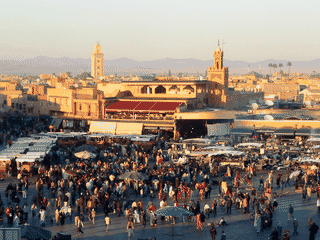

Marrakech
Africa · Morocco
See also
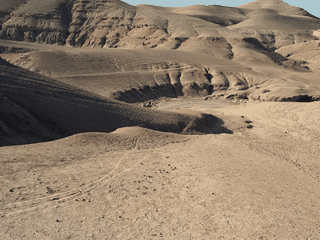

Agafay Desert
Morocco31.43°N 8.14°W · 569 m
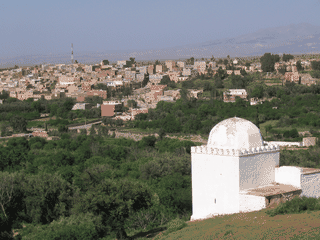

Amizmiz
Morocco31.22°N 8.25°W · 1,004 m
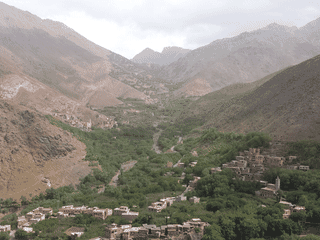

Imlil
Morocco31.13°N 7.92°W
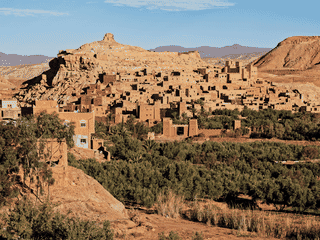

Aït-Benhaddou
Morocco31.05°N 7.13°W
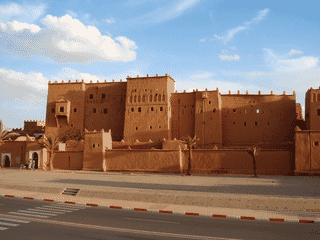

Ouarzazate
Morocco30.92°N 6.92°W · 1,151 m
Overview
Marrakech is a sensory explosion: the medieval medina with its labyrinthine souks, the vast Djemaa El-Fna square filled with performers and food stalls at night, and the modern Gueliz district with its cafes and shops. It's a gateway to the High Atlas and Sahara, and a city where you can haggle for leather goods, sip fresh orange juice for 4 dirham, and stay in a traditional riad.
Languages: Arabic, Berber
Why go?
Marrakech is a sensory explosion: the medieval medina with its labyrinthine souks, the vast Djemaa El-Fna square filled with performers and food stalls at night, and the modern Gueliz district with its cafes and shops. It's a gateway to the High Atlas and Sahara, and a city where you can haggle for leather goods, sip fresh orange juice for 4 dirham, and stay in a traditional riad. However, be prepared for persistent touts and scams – the city's nickname 'Marrakech, Arnakech' (scam) is well-earned.
Adapted from Wikivoyage contributors · CC BY-SA 4.0
Getting in
Marrakech-Menara Airport (RAK) receives international flights; bus 19 runs to the city centre. The train station in Gueliz connects to Casablanca and other cities. Long-distance buses (CTM, Supratours, ALSA) arrive at Gare Routière near Bab Doukkala or at dedicated terminals near the train station. Minibuses to the High Atlas depart from Jardin Sidi Mimoun.
Adapted from Wikivoyage contributors · CC BY-SA 4.0
Getting around
The medina is best explored on foot, though streets are narrow and crowded. Petit taxis (metered) are cheap within the city – from Gueliz to the medina about 10–15 dirham. Buses serve wider areas. For longer trips, ride-hailing apps Uber and Indrive operate (Uber minimum 50 dirham).
Adapted from Wikivoyage contributors · CC BY-SA 4.0
When to go
Spring (March–May) and autumn (September–November) offer pleasant temperatures, ideal for walking. Summers are very hot (often above 37°C), while winters are mild with occasional rain. The city can be crowded during holidays and festivals.
Adapted from Wikivoyage contributors · CC BY-SA 4.0
Food and drink
Street food dominates Djemaa El-Fna: grilled meats, snails, and fresh orange juice (4 dirham per glass – confirm price first). Tagines and couscous in small restaurants cost as little as 30 dirham. For a sit-down meal, try Chez Chegrouni or Henna Cafe. Alcohol is available in a few medina bars and in Gueliz restaurants.
Adapted from Wikivoyage contributors · CC BY-SA 4.0
Things to do
Explore the medina's souks for handicrafts, visit the Koutoubia Mosque (non-Muslims cannot enter), the Saadian Tombs (70 dirham), and the Ben Youssef Madrasa (50 dirham). The Majorelle Gardens (170 dirham) offer a peaceful retreat. Don't miss a hammam experience – traditional ones like Hamam Essalama cost 12 dirham entry plus 50 dirham for a scrub.
Adapted from Wikivoyage contributors · CC BY-SA 4.0
Budget
A backpacker can get by on around 300–400 dirham per day: dorm bed 100 dirham, street food meals 30–40 dirham each, local transport 20 dirham, and a few sightseeing fees. Budget riads and hostels offer good value.
Adapted from Wikivoyage contributors · CC BY-SA 4.0
Stay safe
Marrakech is generally safe but petty crime and scams are common. Keep valuables hidden, avoid poorly lit alleys at night, and ignore anyone telling you a street is closed – it's a scam. Be cautious about accepting drinks from strangers to avoid drugging. Official guides wear a badge.
Adapted from Wikivoyage contributors · CC BY-SA 4.0
Connectivity
Wi-Fi is widely available in riads, hostels, and cafes. Local SIM cards (Maroc Telecom, Orange, Inwi) can be purchased at the airport or in town. Power sockets are Types C and E, 220V.
Adapted from Wikivoyage contributors · CC BY-SA 4.0
Go next
Marrakech is a great base for day trips: the Ourika Valley, Setti Fatma's waterfalls, the ski resort Oukaimeden, and the coastal town Essaouira. The High Atlas offers trekking, and Sahara desert tours (2–4 days) can be arranged. Ouzoud waterfalls (2-hour drive) are spectacular in spring.
Adapted from Wikivoyage contributors · CC BY-SA 4.0
Field guide adapted from Wikivoyage contributors · CC BY-SA 4.0. Text has been adapted and organized for this guide. About our sources.
Places to know
A few starting points from the guide. Check current hours and prices before you go.
- eat
16 Café
Moroccan kitchen. 16 café is caterer of events and weddings.
Adapted from Wikivoyage contributors
- eat
Al Fassia
Traditional Moroccan food in cozy restaurant run by women (except the doorman). Wine served by the bottle.
Adapted from Wikivoyage contributors
- eat
Associacion Amal
Here you can experience lunch similar to what Moroccans eat at home: this women's aid association provides women with education in exchange for food which is then sold for financing the model.
Adapted from Wikivoyage contributors
- eat
Black Pan
Italian restaurant. Artisanal pizzas, traditional Italian dishes and warm atmosphere.
Recorded price: Average of 100-200 dirham per dish
Adapted from Wikivoyage contributors
- eat
Café Arabe
They have a Moroccan and an Italian cook, so there are two menus to choose from. There are three floors including the downstairs courtyard which is lovely for lunch. The top floor terrace has fantastic views, you can lounge on their sofas sipping a cocktail and watching the sun go down over the medina.
Adapted from Wikivoyage contributors
- eat
Café Babouche medina
In a small street a few steps from the Jemaa El Fna square. You can eat there in a friendly atmosphere. The veal tagine with prunes and almonds is spectacular.
Adapted from Wikivoyage contributors
- eat
Café Kabash
Have a roof terrace with a good view. Daily Moroccan menus with tea and juice.
Adapted from Wikivoyage contributors
- eat
Café du Livre
A western style bookshop-café in the villa nouvelle
Recorded price: medium priced, sandwiches ~40–60 dirham
Adapted from Wikivoyage contributors
Before you go
Connectivity
Free Wi-Fi in most accommodations and many cafes. Local SIM cards are cheap and easy to get.
Culture
Dress modestly, especially in medina. Alcohol limited to licensed venues.
Health
Tap water not recommended; drink bottled water. Avoid raw vegetables.
Language
Arabic and Berber are official, French is widely spoken. English is understood in tourist areas but not guaranteed.
Local transport
Petits taxis are the main mode; insist on meter or agree price beforehand.
Money
Bargaining is expected in souks. ATMs are common but some charge fees; bring cash. Avoid exchanging with street vendors.
Safety
Watch out for scams and touts, especially around Djemaa El-Fna. Keep your belongings secure and avoid deserted streets at night.
Tipping
Not mandatory but appreciated for services. A few dirham for guides or porters is standard.
Transport
Petit taxis meter their fares (10-15 dirham within city). Bus 19 from airport costs 4 dirham. Ride-hailing apps Uber and Indrive available.
Visa context
Visa rules depend on passport; check current entry rules before booking.
Water
Tap water is chlorinated but may cause stomach upset; stick to bottled water. Street orange juice may be diluted with tap water.