
Agafay Desert
Africa · Morocco
See also
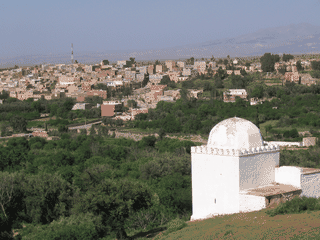

Amizmiz
Morocco31.22°N 8.25°W · 1,004 m
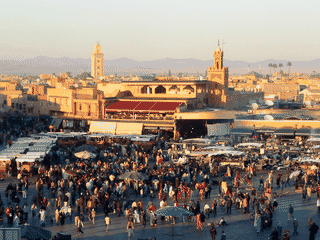

Marrakech
Morocco31.63°N 7.99°W · 465 m
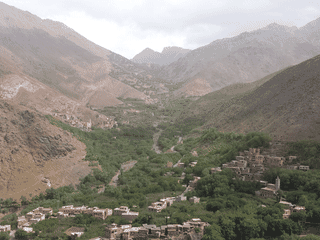

Imlil
Morocco31.13°N 7.92°W
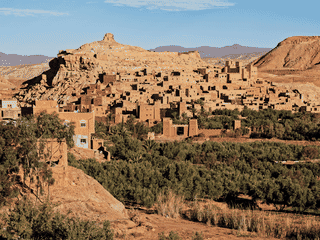

Aït-Benhaddou
Morocco31.05°N 7.13°W
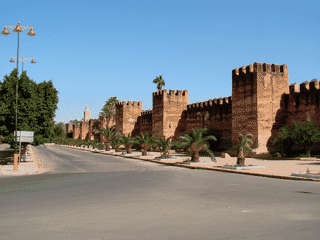

Taroudannt
Morocco30.47°N 8.87°W · 240 m
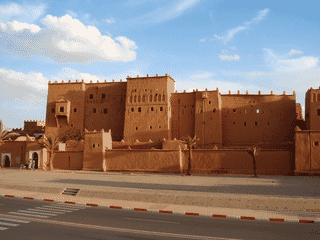

Ouarzazate
Morocco30.92°N 6.92°W · 1,151 m
Overview
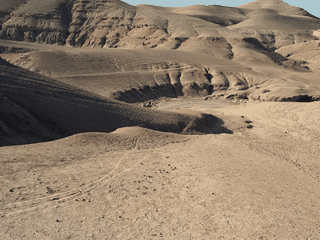
The Agafay Desert is a rocky reg (not a sandy erg like the Sahara) located just 30 kilometers south of Marrakech, making it accessible for day trips or overnight stays without a long desert journey. The landscape features stone dunes, white hills, and dramatic views of the snow-capped High Atlas Mountains—a striking contrast of arid terrain against alpine peaks.
Languages: Arabic, Berber
Why go?
The Agafay Desert is a rocky reg (not a sandy erg like the Sahara) located just 30 kilometers south of Marrakech, making it accessible for day trips or overnight stays without a long desert journey. The landscape features stone dunes, white hills, and dramatic views of the snow-capped High Atlas Mountains—a striking contrast of arid terrain against alpine peaks. It's become a premium eco-tourism hub for travelers seeking a desert atmosphere, sunset views, and stargazing without the 10-hour round-trip to Merzouga or Zagora.
Adapted from Wikivoyage contributors · CC BY-SA 4.0
Understand
Agafay is a reg (rocky desert) unlike the Sahara's erg (sandy desert), offering moon-like rocky terrain instead of massive sand dunes. The village of Lalla Takerkoust serves as the main anchor point and unofficial gateway to the region. The area has rapidly developed into a premium eco-tourism destination with dozens of glamping camps and luxury tented accommodations.
Adapted from Wikivoyage contributors · CC BY-SA 4.0
Getting in
The primary access point is from Marrakech, approximately 45 minutes to 1 hour away via the P2014 regional road toward Lalla Takerkoust. Grand Taxis can be hired from Marrakech, or private transfers can be arranged through accommodations. Countless tour operators in Marrakech offer half-day and full-day excursions with direct transport from hotels or riads.
Adapted from Wikivoyage contributors · CC BY-SA 4.0
Getting around
Once past Lalla Takerkoust and onto desert tracks, the terrain is rugged and requires specialized transport. ATVs and quad bikes are the most popular way to explore the rocky dunes and dry riverbeds (wadis). Dune buggies are also common. Camels are used primarily for short scenic sunset rides rather than long-distance travel. 4x4 vehicles are necessary to reach remote luxury camps on unpaved stone paths.
Adapted from Wikivoyage contributors · CC BY-SA 4.0
See
The main visual attraction is the stark contrast between white, rocky dunes and the towering High Atlas Mountains, which are often snow-capped. The Lalla Takerkoust reservoir, built in the 1920s, offers a dramatic contrast of bright blue water against arid earth and is a hub for local cafes. Traditional Berber villages scattered around the desert edges offer glimpses into rural Moroccan life.
Adapted from Wikivoyage contributors · CC BY-SA 4.0
Do
Watching the sunset over the rocky hills is the primary draw for day-trippers—the sky turns pink and orange over the stone terrain. Quad biking and buggy racing are extremely popular because the hard, rocky ground is better suited for high-speed ATV riding than deep sand. Stargazing is exceptional due to very little light pollution; the night sky is exceptionally clear.
Adapted from Wikivoyage contributors · CC BY-SA 4.0
Buy
There are few traditional shopping opportunities within the desert itself. Visitors seeking souvenirs, spices, and traditional Moroccan goods should shop in the souks of the Marrakech Medina before arriving at Agafay.
Adapted from Wikivoyage contributors · CC BY-SA 4.0
Food and drink
Dining in Agafay is typically tied to desert camp experiences. Most visitors book a dinner show featuring high-quality tagines, couscous, and Moroccan salads served in open-air Berber tents, often followed by a traditional tea ceremony and live Berber music around a campfire. Several traditional restaurants along Lalla Takerkoust lake offer fresh food with waterfront views. Mint tea is the staple drink, served hot and sweet upon arrival at every camp. Because of the touristed nature of the area, many luxury camps hold liquor licenses and serve wine, beer, and cocktails, often by swimming pools.
Adapted from Wikivoyage contributors · CC BY-SA 4.0
Where to stay
Agafay has become famous for its glamping scene with dozens of camps ranging from basic comfortable tents to ultra-luxury canvas suites with air conditioning, private plunge pools, and king-sized beds. Booking in advance is highly recommended, especially during spring and autumn high seasons.
Adapted from Wikivoyage contributors · CC BY-SA 4.0
Stay safe
Sun protection is essential—the daytime sun is brutal, so bring a hat, sunglasses, and high-SPF sunscreen. Despite warm days, desert temperatures plummet at night even in summer, so always bring a jacket or sweater for evening activities. Always carry bottled water to prevent dehydration.
Adapted from Wikivoyage contributors · CC BY-SA 4.0
Day trips
The Agafay Desert itself serves as a day trip destination from Marrakech, typically combined with visits to Lalla Takerkoust lake and Berber villages. Travelers with more time can continue south to Imlil in the High Atlas Mountains for trekking and hiking.
Adapted from Wikivoyage contributors · CC BY-SA 4.0
Go next
Marrakech is the obvious next destination—return to the bustling Red City and its famous souks and medina. For adventure travelers, Imlil offers further south access into the High Atlas Mountains for trekking and hiking experiences.
Adapted from Wikivoyage contributors · CC BY-SA 4.0
Field guide adapted from Wikivoyage contributors · CC BY-SA 4.0. Text has been adapted and organized for this guide. About our sources.
Places to know
A few starting points from the guide. Check current hours and prices before you go.
- sleep
Lalla Takerkoust village and lake area
Base village with cafes and lake views serving as the gateway to the Agafay Desert.
Adapted from Wikivoyage contributors
- eat
Berber tent dinner shows at desert camps
Traditional Moroccan tagines, couscous, and salads served in open-air tents with tea ceremony and live music.
Adapted from Wikivoyage contributors
- eat
Lakefront restaurants at Lalla Takerkoust
Traditional local restaurants along the reservoir offering fresh food with waterfront views.
Adapted from Wikivoyage contributors
- see
High Atlas Mountains backdrop
Snow-capped peaks visible from the desert, creating striking contrast with white stone dunes.
Recorded price: Free
Adapted from Wikivoyage contributors
- see
Lalla Takerkoust reservoir
Man-made lake built in 1920s offering bright blue water contrasting against arid desert landscape.
Recorded price: Free
Adapted from Wikivoyage contributors
- see
Traditional Berber villages
Rural villages scattered around desert edges offering glimpses into traditional Moroccan life.
Recorded price: Free
Adapted from Wikivoyage contributors
- do
ATV/quad biking on rocky terrain
High-speed quad biking suited to the hard, rocky ground better than deep sand.
Adapted from Wikivoyage contributors
- do
Camel sunset rides
Short scenic camel rides, primarily for sunset photography experiences.
Adapted from Wikivoyage contributors
Before you go
Accommodation
Glamping dominates here—luxury tented camps with varying levels of amenities. Basic tents to ultra-luxury canvas suites with AC and plunge pools. Book ahead, especially in high seasons.
Activities
Sunset viewing and stargazing are the main draws. Quad biking and buggy racing on rocky terrain are popular. Camel rides are available for short scenic experiences.
Safety
Sun protection (hat, sunglasses, sunscreen) is essential. Carry water for hydration. Evening temperatures require a jacket even in summer.
Transport
Reaching Agafay requires transport from Marrakech (45 min-1 hr via P2014 road). Grand taxis, private transfers, or tour operator pickups are available. Within the desert, ATVs and 4x4 vehicles are necessary for rough terrain.
Weather
Desert days are hot and sunny; nights drop dramatically in temperature even in summer. Spring (Mar-May) and autumn (Sep-Nov) are peak seasons for comfortable temperatures.