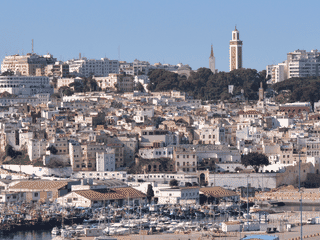

Tangier
Africa · Morocco
See also
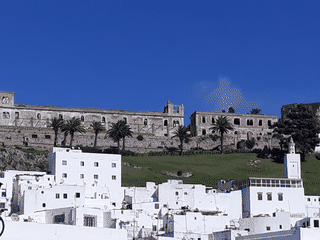

Tétouan
Morocco35.57°N 5.37°W · 90 m
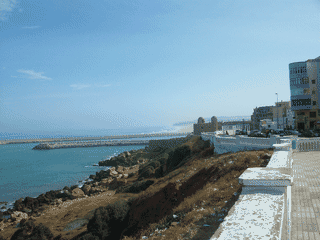

Larache
Morocco35.18°N 6.15°W
Tarifa
Spain36.02°N 5.60°W · 7 m
Overview
Tangier is a fascinating port city where north Africa, Spain, and France converge at the Strait of Gibraltar. Founded in the 5th century BCE, it has been contested by major European powers and was under international control from 1925 to 1956 as the Tangier International Zone.
Languages: Arabic, Berber
Why Go?
Tangier is a fascinating port city where north Africa, Spain, and France converge at the Strait of Gibraltar. Founded in the 5th century BCE, it has been contested by major European powers and was under international control from 1925 to 1956 as the Tangier International Zone. The city was a spy center during World War II and the Cold War, and attracted cultural figures like William S. Burroughs, Henri Matisse, and Paul Bowles. Today it's the third-largest city in Morocco, a popular entry point from Spain, and home to the birthplace of Ibn Battuta, the great Berber explorer. The city offers a complex medina, Atlantic beaches, historic sites, and an international vibe at affordable prices.
Adapted from Wikivoyage contributors · CC BY-SA 4.0
Climate
The northwest of Morocco is the wettest part of the country. Summers are milder than in the south, and winters can be relatively cold. Facing the Atlantic directly, Tangier is usually a couple of degrees cooler than the Spanish side of the strait. The warmest months are July through September, with temperatures reaching 28°C, while January averages around 9°C. Rainfall peaks in November and December with over 100mm per month.
Adapted from Wikivoyage contributors · CC BY-SA 4.0
Getting In
Tangier is easily reached by ferry from Spain—the fast ferries from Tarifa (35 minutes) are most reliable, while longer crossings operate from Algeciras to Tanger Med. Tangier-Ibn Battouta Airport has international flights. Trains connect Tanger Ville station to Rabat, Casablanca, and Marrakech via the ONCF network. CTM and other bus companies serve destinations across Morocco. The taxi from Tanger Ville station to the medina costs about 15 dirham.
Adapted from Wikivoyage contributors · CC BY-SA 4.0
Getting Around
Tangier is easy to navigate with two main roads: Boulevard Mohammed V runs from near the Medina through the ville nouvelle, while Boulevard Mohammed VI follows the beachfront from the port to Malabata. The Medina is a complex maze of alleyways best explored on foot—most hostels are near the port area and within the old town. Grand taxis and petit taxis (cream-colored Mercedes) provide point-to-point transport around the city.
Adapted from Wikivoyage contributors · CC BY-SA 4.0
When To Go
The best time to visit is during spring (April-May) or fall (September-October) when temperatures are mild (15-25°C) and rainfall is moderate. Summer (June-August) is popular for beach activities but can be crowded. Winter brings cooler temperatures and more rain, but fewer tourists. The city hosts Tanjazz, an annual jazz festival with international performers.
Adapted from Wikivoyage contributors · CC BY-SA 4.0
Where To Stay
Accommodation ranges from budget pensions near the medina to luxury hotels on the beachfront. Budget rooms with shared baths start around 120 dirham at places like Hotel Royal or Pension Gibraltar. Traditional riads (Moroccan mansions) in the medina typically cost 300-500 dirham per night. Mid-range hotels like Hotel Marco Polo offer air-conditioned rooms from 450-600 dirham. Luxury options include Hotel El Minzah and Hotel Mövenpick on the beachfront. Camping Achkkar near Cap Spartel and Camping Miramonte 3km west of downtown offer alternatives.
Adapted from Wikivoyage contributors · CC BY-SA 4.0
Food And Drink
Moroccan specialties include tagines (stews) and couscous, best experienced at local restaurants like Restaurant Ahlen (50-90 dirham for tagine with bread, olives, cheese, and tea) or Restaurant Darna (60 dirham four-course menu). For quick meals, street food is abundant: fresh orange juice for 5 dirham, sandwiches for 10 dirham, and vegetable stalls in the souk for around 10 dirham. A locals' cafe serves cafe au lait for 5 dirham. Mint tea is ubiquitous. Upscale options include Saveurs de poissons for seafood (100-150 dirham), Otori Sushi for Japanese (120 dirham/person), and Cafe El-Hafa—a historic tea house opened in 1921 with views of the Strait of Gibraltar.
Adapted from Wikivoyage contributors · CC BY-SA 4.0
Things To Do
The entire city is worth exploring—walk along Avenue Mohammed VI beachfront to watch fishing boats and ferries from Spain. Visit the Kasbah and Kasbah Museum (20 dirham) for artifacts from Phoenician to modern times, plus panoramic views of the port and Spanish coast. The American Legation Museum (20 dirham) houses art and a Paul Bowles wing. See the tomb of Ibn Battouta, the famous 14th-century explorer born in Tangier. The Hercules Caves, 14km west, cost 10 dirham entry and offer stunning natural beauty. For sunrise and North African countryside, head to Cap Malabata 15km east. Football fans can catch matches at Ibn Batouta Stadium (75,500 capacity).
Adapted from Wikivoyage contributors · CC BY-SA 4.0
Safety
Central Tangier is generally very safe compared to many European cities, though caution is needed in the suburbs. The main risks are persistent touts and con-men in the medina who may offer help, hashish schemes, or inflated prices. Ignore touts or politely decline. Dress like a local to get actual prices instead of tourist inflated ones. Children may ask for money to guide you—saying 'Yes, but happily' usually gets a laugh and solitude. When arriving by ferry from Spain, ignore people offering help with immigration forms. Always verify exchange rates rather than trusting locals' rates. The Ben Mekada market is known as a rough area.
Adapted from Wikivoyage contributors · CC BY-SA 4.0
Budget
Tangier is very affordable for backpackers. A daily budget of 300-500 dirham covers basic needs. Budget accommodation: 120-150 dirham for basic rooms. Street food meals: 5-15 dirham. Local cafe breakfast: 5 dirham for coffee. Restaurant meals: 50-90 dirham for tagine. Local transport: 10-15 dirham per taxi ride. Intercity bus: 10-11 dirham to nearby cities. Museum entry: 20 dirham. For day trips, grand taxis cost around 50 dirham per person to Asilah.
Adapted from Wikivoyage contributors · CC BY-SA 4.0
Day Trips
Several destinations make excellent day trips from Tangier. Asilah, 20km south, offers a white medina and beaches—50 dirham by grand taxi or 11 dirham by bus. Chefchaouen, 120km southeast, is a blue-and-white Rif mountain village worth the longer journey. Tetouan, 60km southeast, has a UNESCO-listed medina and nearby beaches. Larache, 85km south, is a non-touristy town with Phoenician-Roman ruins of Lixus. The Spanish enclave of Ceuta is 65km northeast. The Hercules Caves, 14km west, can be visited in an afternoon for 10 dirham.
Adapted from Wikivoyage contributors · CC BY-SA 4.0
Etiquette
Morocco is a Muslim country—dress modestly, especially in the medina and around mosques. Bargaining is expected in the souk and most shops; always negotiate in dirham rather than euros. Tipping is customary, around 10% in restaurants. Remove shoes when entering mosques and some traditional homes. Request permission before photographing people, especially women. During Ramadan, avoid eating, drinking, or smoking in public during daylight hours.
Adapted from Wikivoyage contributors · CC BY-SA 4.0
Go Next
From Tangier, ferries connect to mainland Spain—fast ferries to Tarifa are most reliable, while Tanger Med to Algeciras routes may have irregular schedules. Buses and trains run south to Rabat (3-4 hours), Marrakech, and Casablanca. Grand taxis are available at major stations and the ferry port. Before leaving Morocco, spend or exchange your dirham—legally you may not export more than 1000 dirham. Regional destinations include Asilah (coastal town), Chefchaouen (blue mountains), and Tetouan (UNESCO medina).
Adapted from Wikivoyage contributors · CC BY-SA 4.0
Field guide adapted from Wikivoyage contributors · CC BY-SA 4.0. Text has been adapted and organized for this guide. About our sources.
Places to know
A few starting points from the guide. Check current hours and prices before you go.
- eat
Abou Tayssir
A Syrian restaurant
Adapted from Wikivoyage contributors
- eat
Bocadillo Abdelmalik
Fast food. A fabulous and cheap sandwich of kefta, egg, fries on a baguette at around 14 dirham (June 2015)
Adapted from Wikivoyage contributors
- eat
Café à l'Anglaise
In the heart of the Kasbah on the highest peak of the Medina of Tangier with panoramic views, It has a range of veggie meals and all dishes are cooked in traditional wood oven. It is 100% organic. The juice comes huge with no additive and some fresh ginger and pomme grenade.
Recorded price: €8 (Dec 2015)
Adapted from Wikivoyage contributors
- eat
Chez Hassan Bab Kasbah
Adapted from Wikivoyage contributors
- eat
Eric's Hamburger 1
Adapted from Wikivoyage contributors
- eat
Le Pagode
Chinese and Vietnamese restaurant with pleasant decor and friendly service. The food has received mixed reviews.
Adapted from Wikivoyage contributors
- eat
Oslo Pizza
Pizzas and snacks.
Adapted from Wikivoyage contributors
- eat
Otori Sushi
According to many reviewers the best Japanese food in Tangier, especially sushi.
Recorded price: about 120 dirham/person
Adapted from Wikivoyage contributors
Before you go
Connectivity
SIM cards from Maroc Telecom, Inwi, and Orange are readily available. WiFi is common in cafes and hotels. Morocco uses type C and E power plugs (220V).
Language
Darija (Moroccan Arabic), French, and Spanish are widely spoken. English is limited outside tourist zones. Learning a few words in Darija or French is helpful.
Money
Moroccan dirham (MAD) is the local currency. Euros are often accepted in tourist areas but expect poor exchange rates. Official exchange bureaus in the ville nouvelle offer better rates. Credit cards accepted at larger hotels and restaurants.
Safety
Tangier is generally safe, but beware of touts and con-men in the medina. Ignore persistent sellers and verify exchange rates. Tap water is safe but bottled water is recommended for visitors.
Transport
Grand taxis (shared Mercedes) and petit taxis (cream-colored) provide city transport. Intercity buses (CTM and others) and ONCF trains connect major cities. Ferries to Spain depart from Tanger Ville port and Tanger Med.
Visa
Many nationalities receive 90 days visa-free entry. Check current requirements before traveling. Tangier has an international airport with flights to Europe.