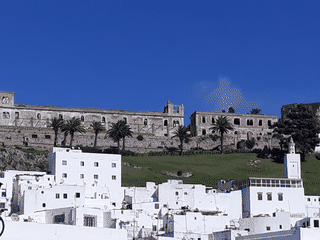

Tétouan
Africa · Morocco
See also
.jpg)
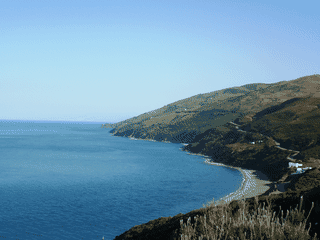
Oued Laou
Morocco35.45°N 5.08°W
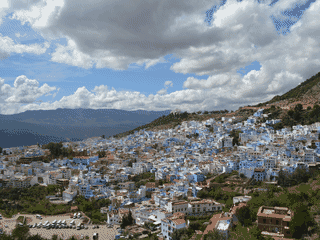

Chefchaouen
Morocco35.17°N 5.27°W · 564 m
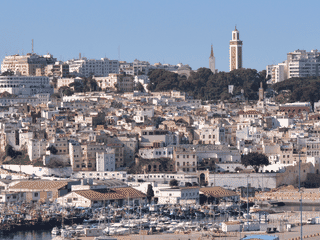

Tangier
Morocco35.80°N 5.83°W · 56 m
Tarifa
Spain36.02°N 5.60°W · 7 m
Overview
Tétouan is a northern Moroccan city with a UNESCO World Heritage-listed Medina that showcases Andalusian-inspired architecture and Spanish colonial influence. Many travelers only pass through on buses between Ceuta or Tangier and Chefchaouen, but the city rewards those who linger with a compact, walkable old town, excellent museums, and easy access to Mediterranean beaches and Rif Mountain trails.
Languages: Arabic, Berber
Why Go
Tétouan is a northern Moroccan city with a UNESCO World Heritage-listed Medina that showcases Andalusian-inspired architecture and Spanish colonial influence. Many travelers only pass through on buses between Ceuta or Tangier and Chefchaouen, but the city rewards those who linger with a compact, walkable old town, excellent museums, and easy access to Mediterranean beaches and Rif Mountain trails. The local culture blends Moroccan and Spanish traditions, making it particularly interesting for Spanish speakers.
Adapted from Wikivoyage contributors · CC BY-SA 4.0
When To Go
Tétouan enjoys a Mediterranean climate with hot, dry summers averaging 35°C and mild winters around 22°C. The city boasts abundant sunshine year-round. Spring (March-May) and autumn (September-November) offer the most comfortable temperatures for sightseeing and hiking. Summer can be intensely hot, while winter occasionally brings rain. Peak travel season aligns with European holiday periods.
Adapted from Wikivoyage contributors · CC BY-SA 4.0
Getting In
Sania Ramel Airport (6 km NW from Gare routière de Tétouan) is a small facility built by the Spanish colonial administration to serve Ceuta. Ryanair and Moroccan airlines provide domestic and international flights. The airport has limited facilities—one small coffee shop and intermittent WiFi. Overland arrivals commonly come via bus from Tangier (3-4 hours), Ceuta (1-2 hours), or Chefchaouen (2-3 hours). CTM buses and private bus companies serve the city from major Moroccan destinations.
Adapted from Wikivoyage contributors · CC BY-SA 4.0
Get Around
The city center is compact, and most tourist attractions and hotels are within walking distance. The CTM bus station requires a steep uphill walk to the center. Petite taxis are very cheap, though fares increase with luggage. Grand taxis serve nearby beaches like Martil (5 dirham single passenger), Cabo Negro, Rincon, Marina Smir, and Kabila. For less popular beach destinations requiring two taxi rides, you can bargain to buy the whole taxi for added comfort and time savings. The public bus system is operational but notorious for delays and poor cleanliness.
Adapted from Wikivoyage contributors · CC BY-SA 4.0
Where To Stay
Accommodation in Tétouan ranges from budget pensions to restored riads. Pension Iberia on Place Moulay El Mehdi offers rooms from 100 dirham with shared facilities. Hotel Panorama Vista on Avenue Moulay Abbas costs 300 dirham including breakfast. For mid-range options, Riad Dalia in the Medina starts from 250 dirham and features antique furniture with a terrace view. Blanco Riad and Hotel El Reducto represent higher-end choices at 600-1600 dirham, offering restored riads with modern amenities, free breakfast, and WiFi.
Adapted from Wikivoyage contributors · CC BY-SA 4.0
Food And Drink
Tétouan offers diverse dining from street vendors to restaurants. Za3Za3 is a locally famous milk-shake-style juice made with avocado, banana, apple, almonds, and other ingredients. On Mohammed V Avenue, dozens of cafes and restaurants cater to visitors, along with street vendors. The central market area around Place Hassan II and Place Al Jala provides fresh local produce. For sweets and baked goods, Dallas teashop at 11 Rue Youssef Ben Tachfine offers brownies (5 dirham), croissants (2 dirham), and pots of mint tea (8 dirham). Full-service restaurants include Restinga Restaurant, Restaurant La Union, and Diamond Tetouan.
Adapted from Wikivoyage contributors · CC BY-SA 4.0
Things To Do
Tétouan's medina contains several historic gates (Babs): Bab El Okla houses the Ethnographic Museum (20 dirham, W-M 10:00-18:00); Bab Sebta, Bab Jiaf, Bab Mkaber, and Bab Saida mark other entrances. The Archaeological Museum displays items from Tamuda, Lixus, and Yebala excavations (10 dirham, W-M 10:00-17:30). Dar El Oddi Museum features "Visions of Tetouan" photo exhibitions (25 dirham, Tu-Su 10:00-18:30). The Museum of Modern Art occupies the old train station with Moroccan and Andalusian art (free admission). The Tannery near Bab Mkabar dates to the late 15th century. Hiking opportunities exist on Mount Dersa and Mount Ghorghiz surrounding the city. Mohammed V Avenue is a pedestrian-friendly evening promenade.
Adapted from Wikivoyage contributors · CC BY-SA 4.0
Connectivity
WiFi is available at select accommodations including Riad Dalia and Blanco Riad. Sania Ramel Airport offers intermittent WiFi. Mobile connectivity relies on Moroccan telecom providers with standard coverage in urban areas. Power outlets use European Type C and Type E sockets (220V/50Hz), standard throughout Morocco.
Adapted from Wikivoyage contributors · CC BY-SA 4.0
Stay Safe
Be alert at the bus station—since many travelers pass through, touts are common. When buying tickets, only deal with staff behind official counters, not anyone standing nearby. Some touts have accomplices who may falsely claim no buses are available to your destination. Persistence and willingness to wait deter these tactics. While some visitors find Tétouan full of hustlers, others appreciate the opportunities to make Moroccan friends, especially when speaking Spanish. The city center is generally safe for walking during daylight hours.
Adapted from Wikivoyage contributors · CC BY-SA 4.0
Day Trips
Mediterranean beaches are accessible by grand taxi from central Tétouan. Martil (5 dirham) is the closest beach town. Others include Cabo Negro, Rincon, Marina Smir, and Kabila. For mountain hiking, Mount Dersa and Mount Ghorghiz offer trails with views of the Rif Mountains. The Spanish enclave of Ceuta is approximately 1-2 hours away by bus. Chefchaouen, the famous blue city, is reachable as a day trip or overnight stay (2-3 hours by bus).
Adapted from Wikivoyage contributors · CC BY-SA 4.0
Go Next
From Tétouan, travelers commonly continue to Chefchaouen, a historic blue-painted city in the Rif Mountains. Oued Laou is a coastal town on the route to Chefchaouen. Tangier, a famous port city with ferry connections to Spain, is accessible via bus. Ceuta, the Spanish semi-exclave, is nearby for those crossing into Spain. Oujda in eastern Morocco near the Algerian border represents the furthest major destination.
Adapted from Wikivoyage contributors · CC BY-SA 4.0
Field guide adapted from Wikivoyage contributors · CC BY-SA 4.0. Text has been adapted and organized for this guide. About our sources.
Places to know
A few starting points from the guide. Check current hours and prices before you go.
- sleep
Blanco Riad
Beautiful hotel in a restored riad with lovely touches, such as stained glass windows on room doors. Friendly staff, nice garden area with a resident turtle, and good restaurant. Free breakfast and Wi-Fi.
Recorded price: Small double rooms 600 dirham, larger ones 900-1600 dirham
Adapted from Wikivoyage contributors
- sleep
Hotel El Reducto
Recorded price: From 600 dirham
Adapted from Wikivoyage contributors
- sleep
Hotel Panorama Vista
Breakfast included
Recorded price: 300 dirham, breakfast included
Adapted from Wikivoyage contributors
- sleep
Hotel Principe
Adapted from Wikivoyage contributors
- sleep
Pension Iberia
Relatively cheap, clean rooms, sink in the room, shared toilet, shower 10 dirham (warm).
Recorded price: From 100 dirham
Adapted from Wikivoyage contributors
- sleep
Riad Dalia
Dates from the 19th-century and used to be the house of the Dutch consul during the days of the Spanish protectorate. The rooms range from cheap singles to expensive palatial suites, featuring antique furniture, elegant fabrics and a traditional decor. Wi-Fi available. Beautiful terrace view. Every morning, a continental breakfast is served on site. The restaurant offers traditional dishes and guests can relax in the lounge.
Recorded price: From 250 dirham
Adapted from Wikivoyage contributors
- eat
Cafeteria Pizzeria Lisboa
Adapted from Wikivoyage contributors
- eat
Café Pizzeria Patesserie Jenin
Adapted from Wikivoyage contributors
Before you go
Culture
Tétouan has strong Spanish heritage from the colonial period. Local culture blends Moroccan and Andalusian traditions.
Language
Arabic and Spanish are primary languages. French is also widely understood. Dar Loughat language center offers Arabic courses.
Money
Moroccan Dirham (MAD) is the local currency. ATMs available at bus stations. Carrefour supermarket is notable as the only shop selling alcohol within 100 km.
Transport
CTM and non-CTM bus stations are central. Grand taxis to Martil beach cost 5 dirham per person. Petite taxis are cheap within the city.
Weather
Mediterranean climate: hot dry summers (35°C average) and mild winters (22°C average) with abundant sunshine year-round.