Overview
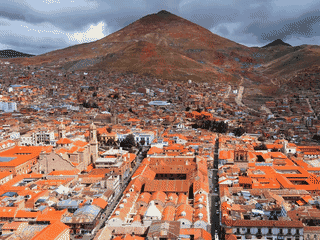
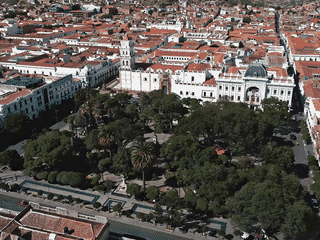
Sucre's UNESCO-listed historic center gathers around Plaza 25 de Mayo. The cathedral and Casa de la Libertad give the central square a strong architectural and historical focus.
Architecture · History · Food
Did you know?
- Casa de la Libertad preserves the setting where Bolivia's independence was declared.
- Tarabuco's Sunday market draws visitors from the city.
- Student demand supports inexpensive lunches upstairs in the central market.
Why Go?
Sucre, Bolivia's official capital known as 'la ciudad blanca' (the white city), is celebrated for its well-preserved neo-classical architecture and peaceful atmosphere—possibly the most tranquil city in all of South America. The UNESCO-listed historic center offers colonial-era churches, museums, and theaters, while the surrounding countryside provides dinosaur footprints, traditional villages, and mountain trekking. The city detains many travelers far longer than expected, making it ideal for those seeking a slower pace than Bolivia's larger cities.
Getting In
Sucre is accessible by air via Alcantarí International Airport (domestic flights from La Paz and Santa Cruz), or by bus through the Terminal de Buses Sucre, about 2 km from the center. Buses from Potosí cost Bs. 70-80 for full cama service (9 hr journey). Night buses to the Argentine border at Villazón depart at 20:00, arriving at 06:00 (Bs. 70-80, 9 hr). A taxi from the airport or bus terminal to the center costs approximately Bs. 4 per person.
Getting Around
Sucre is a compact city best explored on foot. Micros (minibuses) 3 and A run from Junín near the plaza to the bus terminal (Bs. 2.50 platform fee). Taxis within the city center cost around Bs. 4. For attractions outside town, public minivans to Tarabuco leave frequently (Bs. 10 one way, 2 hr), while Yotala is reachable for Bs. 4 (30 min). The red Dinobus to Cal Orck'o departs from the cathedral at Plaza 25 de Mayo (Bs. 15 round-trip, 30 min).
When to Go
Sucre enjoys a subtropical highland climate with stable temperatures year-round: daytime highs average 20°C, nighttime lows around 10°C. The rainy season runs November to March, while May to August are driest but coldest. Independence Day celebrations on 25 May bring parades and festivities to Plaza 25 de Mayo. The dry season (May-August) is ideal for trekking in the surrounding Cordillera de las Frailes.
Where to Stay
Budget hostels cluster near the central plaza, with dorm beds from Bs. 30 and private rooms from Bs. 35-90. Hostal Pachamama (Calle Aniceto Arce 599) offers clean garden setting with free WiFi from Bs. 90 for doubles. Kultur Berlin Hostal (Avaroa 326) is popular for its weekend party atmosphere at Bs. 60. For mid-range options, Hotel Parador Santa Maria la Real (Bolivar 625) occupies an 18th-century mansion with historical details. Casa Verde B&B (Calle Potosi 374) offers pool, hot showers, and helpful owner from US$27.
Food and Drink
Sucre's large student population ensures many inexpensive eateries. The cheapest lunches (from Bs. 8) are found upstairs in the central market. Salteñas (large meat-filled empanadas) are available at stalls on lower Calle San Alberto. Market lunches at Mercado Campesino can cost as little as Bs. 3. Bohemio's (Junin 433) offers 4-course lunch for Bs. 15. Florin (Bolivar 567) serves Bolivian and international dishes with good coffee and WiFi. For chocolate, visit Chocolates Para Ti or Chocolates Taboada shops near the central plaza. La Posada (Audiencia 92) offers a vegetarian-friendly Sunday buffet for Bs. 40.
Things to Do
Sucre's UNESCO-listed historic center centers on Plaza 25 de Mayo, surrounded by the cathedral, Casa de la Libertad (where independence was declared on 25 May 1825, Bs. 30 foreigners), and numerous churches. The 5,000+ dinosaur footprints at Cal Orck'o (Parque Cretácico) include 68 different species; Dinobus tours cost Bs. 15 round-trip. Glorieta Castle (Bs. 29 foreigners) features three towers with Russian, Chinese, and Gothic themes. Trekking options include Maragua crater (30.5 km, 2 days, hilly terrain) and the 7 Cascadas waterfalls (8 km NE, Bs. 1.50 by bus). Spanish schools like Fenix or Spanish in Sucre (US$3.50/hr group lessons) offer cultural immersion.
Connectivity
All three major Bolivian operators—Entel, Viva, and Tigo—provide 4G coverage throughout Sucre. SIM cards are inexpensive and widely available. Internet cafes charge approximately Bs. 2 per hour; one reliable spot is the corner of calle Calvo and calle Padilla. WiFi hotspots include Joy Ride Cafe, Florin, Kulturcafe Berlin, Hotel Kolping, Amsterdam, and La Posada. Free but slow WiFi is available in the central plaza.
Budget
Sucre is extremely budget-friendly. Street food and market meals cost Bs. 3-8, restaurant lunches Bs. 15-25, and dinners Bs. 20-45. Local bus rides are Bs. 1.50-2.50, taxis within center Bs. 4, and intercity buses to Tarabuco Bs. 10. Museum entry typically runs Bs. 10-30 for foreigners. Budget accommodation ranges from Bs. 30 (dorm) to Bs. 90 (private room). A reasonable daily budget is Bs. 80-150 excluding accommodation.
Safety
Sucre is generally safe, but beware of the plain-clothes police officer scam, which particularly targets women travelers near the central plaza. If approached, walk to the plaza where uniformed police are usually present. Mercado Campesino has a reputation for pickpockets—secure valuables. Common-sense precautions against petty theft are recommended at all crowded locations. The 7 Cascadas hiking area has had robbery concerns historically but was reported safe as of 2016.
Day Trips
Tarabuco's famous Sunday market is a popular half-day trip, reachable by frequent minivans (Bs. 10 one way, 2 hr). Markets are best before lunch. Maragua crater offers unusual rock formations and marine fossils; the 30.5 km trail takes 2 days but can be done as a challenging day hike with proper preparation. Yotala (Bs. 4, 30 min by minivan) is a pleasant small town, with Nucchu village accessible from there for its preserved hacienda where Bolivia's first presidents stayed (Bs. 80 for accommodation). Candelaria offers a less touristy alternative for handicrafts, though transportation is limited and a tour agency is recommended.
Etiquette
Sucre is relatively relaxed, but dress modestly when visiting churches (no shorts or tank tops). Removal of hats is customary inside religious buildings. Tipping is not expected but appreciated for good service. Bargaining is appropriate at markets but less so at established shops. When visiting indigenous villages near Sucre, consider bringing small gifts like pens, notebooks, or dried fruits rather than sweets—residents may lack access to dental care. Ask permission before photographing local people.
Go Next
Potosí, once Bolivia's wealthiest city and still an active mining town, is a 9-hour bus journey away (Bs. 70-80). Tours of the mines are a popular excursion. For travel to Argentina, direct night buses depart Sucre at 20:00 for Villazón border (Bs. 70-80, 9 hr); purchase tickets at the bus station, not from touts at the border. Within Bolivia, internal flights connect Sucre to La Paz and Santa Cruz. The surrounding Cordillera de las Frailes offers trekking opportunities for those staying longer.
Guide text adapted from Wikivoyage contributors under CC BY-SA 4.0.
Where to start
Eat
Bohemio's
Price when recorded: 4-course lunch Bs. 15
Eat
Cafe Monterosso
A hidden gem, and the best Italian restaurant in town. Almost pathologically averse to advertising (the signage is a 30-cm plaque next to the front door, which is kept closed - ring the bell), but nevertheless very popular among those in the know. Roberto is an exceptionally friendly host, and the food is delicious and inventive. It's a good idea to book a table, as the place fills up quickly.
Price when recorded: Bs. 35
Eat
Condor Cafe
Good selection of food and drinks (including specialties like stuffed potato and quinoa beer), middle-priced, very nice atmosphere. Local tourism agency Condor Trekkers works from there, so you can meet the guys (very friendly) and discuss with them different options for exploring Sucre surroundings.
Eat
El Germen
Serves a fusion of delicious Bolivian and German cooking. All lunch specials (Bs.20) are vegetarian, but you can order meat dishes from the menu (menu dishes take a lot longer to come). Also has great desserts. The restaurant fills up quickly for lunch, so arrive early.
Eat
Florin
Serves a mix of Bolivian and international dishes, including shwarma, Thai and an Indonesian feast for two (or more). Great coffee, fantastic krocetten and good fast WiFi. Also doubles as a bar with live music. Cosy and great atmosphere, though it's reputed by some locals as the source of a few food poisoning cases. Nightly happy hour from 17:30 to 22:30 offers two-for-one drinks and a regular crowd. Has thumping events from time to time. Particularly popular with locals and the resident gringo population.
Eat
La Taverna
In the courtyard of the Alliance Francaise. Good French inspired food but using local ingredients and wine. Good continental breakfast at Bs. 20, but the place was rarely found open in the morning. Set menu for Bs. 45, from 12:00-15:00.
Eat
Novelle Cuisine
This parilla is the best steak in town. Bs. 30 for a huge bife de chorizo with fries and salad bar. A must for meat eaters. Cheap wine to boot.
Eat
Patio de Comidas
An outdoor cooked food center inside Parque Bolivar that is frequented by only locals. Mainly meat and pizza. There are two stalls very cheap food from Bs. 3 with vegetarian options, don't ask, just eat.
Before you go
Connectivity
Entel, Viva, and Tego offer 4G coverage citywide. SIM cards are cheap. Internet cafes charge about Bs. 2/hour.
Food
Market lunches from Bs. 3-8. Salteñas at Calle San Alberto stalls. Famous for chocolates at Para Ti and Taboada shops.
Language
Spanish is official; Quechua is spoken in surrounding villages. Many Spanish schools cater to travelers (US$3.50-5/hour).
Money
Local currency is the Boliviano (Bs.). Cash is preferred at most establishments. ATMs are available but may have limits. Change is expected in small denominations for market purchases.
Safety
Beware of plain-clothes police officer scams targeting women near Plaza 25 de Mayo. Common petty theft occurs at crowded markets.
Transport
The bus terminal is 2 km from the center; taxis cost Bs. 4 per person. Micros 3 and A connect the terminal to downtown. Public minivans to Tarabuco leave frequently from Sucre.
Weather
Subtropical highland climate: mild year-round (20°C day, 10°C night). Rainy season November-March; driest May-August but coldest.