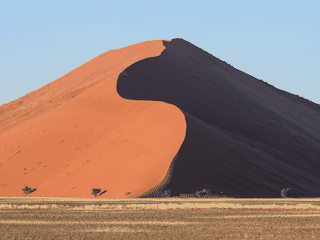

Sossusvlei
Africa · Namibia
See also
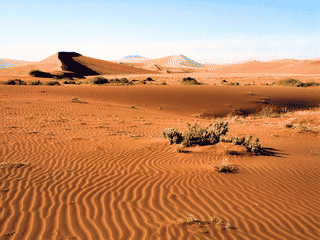

Namib-Naukluft National Park
Namibia24.55°S 15.33°E
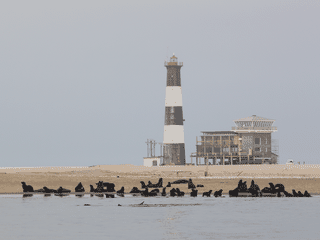

Walvis Bay
Namibia22.95°S 14.50°E · 6 m
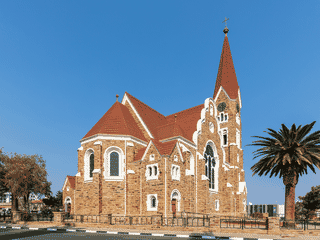

Windhoek
Namibia22.57°S 17.08°E · 1,650 m
Lüderitz
Namibia26.65°S 15.16°E · 6 m
Swakopmund
Namibia22.68°S 14.53°E · 6 m
Overview
Sossusvlei is the crown jewel of Namibia's Namib-Naukluft National Park—a surreal landscape of towering red sand dunes, ancient clay pans, and skeletal dead trees frozen in time for centuries. The Namib is the world's oldest desert, and these dunes—some reaching 450m—create one of the most photographed natural wonders in Africa.
Languages: Afrikaans, German, English, Herero, Khoekhoe, Kwangali, Lozi, Ndonga, Tswana
Why go?
Sossusvlei is the crown jewel of Namibia's Namib-Naukluft National Park—a surreal landscape of towering red sand dunes, ancient clay pans, and skeletal dead trees frozen in time for centuries. The Namib is the world's oldest desert, and these dunes—some reaching 450m—create one of the most photographed natural wonders in Africa. While wildlife isn't the main draw, springbok, gemsbok (oryx), and ostrich are commonly spotted. This is essential Namibia for anyone seeking stark desert beauty and bucket-list photography.
Adapted from Wikivoyage contributors · CC BY-SA 4.0
Getting in
Sesriem is the gateway, roughly a day's drive from Windhoek. The scenic route descends from the Great Escarpment via mountain passes—Spreetshoogte Pass is spectacular but steep and forbidden for trucks; Remhoegte and Bosua passes offer alternatives. From Sesriem to Sossusvlei is 65km; gates open at sunrise and close at sunset. The only way to reach the dunes at sunrise is staying at Namibia Wildlife Resorts accommodation inside the gate (Sossus Dune Lodge or Sesriem Campsite). Tour companies operate multi-day tours from Windhoek and Swakopmund. A park permit is required and can be purchased at the park office just inside the gate at Sesriem.
Adapted from Wikivoyage contributors · CC BY-SA 4.0
Getting around
The 65km road from Sesriem to Sossusvlei is tarred except the final 5km, which requires 4x4 due to deep soft sand. Driving takes about an hour from the gate to the 4x2 parking area. Shuttles run between the end of the tarred road and Sossusvlei for 260 N$ (kids free, December 2025) with stops at Deadvlei and Sossusvlei. Walking the 10km return is possible but has no facilities—visitors simply follow the road. Inexperienced off-road drivers often get stuck in deep sand, which is both an entertainment for guides and an environmental concern.
Adapted from Wikivoyage contributors · CC BY-SA 4.0
When to go
Sossusvlei can be visited year-round, but temperatures are extreme—scorching in summer (December-February) and pleasant in winter (May-September). The dry season (May-October) offers the clearest skies and most dramatic dune contrast. Sunrise visits are the highlight; climbing Dune 45 in darkness and watching dawn break over the world's oldest desert is unforgettable. The park gates open at sunrise (around 06:00) and close at sunset (around 19:00 in summer).
Adapted from Wikivoyage contributors · CC BY-SA 4.0
Where to stay
Only two Namibia Wildlife Resorts options exist inside the park gate: Sossus Dune Lodge (upscale, around N$3,000 per person, 25 chalets with canvas walls and thatch roofs at mountain foot) and Sesriem Campsite (N$490 per person, max 8 people, 24 sites with thorn tree shade and fire pits). Both are the only ways to see the dunes at sunrise—private lodges claiming proximity are effectively rip-offs since they must still pass through the gate. Numerous luxury lodges exist outside the park for those seeking premium desert experiences.
Adapted from Wikivoyage contributors · CC BY-SA 4.0
Food and drink
Options are extremely limited. A small general store at the Sesriem petrol station sells light meals (sausage, hamburgers). The NWR campsite has a bar, shop, and restaurant; the Sossus Dune Lodge restaurant is accessible to non-guests and considered a must-visit for its setting. Self-catering campers should bring all food and water from elsewhere. The Sesriem campground bar is the social hub after a hard day hiking in the desert.
Adapted from Wikivoyage contributors · CC BY-SA 4.0
Things to do
The essential activity is climbing one of the dunes—the views from the top are spectacular. Watching the sunrise from Dune 45 (named for being 45km from the gate, taking about an hour to climb) is unforgettable, but only possible for those staying inside the park. Hiking from the end of the tarred road into Sossusvlei offers intimate contact with mud flats, dunes, and occasional wildlife. Visit both Sossusvlei (living trees) and nearby Dead Vlei (completely cut off from water, dead tree stumps) for contrasting landscapes.
Adapted from Wikivoyage contributors · CC BY-SA 4.0
See
Sesriem Canyon lies just south of the petrol station—a small canyon perfect for sunset watching where you can climb down and walk the dry riverbed. Its Afrikaans name means "place where six thongs are required to get water" (ses = six, riem = thong). The Namib Desert surrounds everything, with dunes ranging from 100m to 450m including petrified dunes. Wildlife sightings may include springbok, gemsbok (oryx), and ostrich grazing among the pans.
Adapted from Wikivoyage contributors · CC BY-SA 4.0
Safety
The primary dangers are getting lost in the vast desert and dehydration—Namibia is an extremely dry country. Apply standard desert safety protocols: carry more water than you think necessary (at least 3-4 liters per person for a half-day outing), tell someone your plans, stay marked on trails, and avoid solo hiking deep into unmarked areas. The deep soft sand at the dunefields can trap 2x4 vehicles—if you don't have off-road experience, use the shuttle service rather than risk burying a rental car. Sun protection is essential year-round.
Adapted from Wikivoyage contributors · CC BY-SA 4.0
Go next
Windhoek (capital, 350km away) is the main hub for flights and onward travel. Swakopmund and Walvis Bay on the coast offer beaches, water activities, and a complete contrast to desert landscapes. The Naukluft Mountains provide hiking opportunities. Multi-day tours can combine Sossusvlei with Deadvlei, Sesriem Canyon, and coastal destinations into a comprehensive Namibian circuit.
Adapted from Wikivoyage contributors · CC BY-SA 4.0
Field guide adapted from Wikivoyage contributors · CC BY-SA 4.0. Text has been adapted and organized for this guide. About our sources.
Places to know
A few starting points from the guide. Check current hours and prices before you go.
- sleep
Sesriem Campsite
Campsite run by Namibian Wildlife Resorts. There are 24 sites with a thorn tree for shade and a fire pit at each site. Showers and toilets are available at the two ablution blocks and there is a swimming pool. There is also a bar with a small menu and gift shop in the building with the permit office. Reservations are made through Namibian Wildlife Resorts or some travel agencies and are recommended during the busy season.
Recorded price: N$490 per person (max 8 people per campsite). Namibians and SADC member citizens N$400 per campsite (4 people or less)
Adapted from Wikivoyage contributors
- sleep
Sossus Dune Lodge
This is the upscale option if you want to stay inside the park, with 25 individual chalets set at the foot of a mountain. The chalets have a wood frame with canvas walls and a thatch roof, and a veranda for taking in the view. There is a restaurant, bar and gift shop on site and a swimming pool.
Recorded price: Around N$3,000 pp. Guided tours to the dunes and drives in the park N$750. Reservations are made through Namibian Wildlife Resorts
Adapted from Wikivoyage contributors
- see
Dead Vlei
A completely white clay pan with ancient dead tree stumps—completely cut off from water sources for centuries. Surreal and hauntingly beautiful.
Adapted from Wikivoyage contributors
- see
Sesriem Canyon
A small canyon just south of the petrol station. It's a nice place to watch the sunset, and you can easily climb down into the canyon and walk along the dry riverbed. The old Dutch name means the place where six thongs are required to get water, ses meaning six, and riem meaning thong.
Adapted from Wikivoyage contributors
- see
The Namib Desert
All around, dunes ranging from 100m-450m, including some petrified dunes.
Adapted from Wikivoyage contributors
- do
Climb Dune 45
The most accessible dune climb, taking about an hour. Named for its distance from the gate. The view from the top is spectacular—perfect for sunrise.
Adapted from Wikivoyage contributors
- do
Hike from Tarred Road to Sossusvlei
Walk the 10km return from the parking area into Sossusvlei for close contact with mud flats, dunes, and wildlife. No facilities—follow the road.
Adapted from Wikivoyage contributors
- do
Sunrise at the Dunes
Climb Dune 45 or another dune in darkness, then watch sunrise paint the world's oldest desert in shades of orange and red. Only possible for NWR accommodation guests.
Adapted from Wikivoyage contributors
Before you go
Accommodation
Only two options inside the park: Sesriem Campsite (N$490/person) or Sossus Dune Lodge (N$3,000/person). Book NWR accommodation to see the famous sunrise.
Entry
Park permits required and purchased at the Sesriem gate office. Gates open at sunrise and close at sunset—plan accordingly.
Food
Limited food at Sesriem petrol station and NWR establishments. Self-caterers should bring all supplies from Windhoek or Swakopmund.
Transport
Rent a 4x4 if driving yourself; the last 5km to Sossusvlei requires 4x4 capability. Otherwise, shuttle buses run for 260 N$ from the tarred road's end to the dunes.
Water
Bring ample water (3-4L minimum) when exploring—the Namib is extremely dry and dehydration is the primary safety concern.
Weather
Extreme heat in summer (Dec-Feb); pleasant but cold mornings in winter (May-Sep). Sun protection essential year-round.