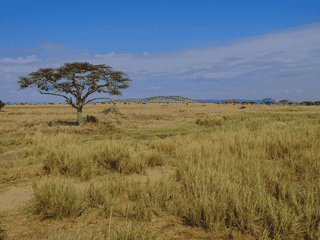

Serengeti National Park
Africa · Tanzania
See also
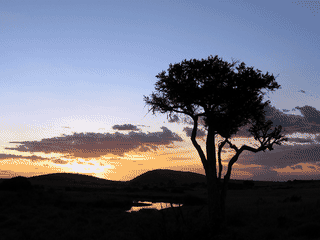
.jpg)
1.40°S 35.14°E
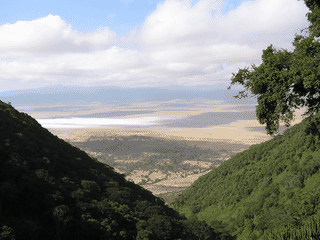

Ngorongoro Conservation Area
Tanzania3.21°S 35.46°E
Overview
Serengeti National Park is one of Africa's most iconic safari destinations, covering nearly 15,000 km² of endless savanna plains in northern Tanzania. The park is world-famous for the Great Wildebeest Migration, where nearly one million wildebeest and 200,000 zebras move across the landscape in a dramatic annual cycle.
Languages: English, Swahili
Why Go
Serengeti National Park is one of Africa's most iconic safari destinations, covering nearly 15,000 km² of endless savanna plains in northern Tanzania. The park is world-famous for the Great Wildebeest Migration, where nearly one million wildebeest and 200,000 zebras move across the landscape in a dramatic annual cycle. The name Serengeti comes from the Maasai language meaning 'endless plains,' and the park offers unparalleled wildlife viewing opportunities with the Big Five and countless other species.
Adapted from Wikivoyage contributors · CC BY-SA 4.0
Understanding the Park
The Serengeti is one of several conservation areas within the greater Serengeti region of East Africa. As well as conserving fauna, flora, and iconic landscapes, Serengeti National Park has emerged as a major tourist destination where visitors from all over the world come to engage in safari. The word 'safari' itself comes from Swahili, meaning 'journey.' The park's ecosystem supports one of the largest and most diverse animal populations on Earth.
Adapted from Wikivoyage contributors · CC BY-SA 4.0
When to Visit
The Serengeti follows the classic bimodal rain pattern of East Africa. The short rains occur in November and December, while the long and heavier rains fall from March to May. Mean monthly maximum temperatures remain constant at 27-28°C at Seronera year-round. Any time other than during the long rains in April and May is perfect for safari in Northern Tanzania. October and November offer the dramatic wildebeest migration from northern hills to the south, while April to June sees them moving west and north.
Adapted from Wikivoyage contributors · CC BY-SA 4.0
Getting In
Most visitors access the Serengeti via small aircraft, flying into the park's various airstrips from Arusha or other regional hubs. Alternatively, visitors can travel by 4×4 safari vehicle from Arusha, which takes approximately 6-8 hours depending on road conditions. Arusha is the primary staging point for Tanzania safari adventures and can be reached by bus or flight from Dar es Salaam.
Adapted from Wikivoyage contributors · CC BY-SA 4.0
Getting Around
Serengeti National Park is vast—covering nearly 15,000 km² (5,700 sq mi)—and distances between key areas can be considerable. Most visitors explore the park by 4×4 safari vehicle with an experienced driver-guide. Small aircraft are commonly used to travel between regions of the park, significantly reducing travel time. Game drives typically depart from lodges or camps each morning and afternoon.
Adapted from Wikivoyage contributors · CC BY-SA 4.0
Fees and Permits
Park fees in Tanzania are expensive. In Serengeti National Park and Ngorongoro Conservation Area, the park fee is US$71 per person per day. Camping costs an additional US$48 per person per night, plus US$30 per vehicle per day. These fees are typically included in package prices when booking through tour operators. Park rules prohibit approaching animals too closely, making excessive noise, picking flowers, discarding litter, exceeding 50 km/h speed limits, and going off roads within 16 km of Seronera.
Adapted from Wikivoyage contributors · CC BY-SA 4.0
Things to Do
Game drives are the primary activity in the Serengeti, offering opportunities to see lions, leopards, elephants, buffalo, and rhinos (the Big Five), along with wildebeest, zebras, giraffes, and countless other species. Photography is exceptionally rewarding—a good zoom lens and large memory card are essential. The park's kopjes (rocky outcrops) provide dramatic backdrop for wildlife photography. Hot air balloon safaris are available at additional cost through select operators.
Adapted from Wikivoyage contributors · CC BY-SA 4.0
Food and Drink
Most visitors are surprised by the quality and variety of food available on safari. Whether staying in a lodge, tented camp, or mobile safari camp, guests are served freshly prepared food meeting international tastes and standards. Local specialties to try include fresh roasted cashews, watermelon juice, and tiny sweet bananas or red bananas. Bottled water is available at all lodges and camps and is strongly recommended—avoid salad and unpasteurized dairy products which may cause diarrhea.
Adapted from Wikivoyage contributors · CC BY-SA 4.0
Drink
Coffee and mbungo juice are common non-alcoholic drinks found in the park. For alcoholic options, try Tusker lager (the popular East African beer) and Amarula, a cream liqueur made from the marula plant. Stick to boiled or bottled drinks to minimize risk of diarrhea. Non-alcoholic beverages are often included in all-inclusive safari rates.
Adapted from Wikivoyage contributors · CC BY-SA 4.0
Where to Stay
Accommodation in the Serengeti ranges from mobile camps that follow the wildlife migration to permanent lodges and luxury tented camps. Mobile camps offer an authentic experience with simple tents containing beds, camping toilets, and basic showers. Permanent tented camps provide more comfort with en suite bathrooms, hot showers, and solar lighting. Many lodges and camps operate generators or solar systems providing intermittent electricity.
Adapted from Wikivoyage contributors · CC BY-SA 4.0
Buy
Shopping within the Serengeti is extremely limited due to the absence of human settlements. For souvenirs, visit Arusha or other major towns where curio markets sell carvings, masks, Maasai spears, textiles, drums, tinga-tinga paintings, batik work, silk shawls, locally made jewelry, and coffee. The Arusha Heritage Centre offers a large variety of crafts and souvenirs. Some camps like Sayari Camp have small gift shops with locally sourced items, with proceeds supporting community programs.
Adapted from Wikivoyage contributors · CC BY-SA 4.0
Safety
The high altitude of some areas like Ngorongoro Crater can make nights very chilly despite pleasant daytime temperatures. Sunburn is a significant risk—bring and apply sunscreen regularly. Healthcare facilities are extremely limited in the region; for serious emergencies, evacuation may be required to Nairobi or home country. Always carry diarrhea medicine and be cautious with food and water. Follow all park rules regarding wildlife encounters and vehicle speed limits.
Adapted from Wikivoyage contributors · CC BY-SA 4.0
Day Trips
The Ngorongoro Conservation Area, a UNESCO World Heritage Site, is a popular extension to any Serengeti visit, located nearby with its famous crater hosting dense wildlife populations. The Masai Mara National Park in neighboring Kenya offers an alternative safari experience during certain seasons when the migration crosses the border. Arusha makes a convenient base for pre and post-safari arrangements.
Adapted from Wikivoyage contributors · CC BY-SA 4.0
Go Next
The park flows into neighboring Kenya where the ecosystem continues as Masai Mara National Park. Arusha serves as the gateway town for Northern Tanzania safaris, with easy connections to Kilimanjaro International Airport, Zanzibar ferries, and other destinations. Lake Manyara and Tarangire National Parks are other popular add-ons to a Serengeti itinerary.
Adapted from Wikivoyage contributors · CC BY-SA 4.0
Field guide adapted from Wikivoyage contributors · CC BY-SA 4.0. Text has been adapted and organized for this guide. About our sources.
Places to know
A few starting points from the guide. Check current hours and prices before you go.
- sleep
Kensington Camps
Kensington Tented Camps bring together the breathtaking beauty, teeming wildlife and cultural splendor of Africa in an intimate and elegant setting. Echoing with the sounds of the herds, rustling grasslands and crackling campfires, these exclusive camps offer the privacy of only 8 tents. Each camp is strategically located to host guests as they discover and follow the wildlife migration and clients can transfer conveniently between camps as part of a day’s game drive.
Adapted from Wikivoyage contributors
- sleep
Mapito Tented Camp
Mapito Tented Camp provides its guests with the most authentic Africa experience due to its colonial, old days hunter’s camp ambience. Sitting snugly in a clearing surrounded by Acacia trees its 13 spacious walk-in tents create an intimate atmosphere for only 30 guests while indulging them with the amenities of a big lodge, as all tents are equipped with running water, flush toilets, hot and cold water showers, electric lights and mosquito nettings.
Adapted from Wikivoyage contributors
- sleep
Mwanga Moto Mobile Luxury Camp
Mwanga Moto Mobile Luxury Camp is repositioned several times each season to track the Great Migration. The luxury East African-styled tents in the camp provide king-sized beds, fine linens, and en suite bathrooms with flush toilets and hot showers. Screened "doors and windows" look out onto breathtaking natural landscapes.
Adapted from Wikivoyage contributors
- sleep
Serengeti Migration Camp
Hidden among the rocky outcrops or kopjes of the vast, internationally renowned Serengeti plains is a camp that exudes a decadence reminiscent of old Africa. The Serengeti, is synonymous with low impact high action game viewing in a landscape untouched since the dawn of time. Richly furnished throughout, the camp provides a haven of sumptuous indulgence among the raw splendor of the surrounding bush. It’s spacious tents have been carefully placed to provide privacy and blend into nature’s architecture, overlooking the Grumeti River and its resident hippos. Surrounded by a 360 degree verandah deck and with a capacious, 45 m², internal floor space, each guest pavilion is a private sanctuary. The split level lounge, cigar bar, restaurant, sundecks and swimming pool are perched among the outcrops and overlook the vast and rugged landscapes that are home to the world’s greatest mammal migration.
Adapted from Wikivoyage contributors
- buy
Arusha Curio Markets
Markets selling carvings, masks, Maasai spears, textiles, drums, tinga-tinga paintings, batik work, and locally made jewelry.
Adapted from Wikivoyage contributors
- buy
Arusha Heritage Centre
Large variety of souvenirs and crafts supporting local artisans and community programs.
Adapted from Wikivoyage contributors
Before you go
Connectivity
Internet and phone connectivity are extremely limited in the park. Some luxury camps offer satellite internet at additional cost. Disconnecting is part of the experience.
Entry
Park fees are US$71 per person per day, plus US$48/night for camping and US$30/vehicle/day. Book through tour operators where fees are typically included.
Health
Bring sunscreen, diarrhea medication, and any personal medications. Healthcare is extremely limited—serious cases require evacuation. Stick to bottled water.
Language
Swahili is the national language; English widely spoken in tourist areas. Maasai is spoken by local communities. 'Safari' means 'journey' in Swahili.
Money
US dollars widely accepted for park fees and at lodges. Credit cards accepted at most camps but may incur surcharges. Limited ATM access—carry sufficient cash.
Safety
Follow park rules: maintain distance from wildlife, obey 50 km/h speed limits, stay on roads within 16 km of Seronera. No firearms or pets allowed.
Transport
Access via small aircraft from Arusha or 4×4 safari vehicle. Within the park, 4×4 vehicles with driver-guides are standard for game drives.
Weather
Best time to visit is October-November and December for the migration. Avoid April-May long rains. Temperatures average 27-28°C year-round.