
Ngorongoro Conservation Area
Africa · Tanzania
See also
_-_Flickr_-_romanboed.jpg)
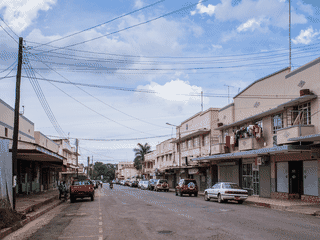
Arusha
Tanzania3.37°S 36.69°E · 1,387 m
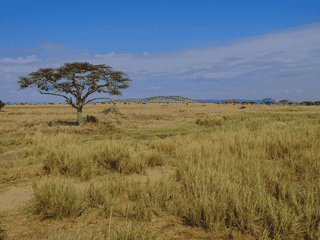

Serengeti National Park
Tanzania2.33°S 34.57°E
.jpg)
1.40°S 35.14°E
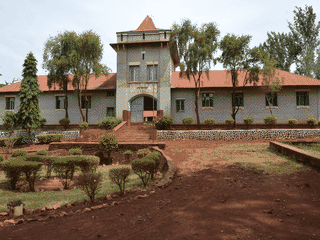

Moshi
Tanzania3.36°S 37.34°E · 830 m
Overview
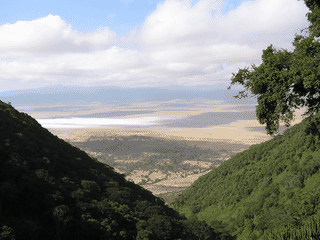
Ngorongoro Conservation Area is a UNESCO World Heritage site centered on the world's largest unbroken volcanic caldera, a natural enclosure teeming with lions, elephants, buffalo, flamingos, and the rare black rhino. Unlike flat savanna parks, the crater floor offers dramatic topography with soda lakes, swamps, and forests all within the caldera walls, making wildlife viewing intense and concentrated.
Languages: English, Swahili
Why go?
Ngorongoro Conservation Area is a UNESCO World Heritage site centered on the world's largest unbroken volcanic caldera, a natural enclosure teeming with lions, elephants, buffalo, flamingos, and the rare black rhino. Unlike flat savanna parks, the crater floor offers dramatic topography with soda lakes, swamps, and forests all within the caldera walls, making wildlife viewing intense and concentrated. The wider conservation area also includes the legendary Olduvai Gorge paleoanthropological site and the ascent route of the Maasai world's sacred volcano, Ol Doinyo Lengai. It serves as the premier short safari destination from northern Tanzania's hub, Arusha, combining world-class wildlife with human cultural heritage.
Adapted from Wikivoyage contributors · CC BY-SA 4.0
Understand
The Ngorongoro Conservation Area spans roughly 8,292 km² of highland plateau, crater, and savanna in Northeast Tanzania, managed separately from Tanzania National Parks (TANAPA) under its own authority. The centerpiece is the Ngorongoro Crater itself: an ancient volcano that collapsed roughly 2.5 million years ago, leaving a caldera 610 m deep and 20 km across. The steep crater walls create a natural enclosure where wildlife populations are unusually dense and self-sustaining. The NCA uniquely allows Maasai pastoralists to continue traditional grazing within the conservation area alongside wildlife tourism, a policy that distinguishes it from pure national parks.
Adapted from Wikivoyage contributors · CC BY-SA 4.0
When to go
The dry season from mid-May to mid-November offers the best wildlife viewing as animals congregate around water sources on the crater floor, with peak visibility from June to October. The short rainy season runs mid-November to mid-May, with a slightly drier lull in January and February; landscape photography improves with fresh green vegetation and dramatic skies. The crater rim is noticeably chilly between May and August—expect cold mornings at viewpoints even if the caldera floor heats up by midday. The western outer slopes are drier and more open savanna, while the eastern slopes support dense highland forest; this contrast shapes wildlife distribution and scenery. Afternoon temperatures on the crater floor can spike rapidly, especially October through March, making early-morning game drives essential.
Adapted from Wikivoyage contributors · CC BY-SA 4.0
Get in
Most visitors arrive on organized safaris departing from Arusha, the northern Tanzanian safari hub roughly 180 km west. It is significantly cheaper to organize a safari from Karatu, a highland town sitting just 10 km outside the conservation area gates, where independent drivers offer more personalized service. Using an independent driver means your payment goes directly to a Tanzanian individual rather than a large tour company, though vehicle reliability can be an issue—some travelers report vehicles breaking down or parts falling off on crater roads. The main entry gates are Loduare Gate and Naabi Hill Gate; all vehicles must check in here and display TANAPA park entry cards.
Adapted from Wikivoyage contributors · CC BY-SA 4.0
Fees and permits
Foreign visitors pay US$70.80 per person per day plus US$295 per vehicle per day to enter the Ngorongoro Conservation Area. Only prepaid TANAPA cards are accepted—no cash, no credit cards. Tanzanian citizens pay Tsh 15,000 per day. Many locals express concern that the bulk of these fees does not reach surrounding communities. Budget-conscious travelers should arrange multi-day safari packages from Karatu rather than Arusha to minimize overall costs, as park fees are fixed but guide and transport arrangements vary widely in price.
Adapted from Wikivoyage contributors · CC BY-SA 4.0
Get around
The Ngorongoro Conservation Area is vast and rugged, with steep crater walls, highland forests, and open plains that demand a 4×4 safari vehicle. Visitors on organized safaris are provided with a driver-guide who knows the terrain; independent travelers can self-drive with a rented 4×4 or hire a guide. Only 4×4 vehicles are permitted on the crater descent roads, which are steep, narrow, and can become slippery or fog-shrouded during rainy season (November–May). There are no public buses or regular shuttle services within the NCA; all movement is by private safari vehicle or on foot during guided activities.
Adapted from Wikivoyage contributors · CC BY-SA 4.0
Things to do
The main attraction is full-day game drives on the crater floor, typically departing before dawn to catch predators active at sunrise; the Big Five (lion, leopard, rhino, elephant, buffalo) are regularly seen within the caldera. Olduvai Gorge offers a small museum with two-million-year-old fossils and stone tools plus guided gorge walks explaining early human evolution. Empakaai Crater is a dramatic caldera with turquoise salt lake 300 m below the rim, ideal for hiking the rim trail. Olmoti Crater provides easier hiking through Maasai grazing land with views of eland, buffalo, and reedbuck. Ol Doinyo Lengai, the Maasai sacred volcano, offers challenging climbs from Lake Natron with views over the Rift Valley; this active volcano is known for its carbonatite lava.
Adapted from Wikivoyage contributors · CC BY-SA 4.0
Food and drink
There are no public restaurants inside the Ngorongoro Conservation Area; all meals are taken at lodges, tented camps, or designated picnic sites on the crater floor. Lodges serve buffets or plated meals mixing international cuisine with Tanzanian staples like grilled meats, stews, ugali, rice, chapati, and vegetables. For day crater drives, lodges prepare packed lunches typically including sandwiches, chicken, fruit, boiled eggs, pastries, and juice. Outside the NCA, Karatu has restaurants and cafés serving local dishes (nyama choma, ugali, banana stew) and Western-style food. Tented camps may offer campfire dinners and bush breakfasts. Inside the crater, always carry at least 1–2 liters of water per person as temperatures rise rapidly by mid-morning. Popular Tanzanian beers include Serengeti, Kilimanjaro, and Safari Lager; alcohol is prohibited during crater descent.
Adapted from Wikivoyage contributors · CC BY-SA 4.0
Where to stay
Accommodation ranges from crater-rim luxury lodges with caldera views to mid-range tented camps on the highlands, budget campsites, and fly-camping (basic tented experience) options. Staying on the crater rim provides unmatched sunrise views over the caldera but commands premium prices and cold nights; lodges like Ngorongoro Sopa Lodge and Ngorongoro Serena Safari Lodge occupy rim positions. Tented camps like Rhino Lodge offer mid-range comfort with proximity to the crater gates. Budget travelers can use campsites near Karatu or just outside the NCA gates, which provide a base for day-entry crater visits at lower cost. Wilderness camps and fly-camps inside the conservation area offer the most immersive experience but require advance booking and higher budgets.
Adapted from Wikivoyage contributors · CC BY-SA 4.0
Buy
There are no major shops inside the NCA; small kiosks at Loduare Gate and Naabi Hill Gate sell bottled water, snacks, postcards, hats, and basic supplies at inflated prices. Lodges host curio shops selling Maasai beadwork, shukas (blankets), carved wooden animals, woven baskets, jewelry, batik fabrics, and wildlife books—convenient but expensive. For better prices and wider selection, visit the markets in Karatu before or after your visit, where you can find textiles, Maasai souvenirs, spices, coffee, tea, and practical goods. ATMs are not available inside the NCA; the last reliable ATMs are in Karatu and Arusha, so withdraw cash before entering.
Adapted from Wikivoyage contributors · CC BY-SA 4.0
Safety
Ngorongoro is generally safe, but its wildlife, steep terrain, and high altitude demand respect and preparation. Wildlife—including lions, elephants, and buffaloes—freely roams the conservation area; never leave your vehicle during game drives except at designated viewpoints or picnic sites. The crater rim sits at 2,200–2,400 m altitude, which can cause mild headaches, fatigue, or shortness of breath; take it easy on the steep descent road and drink water. Temperatures swing dramatically: cold and windy on the rim (especially early morning May–August) and hot on the crater floor by midday (especially October–March). Crater descent and ascent roads are steep, narrow, and occasionally slippery; only 4×4 vehicles are permitted, and heavy rain or fog creates hazardous conditions. Mosquitos are present at lower elevations; use repellent, wear long sleeves at dusk, and sleep under mosquito nets. Lodges and camps inside the NCA are often unfenced—request an escort when walking after dark and stay inside once settled.
Adapted from Wikivoyage contributors · CC BY-SA 4.0
Go next
Serengeti National Park lies directly west, continuing the safari circuit and offering the Great Migration, big cats, and endless savanna. Lake Manyara National Park is a short drive south, known for tree-climbing lions, flamingos, and groundwater forests. Tarangire National Park further south is famous for massive elephant herds, iconic baobab trees, and excellent dry-season wildlife. Olduvai Gorge within the wider NCA offers the world-renowned archaeological museum and guided tours of early human evolution sites. Arusha serves as the main safari hub for northern Tanzania, ideal for rest, resupply, and onward flights. Karatu just outside the NCA is a charming highlands town with coffee farms, craft shops, and good mid-range lodging. Lake Eyasi offers cultural visits with Hadzabe hunter-gatherers and Datoga blacksmiths. Lake Natron to the north is a remote stark landscape of flamingos, volcanic formations, and the sacred Ol Doinyo Lengai volcano.
Adapted from Wikivoyage contributors · CC BY-SA 4.0
Field guide adapted from Wikivoyage contributors · CC BY-SA 4.0. Text has been adapted and organized for this guide. About our sources.
Places to know
A few starting points from the guide. Check current hours and prices before you go.
- see
Empakaai Crater
This extraordinary caldera (collapsed volcano) consists of a ring of cliffs encircling, some 300 m below, a salt lake around 6 km across. Its colours range from vivid turquoise to sparkling marine to pewter, depending on the time of day and the mood of the cloudscape.
Adapted from Wikivoyage contributors
- see
Ngorongoro Crater Floor
The caldera floor inside the world's largest unbroken volcanic crater, hosting dense populations of lions, elephants, buffalo, hippos, flamingos, and the rare black rhino.
Adapted from Wikivoyage contributors
- see
Ol Doinyo Lengai
is an volcanoes
Adapted from Wikivoyage contributors
- see
Olduvai Gorge
One of the most important sites for the investigation of human evolution and adaptive technology. There is a small museum with a collection that includes two million year old fossils and stone tools found in the gorge.
Adapted from Wikivoyage contributors
- see
Olmoti Crater
Beautiful landscape for a hiking safari. Olmoti Craters’s floor is shallow and covered with tussocks of grass. Besides the Maasai and their livestock you can sometimes see eland, buffalo and reedbuck.
Adapted from Wikivoyage contributors
- do
Hiking
Scenic hike in a canyon of a stream leading in to Lake Natron. Go and return to a small waterfall which you can dive through into a hidden cave. Guide is required.
Adapted from Wikivoyage contributors
- buy
Karatu Markets
Town markets outside the NCA offering textiles, Maasai souvenirs, spices, coffee, tea, and practical goods at better prices than gate kiosks.
Adapted from Wikivoyage contributors
- buy
Loduare Gate Kiosk
Small gate kiosk selling bottled water, snacks, postcards, hats, and basic supplies; prices higher than outside the NCA.
Adapted from Wikivoyage contributors
Before you go
Connectivity
Limited mobile coverage and WiFi inside the NCA; connectivity available mainly at lodges and Arusha. Arrange SIM cards and data in Arusha before entering the conservation area.
Health
Mosquitoes present at lower elevations; use repellent and nets. Discuss malaria prophylaxis with your doctor before travel. Tap water not safe to drink; bottled water provided at lodges.
Money
No cash machines inside the NCA; withdraw in Arusha or Karatu before entering. Park fees payable by TANAPA prepaid card only—no credit cards or cash accepted at gates.
Packing
Bring warm layers for early-morning crater drives, sunscreen, 1–2 liters of water per person, and headlamp for tented camps. Binoculars essential for crater wildlife viewing from viewpoints.
Safety
Never leave your vehicle during game drives. Altitude of 2,200–2,400 m can cause mild symptoms; take time on steep roads. Unfenced camps mean wildlife can pass through at night.
Transport
Only 4×4 vehicles permitted on crater roads; organized safari from Arusha or Karatu is the standard way to visit. Independent drivers available in Karatu at lower cost than Arusha-based companies.
Weather
Crater rim is cold (near freezing at night May–August); caldera floor heats up rapidly by midday especially Oct–Mar. Dry season (mid-May to mid-Nov) best for wildlife viewing.