.jpg)
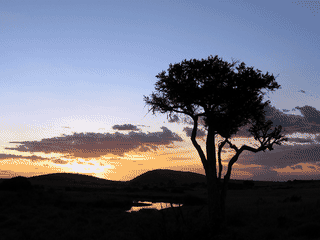
Maasai Mara National Reserve
Africa · Kenya
See also
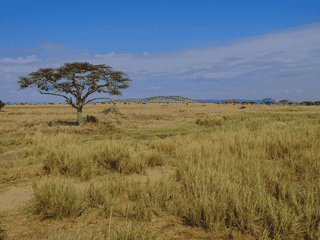

Serengeti National Park
Tanzania2.33°S 34.57°E
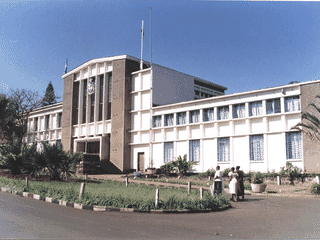

Kisumu
Kenya0.10°S 34.75°E · 1,131 m
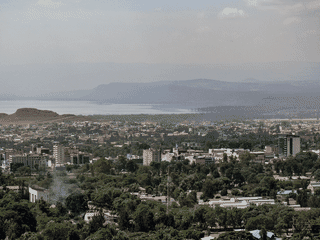

Nakuru
Kenya0.28°S 36.07°E · 1,850 m
Overview
Maasai Mara is one of Africa's most celebrated wildlife reserves, famous for dense predator populations (lions, cheetahs, leopards) and the annual Great Migration when 1.5 million wildebeest cross from the Serengeti. The reserve is one of the few places where you can spot all nine of Africa's "Big Nine" animals—lion, elephant, leopard, buffalo, rhino, cheetah, giraffe, zebra, and hippo—in a single game drive.
Languages: English, Swahili
Why go?
Maasai Mara is one of Africa's most celebrated wildlife reserves, famous for dense predator populations (lions, cheetahs, leopards) and the annual Great Migration when 1.5 million wildebeest cross from the Serengeti. The reserve is one of the few places where you can spot all nine of Africa's "Big Nine" animals—lion, elephant, leopard, buffalo, rhino, cheetah, giraffe, zebra, and hippo—in a single game drive. The Mara Triangle (northwestern third, managed by Mara Conservancy) offers better-controlled vehicle numbers and excellent road maintenance than the Narok County side, making it ideal for authentic wildlife viewing.
Adapted from Wikivoyage contributors · CC BY-SA 4.0
Arriving by air
Two carriers serve the Mara: Air Kenya (airkenya.com) and Safarilink (safarilink.com), both operating scheduled flights from Nairobi's Wilson Airport to Olkiombo Airstrip and other landing strips within the reserve. Flight time is roughly 45-60 minutes. From Olkiombo, most camps provide transfer pickups. Internal road access from Nairobi takes 5-6 hours via Narok (approx. 270 km), often on rough roads that require a 4x4 vehicle. Matatus from Nairobi's西部汽车站 run to Narok, then connect to the reserve gates.
Adapted from Wikivoyage contributors · CC BY-SA 4.0
Getting around
Movement inside the reserve is strictly by vehicle—never on foot outside camps and lodges, due to dangerous wildlife. A 4x4 safari vehicle is essential, especially during rainy seasons (April-May and November) when tracks become deeply rutted and muddy. Self-driving is possible but not recommended without off-road experience; most backpackers hire a guide through their camp or a local operator. Game drives typically depart at sunrise and late afternoon, the most productive times for predator activity.
Adapted from Wikivoyage contributors · CC BY-SA 4.0
When to go
The dry season (July-October) is peak viewing: herbivores graze on lush post-rains vegetation, and the Great Migration typically arrives between July and mid-September, peaking in August. The short rains (November) and long rains (April-May) make many areas inaccessible and muddy—May-June game viewing is difficult. Daytime temperatures range 25-30°C (77-86°F), dropping to 15°C (59°F) at night year-round. The altitude (1,500-2,200 m) keeps the climate milder than lower Kenyan reserves.
Adapted from Wikivoyage contributors · CC BY-SA 4.0
Where to stay
Accommodation ranges from budget camps to luxury lodges. Mara Explorers (from US$16) is the best budget option for independent travelers, offering hot water, electricity, and vehicle/guide connections. Manyatta Camp (US$120-180 double) sits just outside the Oloolaimutia Gate with park views and is reachable by matatu from Narok. For camping, the public campsite at Oloololo Gate offers showers, toilets, and ranger protection; the Serena Hotel campsite has basic longdrop toilets. Private riverside campsites require special booking fees. Budget travelers should stay in Talek, Sekenani, or Mara Rianta outside the reserve for cheaper local eateries ("hotels").
Adapted from Wikivoyage contributors · CC BY-SA 4.0
Food and drink
No public restaurants exist inside the reserve—all dining is at lodges and camps, most operating full-board or all-inclusive packages. Typical lodge meals include buffet breakfasts (eggs, fruit, pastries), packed picnic lunches for game drives, and multi-course dinners with Kenyan dishes like ugali, sukuma wiki, nyama choma, and chapati. Outside the reserve in towns like Talek and Sekenani, simple local "hotels" serve affordable Kenyan staples. At lodges, expect local beers (Tusker, White Cap), South African wines, and imported spirits at higher prices due to the remote location. Always drink bottled or filtered water.
Adapted from Wikivoyage contributors · CC BY-SA 4.0
Things to do
Game viewing is the primary activity—multiple day drives over several days maximize wildlife sightings. Guides from camps and lodges know the terrain and can spot predators you would miss alone. Balloon safaris offer dramatic aerial views of the plains (see article photo). A Maasai village visit near Oloolaimutiek gate (arranged through your guide, typically US$20 village fee plus transport) provides authentic cultural immersion with the opportunity to purchase handmade beadwork and jewelry. Some high-end camps offer wellness and massage services. Sundowners at scenic viewpoints are a classic safari ritual included in many lodge packages.
Adapted from Wikivoyage contributors · CC BY-SA 4.0
Safety
The Mara is very safe for visitors who follow guidelines. The primary danger is wildlife—never leave your vehicle during game drives unless your guide confirms safety; lions, buffaloes, elephants, hippos, and leopards are unpredictable even when calm. Many camps are unfenced, so request escorts when moving at night and never walk alone beyond lodge boundaries. Mosquitoes are year-round and malaria is a real risk—use repellent, wear long sleeves at dusk, and sleep under mosquito nets. Sun exposure is intense; bring sunscreen, a hat, and ample water on full-day drives. During the Great Migration (July-October), river crossings attract vehicle crowds—stay inside vehicles as predators concentrate around the rivers. Mobile reception is patchy; inform your lodge of daily plans.
Adapted from Wikivoyage contributors · CC BY-SA 4.0
Connectivity
Mobile phone coverage is limited or patchy throughout much of the reserve. Safaricom has the best network coverage but signals remain unreliable in remote areas. WiFi is available only at higher-end lodges and camps—budget options like Mara Explorers have no WiFi. Bring a local SIM card (Safaricom recommended) for emergency calls and basic internet access. Power plugs use UK Type G (three square pins, 230V/50Hz); lodges provide charging facilities. Most camps provide refillable water bottles to reduce plastic waste.
Adapted from Wikivoyage contributors · CC BY-SA 4.0
Budget planning
The reserve entry fee is US$100 per person per night (January-June) and US$200 per person per night (July-December, high season). This is the largest expense for independent travelers. Budget accommodation starts at US$16 (Mara Explorers) for dorm/basic tent options, while mid-range tented camps run US$120-180 per double. Full-board lodge packages typically include meals and game drives. Internal transport (4x4 with driver) costs vary but expect US$100-200 per day for a safari vehicle with guide. Balloon safaris cost US$450-500 per person. Budget an additional US$20 for Maasai village visits.
Adapted from Wikivoyage contributors · CC BY-SA 4.0
Day trips
The Mara Triangle (northwestern section) is the standout day trip destination—fewer vehicles, better road maintenance, and strict animal-sighting controls create a more authentic experience. The Mara Triangle is managed by Mara Conservancy while the rest of the reserve falls under Narok County Council. Several camps outside the reserve near Oloololo Gate (e.g., Kilima Camp) organize game drives into the Triangle. A Maasai village visit near Oloolaimutiek gate takes 1-2 hours and provides cultural context for the region.
Adapted from Wikivoyage contributors · CC BY-SA 4.0
Etiquette
When visiting Maasai villages, ask permission before photographing people and expect to contribute a village fee (around US$20). Buy beadwork and jewelry from villages ("manyatta") rather than from camps and lodges to support local communities directly. During game drives, follow your guide's instructions regarding wildlife proximity and vehicle positioning—blocking animal paths is considered extremely poor form. Dress modestly when outside camps. Sundowners may be restricted in certain reserve zones but are always permitted in private conservancies bordering the Mara.
Adapted from Wikivoyage contributors · CC BY-SA 4.0
Go next
For Lake Naivasha or Nakuru, get off at Mai Mahiu junction on Old Naivasha Road to bypass Nairobi's traffic, then catch matatus north. Other nearby parks include Tsavo West and Tsavo East National Parks, both accessible by road. Nairobi is the main international hub (5-6 hour drive or 45-minute flight). Mombasa is reachable via road or flight connections. The reserve sits within the Southern Rift Valley region of Kenya.
Adapted from Wikivoyage contributors · CC BY-SA 4.0
Field guide adapted from Wikivoyage contributors · CC BY-SA 4.0. Text has been adapted and organized for this guide. About our sources.
Places to know
A few starting points from the guide. Check current hours and prices before you go.
- sleep
Aruba Mara Camp & Safaris
Nice camp at Talek river near Talek gate. The camp has its own drivers, who are very familiar with the park.
Adapted from Wikivoyage contributors
- sleep
Aruba Mara Camp Site
Small, cozy, family-run and located directly at the Talek Gate by the river.
Adapted from Wikivoyage contributors
- sleep
Camp Oloshaiki
Nice camp at a good location at Telek river
Adapted from Wikivoyage contributors
- sleep
Camping at Oloololo gate
There is a public campsite next to Oloololo gate with shower and toilet facilities, and is very clean but basic, with great views over the Mara and the protection of the rangers camp nearby.
Adapted from Wikivoyage contributors
- sleep
Camping at Serena Hotel
There is also another public campsite next to Serena Hotel which has longdrop toilets.
Adapted from Wikivoyage contributors
- sleep
Camping at the river
The private campsites are located along the river and have a special booking fee.
Adapted from Wikivoyage contributors
- sleep
David Livingstone Safari Resort
David Livingstone Safari Resort is to the northeast of the Masai Mara National Reserve in Lemek Conservancy on a broad bend with hippo pools on the Mara River. The lodge is set in acre
Adapted from Wikivoyage contributors
- sleep
Governors’ Camp
Adapted from Wikivoyage contributors
Before you go
Connectivity
Safaricom has best coverage but reception is unreliable. WiFi only at upscale lodges. UK-style Type G plugs (230V/50Hz). Bring a power bank.
Culture
Buy Maasai beadwork from villages (manyatta) not from lodges. Village visits cost around US$20. Ask before photographing people. Respect local customs.
Entry
Entry fee: US$100/person/night (Jan-Jun), US$200/person/night (Jul-Dec). Pay at park gates. Children under 8 enter free.
Food
All meals inside the reserve are at lodges/camps (full-board packages). Basic local eateries exist in Talek, Sekenani, and Sekenani outside the reserve. Always drink bottled water.
Health
Malaria is a real risk—use repellent, wear long sleeves at dusk, sleep under nets. Tsetse flies present; cover arms. Altitude reduces malaria risk slightly vs. lowland Kenya but prophylaxis is still recommended.
Money
Cash is king inside the reserve. Carry Kenyan shillings for village visits, tips, and small purchases. Credit cards accepted at upscale lodges but not at budget camps or local towns.
Safety
Never leave your vehicle during game drives. Many camps are unfenced—request escorts at night. Buffaloes, elephants, hippos, and lions are unpredictable. Mobile coverage is patchy; inform lodge of your plans.
Transport
Air Kenya and Safarilink fly from Nairobi Wilson Airport to Olkiombo Airstrip (45-60 min). Road access via Narok is 5-6 hours on rough roads; a 4x4 is essential. Matatus connect Narok to the reserve gates.
Weather
Dry season (Jul-Oct) is best for game viewing and the Great Migration. Rainy season (Apr-May, Nov) makes many areas muddy and inaccessible. Temperatures: 25-30°C day, 15°C night year-round. Altitude 1,500-2,200 m.