Santiago Atitlán
Mexico, Central America and the Caribbean · Guatemala
Did you know?
- The Catholic church dates to 1571.
- Street-food stalls appear around the main square after dark.
- The folk saint Maximón stays in a local house that changes each year.
See also
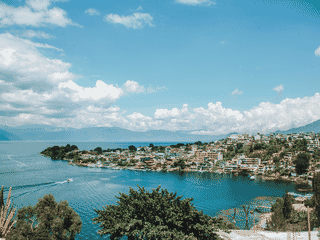

San Pedro la Laguna
Guatemala14.69°N 91.27°W · 1,610 m
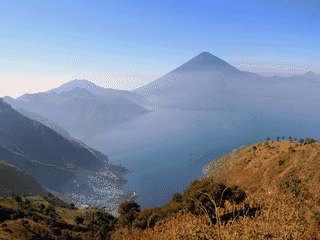

Lake Atitlán
Guatemala14.70°N 91.20°W · 1,562 m
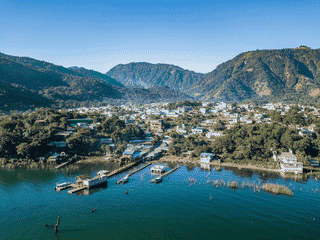

San Juan
Guatemala14.70°N 91.28°W
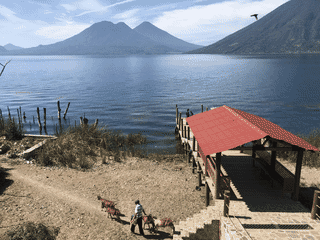

San Marcos La Laguna
Guatemala14.72°N 91.27°W · 1,460 m

Santa Cruz la Laguna
Guatemala14.74°N 91.21°W · 1,832 m

Panajachel
Guatemala14.74°N 91.16°W · 1,597 m
Overview
Santiago Atitlán's market street links the docks with a historic Catholic church. Woven textiles and volcanic jade carvings make the walk a natural focus for browsing.
Languages: Spanish
Why go
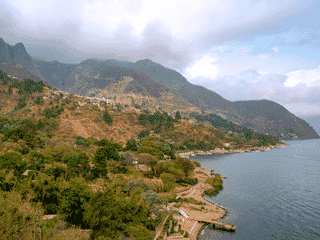
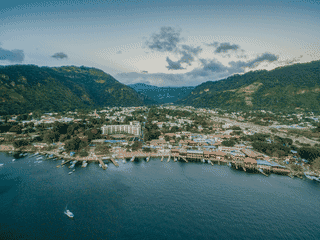
Santiago Atitlán offers a rare window into living Mayan culture—the town retains Tz'utujil as a first language and traditional dress remains common, unlike the more cosmopolitanized lake towns. The town has a traumatic but significant history as the first Mayan community in Guatemala to force out the military during the civil war, with a memorial to 14 locals shot by soldiers. Its lakeside position, looming San Pedro volcano, and notably relaxed atmosphere compared to party-heavy San Pedro make it appealing for culture-focused travelers seeking authenticity over nightlife.
Adapted from Wikivoyage contributors · CC BY-SA 4.0
Get in
Chicken buses run from Guatemala City (signs say "Guate-Atitlán"), dropping at the bus terminal on the east side of town. Pickup trucks serve the route from San Lucas Tolimán. Boats (lanchas) connect directly from Panajachel and San Pedro La Laguna—ask at the dock for current schedules. Travel agencies in Antigua, Xela, and the capital also arrange shuttle services. If driving, approach from San Lucas Tolimán; the road between Santiago and San Pedro has had armed robbery incidents historically. Occasional pickups run over the mountains from Chicacao in the south.
Adapted from Wikivoyage contributors · CC BY-SA 4.0
Get around
The compact town center is fully walkable. For faster transport or reaching outlying areas, tuk-tuks cruise the streets—hand them Q5 directly when you board for any trip within the town proper, rather than asking the fare.
Adapted from Wikivoyage contributors · CC BY-SA 4.0
See
The Catholic church dates to 1571, with three plaques giving historical context. The market street runs from the docks to the church, selling woven textiles, volcanic jade carvings, and allegedly ancient Tz'utujil artifacts. The Mirador Rey Tepepul viewpoint south of town (turn left in Cantón Panabaj off the Chicacao road) offers panoramic views of both the Lake Atitlán basin and the Pacific coastal slope—best visited in morning for clear skies; locals warn against going at dusk or night due to robbery risk and stray bullets from hunters.
Adapted from Wikivoyage contributors · CC BY-SA 4.0
Do
Climb Volcan San Pedro via the San Pedro side—take a lancha over first and hire a guide there (many bilingual). The Santiago-side climb is dangerously long; the San Pedro trail has stairs and handholds with an entrance fee. Attend Sunday mass at 10am to see locals in full traditional dress, Spanish hymns, and prayers in Tz'utujil. Find Maximón, a folk saint who resides in a rotating local house and moves each year around May—he accepts offerings of Q5 (Q10 for photos). Swim at Parque Xechivoy's lakeside pier at the south end of town (free), where locals also hand-wash laundry nearby. Birding tours to spot quetzales operate January through May, with January-May being peak season for the national bird; guides know specific nesting spots on unmarked jungle trails. Tour prices are negotiable to around Q300, with some higher-end options including Panajachel pickup. EntreMundos (based in Quetzaltenango) connects volunteers with NGOs throughout Guatemala, and many Spanish schools integrate volunteer opportunities.
Adapted from Wikivoyage contributors · CC BY-SA 4.0
Eat
Unlike other lake towns, Santiago stays open late—street food appears in market areas near the main square after dark, and some hole-in-the-wall spots don't open until 9pm. La Posada de Santiago is a famed restaurant on the outskirts with lakeside gardens. Restaurante El Pescador offers the best food in town, priced at Q40-80 and located on "calle gringo" near the center. Quila's is a cleaner option run by Belgian expat Martin; their licuados are locally praised, and the cafe has WiFi, ping pong, and stays open roughly 11:00-22:00.
Adapted from Wikivoyage contributors · CC BY-SA 4.0
Drink
Quila's serves as the most established upscale cafe-bar with beer, wine, and a large-screen TV. For more local color, explore the dive bars scattered through town—some are very traditional and cash-only affairs where Spanish or Tz'utujil is the norm rather than English.
Adapted from Wikivoyage contributors · CC BY-SA 4.0
Sleep
Low- to mid-range hotels provide the main accommodation, though value can be hit-or-miss. Vacation rental websites list houses and apartments for longer stays. Notably, there is no dedicated backpacker hostel in Santiago—the town leans toward tranquil family visits and cultural learners rather than party-focused budget travelers. La Posada de Santiago offers stone cottages (casitas) with lakeside pool, hot tub, temazcal steam bath, kayaks, and canoe rental about 1km south of town.
Adapted from Wikivoyage contributors · CC BY-SA 4.0
Stay safe
The town center is considered quite safe for walking, though drunk men and aggressive dogs can occasionally be a nuisance after dark. Before venturing into the surrounding mountains or deep countryside, ask locally about current conditions—armed robberies targeting tourists have occurred in some rural areas. The Santiago-San Pedro road has historically seen bandit roadblocks; approach from San Lucas Tolimán if driving. The Mirador Rey Tepepul is best visited in morning; dusk and nighttime carry robbery and stray-bullet risks.
Adapted from Wikivoyage contributors · CC BY-SA 4.0
Go next
Lanchas run regularly between Santiago, Panajachel (the main transportation hub for the lake), and San Pedro La Laguna (known for nightlife and language schools). San Lucas Tolimán lies to the east along the main road, offering access to the southern lake route. Shuttle services connect onward to Antigua, Xela, and Guatemala City through travel agencies in town.
Adapted from Wikivoyage contributors · CC BY-SA 4.0
Field guide adapted from Wikivoyage contributors · CC BY-SA 4.0. Text has been adapted and organized for this guide. About our sources.
Places to know
A few starting points from the guide. Check current hours and prices before you go.
- sleep
La Posada de Santiago
Little stone cottages (casitas) with lakefront swimming pool, hot tub, temazcal (steam bath or dry sauna--your choice), gardens, palapa, dock, canoe, kayaks, and pedal boat included in rentals. San Pedro Volcano is just across the way.
Adapted from Wikivoyage contributors
- eat
La Posada de Santiago (Restaurant)
Famed lakeside restaurant on the outskirts, known for its garden setting and international menu.
Adapted from Wikivoyage contributors
- eat
Restaurante El Pescador
Best food in town, mid-range pricing, located on calle gringo near the center.
Recorded price: Q40-80
Adapted from Wikivoyage contributors
- see
Iglesia de Santiago Apóstol (Catholic Church)
Church dating to 1571 with three historical plaques; nearby market street sells textiles and jade.
Recorded price: Free
Adapted from Wikivoyage contributors
- see
Market Street (Calle del Mercado)
Runs from docks to church, selling woven textiles, volcanic jade carvings, and allegedly ancient Tz'utujil artifacts.
Adapted from Wikivoyage contributors
- see
Mirador Rey Tepepul
A spectacular ridgetop roadside viewpoint, with platforms for viewing both the Lake Atitlán basin on one side and the coastal slope of Guatemala on the other side. Best to go in the morning for sunny weather. Considered potentially dangerous at dusk and nighttime, due both to robbery risk and stray bullets from hunters. Birding tours to see quetzals also start from here, but involve guided walks down unmarked, steep jungle trails. Arrive by your own vehicle or riding with farmers in the back of a pickup, from the south end of town near Parque Xechivoy (Q6).
Recorded price: free
Adapted from Wikivoyage contributors
- do
Birding Atitlán Expeditions
Perhaps the most established company for quetzal tours, known for their guides being expert birders. English spoken and very responsive on WhatsApp.
Recorded price: US$60 per person or US$100 for 2-3 people
Adapted from Wikivoyage contributors
- do
Climbing Volcan San Pedro
Take a lancha to San Pedro and hire a bilingual guide there; the San Pedro trail has stairs and handholds with an entrance fee. Do not attempt from the Santiago side—it's dangerously long.
Recorded price: Entrance fee + guide (negotiate to around Q300)
Adapted from Wikivoyage contributors
Before you go
Connectivity
WiFi is available at cafes like Quila's (with purchase). SIM cards and 4G coverage exist but reliability varies—check with local providers for tourist packages if needed.
Culture
Santiago Atitlán is primarily Tz'utujil-speaking; Spanish is widely known but expect Mayan as the everyday language. Traditional clothing remains common—dress respectfully when visiting churches or religious sites. The town remembers its civil war trauma with solemn pride.
Money
Guatemalan quetzal (GTQ) is the local currency. ATMs are limited in town—withdraw in Panajachel before arriving if possible. Cash-only establishments still common; carry small bills for tuk-tuks (Q5) and Maximón offerings.
Safety
Town center is safe for walking; drunk men and dogs are occasional nuisances. Rural mountain trails require local guidance—armed robberies have occurred outside town. Visit viewpoints during daylight hours only.
Transport
Lanchas are the scenic way to arrive or depart; chicken buses connect to Guatemala City via the east-side terminal. Tuk-tuks within town cost a flat Q5. Driving the San Pedro road carries historical robbery risk—use San Lucas Tolimán approach instead.