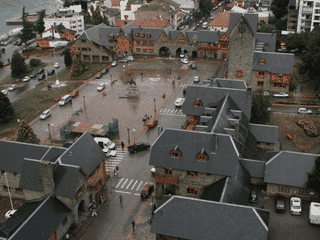

San Carlos de Bariloche
South America · Argentina
Did you know?
- Swiss-style fondue shares the table with Argentine parrilla.
- Cerro Otto pairs a cable-car ascent with a rotating restaurant.
- Cerro Campanario can be reached on foot or by chairlift for lake views.
See also
Nahuel Huapi National Park
Argentina41.00°S 71.50°W · 904 m
Villa la Angostura
Argentina40.78°S 71.67°W · 780 m
El Bolsón
Argentina41.97°S 71.53°W · 312 m
Overview
San Carlos de Bariloche pairs an alpine atmosphere with outdoor adventures in Patagonia. Trek in Nahuel Huapi National Park or head to Catedral Alta Patagonia for skiing.
Languages: Guaraní, Spanish
Why Go
San Carlos de Bariloche is the premier Patagonian destination for outdoor adventure seekers, offering world-class skiing at Catedral Alta Patagonia (the largest ski center in South America), dramatic trekking routes through Nahuel Huapi National Park, and a charming Swiss-influenced alpine village atmosphere. The city sits on the shores of Lake Nahuel Huapi surrounded by the Andes, with easy access to the famous Route of the Seven Lakes. Bariloche also draws visitors with its thriving craft brewery scene, numerous chocolate boutiques, and St. Bernard dogs on display at the civic center.
Adapted from Wikivoyage contributors · CC BY-SA 4.0
Get In
Bariloche is served by San Carlos de Bariloche International Airport (with connections to Buenos Aires and other major cities) and has a historic railway station (Estación San Carlos de Bariloche) located 2 km west of the city centre. The city is accessible by long-distance bus from Buenos Aires (approximately 20 hours) and other Patagonian destinations.
Adapted from Wikivoyage contributors · CC BY-SA 4.0
Get Around
Excellent public bus service is provided by a single company (My Bus) since 2017. Passengers can pay using the "Sube" contactless payment system with any debit or credit card, or with an official Sube card. Bus line 72 from the airport costs AR$5800 (December 2025), while other local routes cost AR$1895 (December 2025). For Dina Huapi northeast of Bariloche, a separate IC card called "Solución" is required. Local buses (20, 21, 10) serve attractions like Cerro Campanario (get off at km 17.8).
Adapted from Wikivoyage contributors · CC BY-SA 4.0
When to Go
Peak ski season runs July-August when accommodation prices are highest. Summer (December-February) sees peak prices for lake activities and trekking. The shoulder seasons (April-June, September-November) offer fewer crowds and moderate pricing. The city hosts festivals throughout the year, with winter focused on ski events and summer featuring outdoor celebrations.
Adapted from Wikivoyage contributors · CC BY-SA 4.0
Where to Stay
Bariloche accommodation ranges from budget hostels (dorms from AR$30-75) to luxury alpine resorts like Hotel Llao Llao. Hostels cluster near the city center on streets like Quaglia, Mitre, and Morales, while higher-end hotels line Avenida Bustillo near the lake. The budget hostel Periko's (named after the owner's dog) and La Justina (with free breakfast and bike rental) are popular choices. Camping Hostel Los Coihues in Villa Los Coihues offers both dorm beds (AR$50) and camping (AR$30) with kitchen access and river kayaking.
Adapted from Wikivoyage contributors · CC BY-SA 4.0
Food and Drink
Bariloche offers excellent dining with Argentinianparrillas, Swiss fondues, and international cuisine. El Boliche de Alberto (Ada María Elflein 158) serves what many consider the best meat in Argentina, with two locations including one 8 km outside town. La Fonda del Tio (Mitre 1130) specializes in milanesa with meals priced AR$18,000-20,000. Swiss-inspired La Casita Restaurante (Quaglia 342) offers fondues and raclettes. The city is famous for its craft breweries: Antares Brewery (Ada M. Elflein 47) features two-for-one pints during happy hour 18:00-20:00, while Cerveceria Bachmann (Vice Almirante O'Connor 1348) serves a bold creamy stout and aromatic framboise.
Adapted from Wikivoyage contributors · CC BY-SA 4.0
Things to Do
The region's natural attractions are spectacular: Cerro Otto offers panoramic views via cable car (AR$70 round trip including bus) with a rotating restaurant; Cerro Campanario provides stunning lake views reachable by ski-lift (AR$8000) or 30-minute hike. Catedral Alta Patagonia ski resort (19 km away) has 100+ km of runs and lift capacity of 22,200 skiers/hour. For hiking, the Cerro Frey trek is considered the best 1-3 day route, accessible by bus #52 from Villa Cathedral. Lake excursions from Puerto Panuelo include trips to Bosque Arrayanes (AR$160) and across to Chile via the famous Cruce de Lagos (US$230).
Adapted from Wikivoyage contributors · CC BY-SA 4.0
Stay Safe
Due to high tourist presence, petty crime occurs but the affluent nature of Bariloche makes it safer than Buenos Aires. Police presence is visible throughout. Never hike alone on trails near Piedras Blancas as robberies of tourists have been reported. Exercise caution with street money changers and carefully check all bills for counterfeits. Trail safety requires proper preparation, especially for multi-day treks like Cerro Frey where weather can change rapidly.
Adapted from Wikivoyage contributors · CC BY-SA 4.0
Connectivity
WiFi is widely available in hostels, hotels, and cafes throughout the city. Most hostels (including La Justina, Marcopolo Inn, Tango Inn) offer free internet and WiFi. Mobile coverage is provided by Argentine carriers with 3G/4G networks covering the urban area and main tourist routes.
Adapted from Wikivoyage contributors · CC BY-SA 4.0
Day Trips
El Bolsón (120 km south) is a hippie town with a twice-weekly outdoor flea market (closes around 15:00) accessible by El Valle bus (AR$24 one-way). Villa la Angostura (1.5 hours by bus, AR$52) is picturesque and the gateway to the famous Bosque Arrayanes 12-km trail. The Circuito Chico (25-km route) can be biked, hiked, or taken by bus (line 10 in summer). For adventure seekers, the Chilean border crossing at Paso El León leads to Cochamó Valley with a small police checkpoint for registration.
Adapted from Wikivoyage contributors · CC BY-SA 4.0
Go Next
From Bariloche, continue south to El Bolsón (AR$24) with its hippie market atmosphere, or head to Villa la Angostura (AR$52, 1.5 hours) for access to Los Arrayanes National Park. For Chile, hikers can cross at Paso El León to reach Cochamó Valley near Puerto Montt and Puerto Varas, completing border registration at the first police station in Chile.
Adapted from Wikivoyage contributors · CC BY-SA 4.0
Field guide adapted from Wikivoyage contributors · CC BY-SA 4.0. Text has been adapted and organized for this guide. About our sources.
Places to know
A few starting points from the guide. Check current hours and prices before you go.
- eat
Cassis Restaurant
Adapted from Wikivoyage contributors
- eat
El Boliche de Alberto
Has, according to some, the best meat in Argentina. There are two restaurants in town, and one located about 8 km out of town. Ask a taxi driver to take you there. Be aware that if you arrive after 20:00, you may have to wait in line for 30 min or more, especially if you are a party of 6 or more. El boliche de Alberto has a meat version of the restaurant which specialises in meats such as beef, chicken or pork etc. and there is a pasta version which serves a variety of different pastas.
Adapted from Wikivoyage contributors
- eat
Familia Weiss
Traditional Argentinian food with German influences. Dishes included lake trout, venison, etc. Rustic atmosphere.
Recorded price: AR$20,000
Adapted from Wikivoyage contributors
- eat
Friends
A splurge restaurant with great specials, salads and sandwiches and especially good pasta.
Adapted from Wikivoyage contributors
- eat
La Casita Restaurante Bariloche
One of the best regional restaurants in Bariloche. You also can ask Swiss specialties like fondues, raclettes and pierrades.
Adapted from Wikivoyage contributors
- drink
Antares Brewery
Nice variety of food and great beer. The barley wine is especially potent. Two-for-one pints during happy hour, every day 18:00-20:00.
Adapted from Wikivoyage contributors
- do
Asia Bar
Salsa evening every Friday, 01:00-05:00.
Adapted from Wikivoyage contributors
- buy
Benroth Chocolates
Popular chocolate shop known for quality confections.
Adapted from Wikivoyage contributors
Before you go
Accommodation
Prices peak during ski season (July-August) and summer (December-February). Budget hostels offer dorms from AR$30-75. Hotels line Avenida Bustillo for lake views.
Money
Argentine Peso (ARS) is the local currency. Street changers exist but verify bills carefully for counterfeits. Major credit cards accepted at hotels and restaurants; cash preferred at local markets.
Safety
Petty crime occurs near tourist areas. Never hike alone on city-accessible trails. Police presence is high throughout the tourist district.
Transport
My Bus serves all local routes with Sube contactless payment. Airport bus line 72 costs AR$5800, local routes AR$1895 (December 2025). Dina Huapi requires a separate Solución card.
Weather
Patagonian weather is unpredictable year-round. Summer (December-February) brings 15-25°C temperatures with long daylight hours. Winter (June-August) sees snow and sub-zero temperatures ideal for skiing.