Nahuel Huapi National Park
South America · Argentina
Did you know?
- Refugio Frey is a destination for a day hike.
- Regional menus feature trout, venison and Swiss-influenced fondue.
- The park extends across Neuquén and Río Negro provinces.
See also
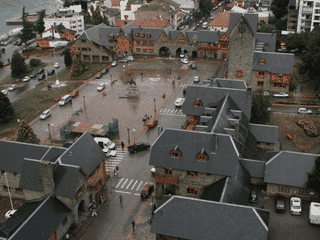

San Carlos de Bariloche
Argentina41.15°S 71.30°W · 794 m
Villa la Angostura
Argentina40.78°S 71.67°W · 780 m
El Bolsón
Argentina41.97°S 71.53°W · 312 m
Puerto Varas
Chile41.32°S 72.98°W · 56 m
Overview
Nahuel Huapi National Park encompasses Andean peaks, glacial lakes and trails to mountain refugios. Bariloche serves as the main base for exploring this part of Argentine Patagonia.
Languages: Guaraní, Spanish
Understand
Nahuel Huapi National Park spans the provinces of Neuquen and Rio Negro in Argentine Patagonia, with San Carlos de Bariloche serving as the main hub. The park encompasses glacial lakes, snow-capped Andean peaks, and mountain refugios accessible via trekking trails. Bariloche itself is known as Argentina's chocolate capital and honeymoon capital, offering nightlife alongside outdoor adventures. For park information and maps, visit Parque Nacional Nahuel Huapi at San Martin and Morales, or Club Andino for free maps, trekking advice, and shelter reservations.
Adapted from Wikivoyage contributors · CC BY-SA 4.0
Get in
Bariloche is reachable by air via Aerolineas Argentinas from Buenos Aires, by bus through Via Bariloche or Crucero del Norte, or by car via Interpatagonia routes. The city sits at the entrance to the Lake District and serves as the gateway to Patagonia. Bus travel from Buenos Aires typically takes 20-24 hours, while flights are approximately 2 hours.
Adapted from Wikivoyage contributors · CC BY-SA 4.0
Fees and permits
Park entrance fees of AR$120 apply at access points including Pampa Linda (Tronador) and for boat excursions, plus an AR$37 port tax. Mountain refugios around Bariloche—Refugio Frey, Refugio Lopez, Refugio San Martin, and Refugio Italia—offer free access. Trekking registration is required at the National Park Information Centre (San Martin 24) or online.
Adapted from Wikivoyage contributors · CC BY-SA 4.0
Get around
Bariloche has an excellent local public transport system connecting the city center to Llao Llao, Colonia Suiza, and Cerro Catedral. Tourist buses operate daily to Pampa Linda (Tronador) during summer months. Rental cars and taxis are available in Bariloche for accessing more remote areas of the park.
Adapted from Wikivoyage contributors · CC BY-SA 4.0
When to go
Summer (December-March) offers warm weather ideal for trekking, kayaking, and lake activities. Winter (June-September) brings skiing to Cerro Catedral, one of South America's premier ski resorts. Spring and fall provide fewer crowds but some facilities may have reduced hours. The lake district scenery is spectacular year-round with autumn foliage in March-April particularly striking.
Adapted from Wikivoyage contributors · CC BY-SA 4.0
Where to stay
Budget accommodation concentrates in central Bariloche, with hostels offering dorm beds from AR$30-60. The tourist office at Centro Civico provides full listings of budget and mid-range options. Mountain refugios like Refugio Frey and Refugio Lopez offer basic shelter for trekkers in the backcountry. Mid-range hotels and upscale lodges are available along the lakefront and near ski resorts.
Adapted from Wikivoyage contributors · CC BY-SA 4.0
Food and drink
The region is famous for barbecued meats at traditional Parrillas, with "Boliche de Alberto" being a notable establishment. Fresh trout and venison are local specialties at "Familia Weiss." Swiss-influenced fondue is available at "La Alpina," reflecting the area's European heritage. Pizza restaurants line Palacios Street, and chocolate shops throughout Bariloche offer local creations. Argentine beer, particularly "Blest" brewery, and mate tea are popular local drinks at establishments like Wilkenny and Pilgrim pubs.
Adapted from Wikivoyage contributors · CC BY-SA 4.0
Things to do
The park offers diverse activities: skiing at Cerro Catedral (Cerro Catedral Alta Patagonia), white-water rafting, kayaking through Puravid Patagonia, mountain biking on forest trails, rock climbing, kite surfing on lakes, canopy zip-line tours, paragliding, and golf at Llao Llao. The ferry to Puerto Frias provides lake access. Trekking routes include day hikes to Refugio Frey and multi-day traverses of the Andean foothills. Trek Bariloche maintains a comprehensive list of routes.
Adapted from Wikivoyage contributors · CC BY-SA 4.0
Safety
Trekkers must register their hiking intentions with the National Park at the Information Centre (San Martin 24) or online before departing on backcountry routes. Mountain weather can change rapidly; carry proper gear and inform someone of your plans. Swimming in glacial lakes is cold year-round. Road safety requires caution on winding mountain roads around the lake district.
Adapted from Wikivoyage contributors · CC BY-SA 4.0
Day trips
Villa la Angostura, about one hour from Bariloche, offers picturesque scenery and access to the famous Bosque Arrayanes (Arrayanes Forest) via a 12km trail. El Bolson, a 120km/75mi drive south, is a hippie town with a twice-weekly outdoor flea market and excellent Parrilla restaurants like "Las Brasas." Catedral Alta Patagonia ski resort provides dramatic mountain scenery and is a short drive from Bariloche.
Adapted from Wikivoyage contributors · CC BY-SA 4.0
Go next
From Bariloche, continue south to El Bolson for the hippie market and mountain valley scenery (AR$24 round trip via El Valle bus). Villa la Angostura provides access to the Bosque Arrayanes nature reserve. Catedral Alta Patagonia ski resort offers year-round mountain activities. Further south, the Patagonia region extends toward Tierra del Fuego and the southern glaciers.
Adapted from Wikivoyage contributors · CC BY-SA 4.0
Field guide adapted from Wikivoyage contributors · CC BY-SA 4.0. Text has been adapted and organized for this guide. About our sources.
Places to know
A few starting points from the guide. Check current hours and prices before you go.
- sleep
Aconcagua Hotel
Aconcagua Hotel is along San Martín Avenue. It is near the Civic Center, Lake Nahuel Huapi, and casino. 32 rooms. Each accommodation is equipped with a central heater, TV, Internet access, and toilet & bath with shower.
Recorded price: From US$53
Adapted from Wikivoyage contributors
- sleep
Alaska Hostel
Adapted from Wikivoyage contributors
- sleep
Cabañas La Farola
Adapted from Wikivoyage contributors
- sleep
Design Suites Hotel
Modern hotel (not all suite as the name might imply), with all the benefits (Spacious rooms, Free Wifi, Stunning Panorama Views, clever design touches) and drawbacks (Awful restaurant, no room service, staff not trained to deliver 5-star service) you expect from a boutique hotel. The suites themselves are not traditional suites, rather larger rooms with a couch and a balcony. 3 km from the city center.
Recorded price: Best rates on official website start at US$130
Adapted from Wikivoyage contributors
- sleep
Galileo Boutique Hotel
Along the base of Cerro Catedral.
Adapted from Wikivoyage contributors
- sleep
Grand Hotel Bariloche
Grand Hotel Bariloche is a 9-storey hotel (3,000 m²), which is at the main street in San Carlos de Bariloche. At half way in the commercial route of Mitre avenue and 100 m from the Nahuel Huapi lake. They offer 75 rooms organized in singles, doubles, triples and apartments. Mitre 408 - (8400) S.C. de Bariloche.
Recorded price: From US$37
Adapted from Wikivoyage contributors
- sleep
Hostel Refugio Patagonia
Feel at home with Tato and Sandra, they're building a big "quincho"/barbecue saloon.
Adapted from Wikivoyage contributors
- sleep
La Justina
A few blocks from the city center. Big, spacious rooms, cozy common spaces for relaxing,watching TV or DVDs, listening to music or playing games. Free internet and breakfast, a well stocked kitchen, and very friendly owners. They can help you with any tourist info you need, and rent bikes. Minihostels.com members get 10% off.
Adapted from Wikivoyage contributors
Before you go
Connectivity
WiFi available at hostels and cafes in Bariloche. Mobile coverage exists in the city and along major roads but may be limited in remote mountain refugios.
Entry
International visitors to Argentina typically need a passport. No special permits required for entering Argentina beyond standard immigration procedures.
Money
Prices in Argentina typically quoted in Argentine pesos (AR$). Major hostels accept cash and some credit cards. ATMs available in Bariloche for cash withdrawals.
Safety
Register trekking plans with the National Park before heading into backcountry. Weather conditions can change rapidly in the mountains.
Transport
Bariloche is accessible by air from Buenos Aires (Aerolineas Argentinas) or by 20-24 hour bus journey. Local buses connect to Llao Llao, Colonia Suiza, and Cerro Catedral.