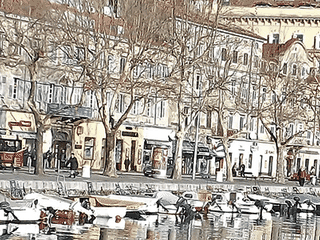

Rijeka
Eastern Europe and the Balkans · Croatia
Did you know?
- Peek & Poke collects vintage computers.
- The Governor's Palace houses the Maritime Museum.
- The Petar Kružić staircase climbs 561 steps toward Trsat Castle.
See also
Overview
Rijeka combines secession architecture with maritime museums. Its lively nightlife adds an evening dimension to a culture-focused city stay.
Languages: Croatian
Why Go?
Rijeka is Croatia's third-largest city and principal seaport, a cosmopolitan crossroads shaped by eight different passports between 1918 and 1991. In 2020 it held the title of European Capital of Culture, revealing a treasures trove of secession architecture, maritime museums, and vibrant nightlife without Dubrovnik's crowds. The city blends industrial grit with cultural depth—Titanic's Carpathia crew were Croatian, and the city was the world's first proto-fascist state.
Adapted from Wikivoyage contributors · CC BY-SA 4.0
Getting In
Rijeka Airport (RJK) sits on Krk island with seasonal flights; an airport bus connects to the city. Trains arrive at the central railway station with connections to Zagreb (€14), Ljubljana, and Vienna. Buses serve the main bus terminal Žabica with frequent departures to Opatija (#32, 20 min), Krk (€7), Zagreb (€6-17.50), Pula (€12.50), and international destinations. Jadrolinija ferries historically connected to Split, Dubrovnik, and Italian ports.
Adapted from Wikivoyage contributors · CC BY-SA 4.0
Getting Around
Most sights cluster in the compact city centre and are best explored on foot. City buses reach all beaches and outlying areas. To reach Trsat Castle, climb the historic 561-step Petar Kružić staircase or take a short bus ride. The AdriaGuide Rijeka mobile app aids GPS navigation. Taxis typically arrive within 10-15 minutes of calling.
Adapted from Wikivoyage contributors · CC BY-SA 4.0
When to Go
The Mediterranean climate makes Rijeka suitable year-round, though the bathing season runs from spring through late autumn. Summer brings festivals and nightlife; spring and autumn offer fewer crowds and mild weather. The Assumption of Mary holiday draws pilgrims to Our Lady of Trsat's Sanctuary.
Adapted from Wikivoyage contributors · CC BY-SA 4.0
Where to Stay
Budget travellers gravitate toward HI Hostel Rijeka (around €20-25 dorms), 100m from the sea at Pećine, 5 minutes by bus from downtown. Student dormitories near bus lines 6, 7, 7A, 20, 21 offer cheap beds even in summer. Mid-range options include Hotel Continental (from €57) and Hotel Jadran. For views, Hotel Neboder's 14 floors overlook the Istrian peninsula and Krk island.
Adapted from Wikivoyage contributors · CC BY-SA 4.0
Food and Drink
Rijeka's waterfront location means excellent seafood—local fish specialties dominate restaurant menus alongside meat and vegetarian dishes. Budget eats include fast-food spots, 24-hour Žabica buffet at the bus station, Submarine Burger, and Makrovega vegetarian. Mid-range taverns like Konoba Fiume offer moderate prices. For sweets, Cacao on Riva serves desserts. The city pulses with hundreds of bars and cafes, including three ship-bars in the harbour.
Adapted from Wikivoyage contributors · CC BY-SA 4.0
Things to Do
History buffs should tour Trsat Castle (1288, oldest fortification on the Croatian coast), the Maritime Museum in the Governor's Palace, and the Rijeka Tunnel WWII shelter. Tech lovers flock to Peek & Poke's vintage computer collection. Nature lovers explore the Natural History Museum's aquarium or climb 561 Trsat stairs. Active options include diving with Marco Polo Diving Center, swimming at Kantrida pools, or racing at Grobnik auto-moto track 10km away.
Adapted from Wikivoyage contributors · CC BY-SA 4.0
Nightlife
Rijeka delivers with hundreds of bars and clubs. Club Palach spans 4 floors with 3 bars, a free cinema, gallery, and comic store. Stereo dvorana hosts Croatia's best concert conditions. Three floating venues—Arca Fiumana, Marina club, and Club Nina2—anchor the harbour nightlife. Creative types love Cukarikafe's eclectic decor and terraces.
Adapted from Wikivoyage contributors · CC BY-SA 4.0
Buy
City centre shops open 08:00-20:00/21:00, Sundays variable. The 24-hour kiosk at Žabica bus station has cigarettes and newspapers. Tower Center Rijeka and Zapadni Trgovački Centar are the largest malls. For authentic souvenirs, visit the Tourist Information Centre, galleries with 'Authentic from Rijeka' labels (Mala galerija Bruketa, Galerija Art), or the Bazilisk shop inside Trsat Castle. Shop online at shop.rijeka.hr.
Adapted from Wikivoyage contributors · CC BY-SA 4.0
Connectivity
As of August 2024, Rijeka and the coastal highway have full 4G and 5G coverage from all three Croatian ISPs (T-Mobile, A1, Tele2). WiFi is widely available in public spaces, cafes, and restaurants. Croatia uses Type F electrical plugs (220V/50Hz).
Adapted from Wikivoyage contributors · CC BY-SA 4.0
Day Trips
Opatija, once the playground of aristocracy, is a 20-minute bus ride (#32) along the coast—perfect for swimming and fine dining at Le Mandrac in Volosko harbour. Daily catamarans link Rijeka to islands of Rab, Pag, Lošinj, Cres, Sušak, Unije, and Ilovik (up to €8 one-way). Krk island is 30 minutes by bus (€7). Pula's Roman amphitheatre is 1.5 hours away (€12.50).
Adapted from Wikivoyage contributors · CC BY-SA 4.0
Go Next
By bus: Opatija (20 min, frequent #32), Krk (€7), Zagreb (€6-17.50), Pula (€12.50), Ljubljana (€16), Trieste (€8), Zadar (€24). By train: Zagreb (€14), Ljubljana, Vienna. By ferry: islands via catamaran, with Jadrolinija ferry service to Split and Dubrovnik potentially resuming. Italian cities like Trieste make easy cross-border trips.
Adapted from Wikivoyage contributors · CC BY-SA 4.0
Field guide adapted from Wikivoyage contributors · CC BY-SA 4.0. Text has been adapted and organized for this guide. About our sources.
Places to know
A few starting points from the guide. Check current hours and prices before you go.
- eat
Buffet Nostalgija
Adapted from Wikivoyage contributors
- eat
GRAD eat,drink&mingle
Adapted from Wikivoyage contributors
- eat
Index
Adapted from Wikivoyage contributors
- eat
King’s Caffe food pub
Adapted from Wikivoyage contributors
- eat
Konoba Fiume
Adapted from Wikivoyage contributors
- eat
Makrovega
Adapted from Wikivoyage contributors
- eat
Maslina
Italian restaurant
Adapted from Wikivoyage contributors
- eat
Priroda i društvo
Vegetarian restaurant
Adapted from Wikivoyage contributors
Before you go
Connectivity
4G and 5G coverage from all three ISPs as of Aug. 2024. WiFi widely available in public spaces, cafes, restaurants. Type F plugs (220V/50Hz) in use.
Culture
Rijeka's unique identity stems from being ruled by 8 different countries between 1918-1991. Italian and Croatian influences blend here. 2020 European Capital of Culture status brought major renovations. Secession architecture dominates the old city.
Language
Croatian is official; Italian is de facto semi-official with many signs bilingual. Fiumani is a local Italian dialect. English widely spoken by young people and hotel/restaurant staff. Some German also understood.
Money
Croatia uses the Euro (€) as of 2023. Credit cards widely accepted in hotels, restaurants, and shops. ATMs available throughout the city. No mention of foreign transaction fees in the article.
Safety
Rijeka is generally safe for tourists. Standard urban precautions apply. No specific dangerous areas mentioned in the article.
Transport
City buses reach all beaches and areas. Bus #32 runs frequently to Opatija. Taxis available; JAM Transfer offers online booking. Rijeka Airport is on Krk island with airport bus. Central railway station and bus terminal Žabica are main hubs.
Weather
Mediterranean climate. Bathing season runs from spring through late autumn. Summers are warm and lively; spring and autumn offer milder weather with fewer tourists.