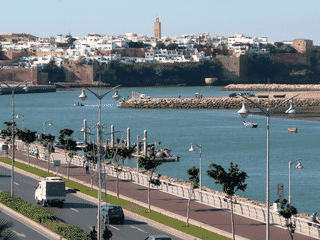

Rabat
Africa · Morocco
See also
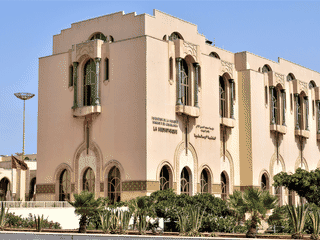

Casablanca
Morocco33.65°N 7.58°W · 115 m
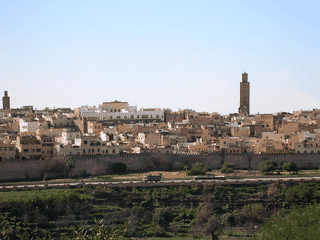

Meknes
Morocco33.90°N 5.55°W · 535 m
.jpg)
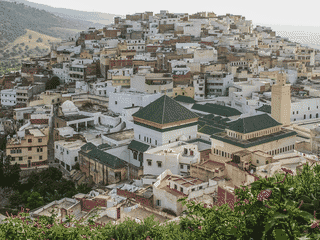
Moulay Idriss
Morocco34.05°N 5.53°W · 530 m
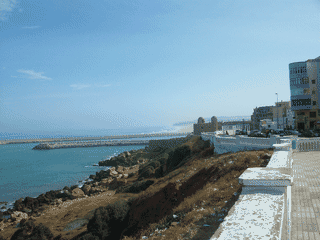

Larache
Morocco35.18°N 6.15°W
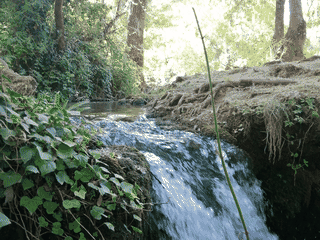

Ifrane
Morocco33.53°N 5.12°W · 1,713 m
.jpg)
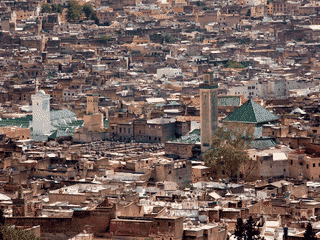
Fez
Morocco34.03°N 5.01°W · 408 m
Overview
Rabat is Morocco's capital and a UNESCO World Heritage Site, offering a calmer alternative to Marrakesh and Fez. The city sits on the Atlantic at the mouth of the Bou Regreg River, with the old city (medina), Kasbah of the Oudaias, and the 12th-century Hassan Tower within walking distance.
Languages: Arabic, Berber
Why go?
Rabat is Morocco's capital and a UNESCO World Heritage Site, offering a calmer alternative to Marrakesh and Fez. The city sits on the Atlantic at the mouth of the Bou Regreg River, with the old city (medina), Kasbah of the Oudaias, and the 12th-century Hassan Tower within walking distance. Together with Salé, it forms a metropolitan area of 2.6 million people, described as easy-going by Moroccan standards.
Adapted from Wikivoyage contributors · CC BY-SA 4.0
Getting in
Most tourists fly into Casablanca (CMN) and travel to Rabat by train (2 hours, frequent departures) or coach. Rabat-Salé Airport has daily flights to Paris, Brussels, and domestic destinations. The main bus station is Gare routière Kamra, about 5 km southwest of centre; take bus #36 from Bab El Had or a shared grand taxi from Av. Hassan II for 5 dirham. CTM buses also serve the city.
Adapted from Wikivoyage contributors · CC BY-SA 4.0
Getting around
Taxis are plentiful and cheap: a 10-15 dirham ride takes you to most destinations within the city. Bus #36 connects Bab El Had to the Kamra bus station. The HI Hostel is a 10-minute walk from the train station. A bridge, tram line, and boat (2 dirham) connect Rabat with Salé across the Bou Regreg river.
Adapted from Wikivoyage contributors · CC BY-SA 4.0
When to go
Rabat has mild winters (7-9°C January) and warm summers (17-18°C July-August), with most rain from November to February. The Mawazine festival of world music takes place annually in May featuring Arab, African, and international music icons. Jazz au Chellah is organized each year in June by the ministry of culture. Summer can be busy; spring offers pleasant weather for sightseeing.
Adapted from Wikivoyage contributors · CC BY-SA 4.0
Where to stay
Budget options cluster near the medina and Ville Nouvelle. HI Hostel Rabat (65 dirham per bunk) is on Rue Marassa Bab El Had with breakfast included. Hotel Central at 120 dirham single is 2 minutes from Rabat Ville Train Station. Hotel Splendide offers large rooms near the station for 100 dirham. Medina Surfing Association on Rue Porte Maoun provides hostel accommodation from €13 or 150 dirham per person with free breakfast and surf lessons for 250 dirham.
Adapted from Wikivoyage contributors · CC BY-SA 4.0
Food and drink
Inexpensive food stalls around the medina perimeter serve fish and salad sandwiches, lubia (beans), lentils, rotisserie chicken, and tagines. Stalls sell pancakes and pains au chocolat. Rue er Riyad's Le P'Tit Resto offers sandwiches for 35 dirham. Patisserie La Comedie on Ave Mohammed V has croissants for 4 dirham and ice cream for 6 dirham per scoop. Upscale Villa Mandarine is considered one of the best restaurants in the city.
Adapted from Wikivoyage contributors · CC BY-SA 4.0
Things to do
The Kasbah of the Oudaias (free entrance) is the oldest part with white-and-blue houses, Andalucian Gardens, and Oudaias Museum in a 17th-century palace. Hassan Tower and Royal Mausoleum are free and open 08:00-18:00. Chellah costs 70 dirham and offers Phoenician and Roman ruins plus a stork colony. Rue des Consuls recalls 17th-century pirate trading. The National Archaeological Museum is closed for restoration as of November 2019. Royal Golf Dar es Salaam (Tu-Su 06:00-22:00) spans 440 hectares.
Adapted from Wikivoyage contributors · CC BY-SA 4.0
Safety
Rabat is considered a safe city. Use common sense: avoid expensive jewelry, don't flash large amounts of cash, and avoid deserted areas at night. In the medina or on buses, keep a hand on your pockets. Women should avoid low-cut tops, midriffs, or shorts to minimize harassment, which usually consists of comments rather than physical contact.
Adapted from Wikivoyage contributors · CC BY-SA 4.0
Connectivity
Mobile providers Inwi, Orange, and Maroc Telecom cover Rabat. SIM cards and recharge cards are available at corner stores and company stands. Call the number on the recharge card to add credit. Users can buy multiple SIM cards and switch them out as needed.
Adapted from Wikivoyage contributors · CC BY-SA 4.0
Budget
Backpackers can get by on 300-400 dirham per day: dorm bed 65-150 dirham, street food meals 20-40 dirham, local transport 10-20 dirham. Museum entry is often free; Chellah costs 70 dirham, Zoo is 50 dirham (students 35 dirham). Draft beer at Le Deux Palais costs 31 dirham, small beers 17 dirham. A pint at Upstairs pub is 50 dirham.
Adapted from Wikivoyage contributors · CC BY-SA 4.0
Day trips
Salé (2 dirham by boat) has an older, narrower medina than Rabat with medieval walls and gates. Skhirat, 28 km away, offers beaches and developing resort area. Asilah and Larache are worth visits on the Northern Atlantic coast. Meknes in the east has a small navigable medina, a 4-hour journey from Rabat.
Adapted from Wikivoyage contributors · CC BY-SA 4.0
Etiquette
As a Muslim capital, modest dress is appreciated, especially near religious sites. Some sections of the medina selling traditional crafts are primarily visited by tourists, while Moroccans shop in areas with imported Asian clothing. The carpet shops near the end of the medina are popular with visitors.
Adapted from Wikivoyage contributors · CC BY-SA 4.0
Go next
Tangier is a 4-hour journey north at the Strait of Gibraltar. Meknes to the east has a navigable medina. Asilah and Larache offer Northern Atlantic coast escapes. Casablanca, Morocco's largest city, is reachable by train for those seeking urban intensity and contrast.
Adapted from Wikivoyage contributors · CC BY-SA 4.0
Field guide adapted from Wikivoyage contributors · CC BY-SA 4.0. Text has been adapted and organized for this guide. About our sources.
Places to know
A few starting points from the guide. Check current hours and prices before you go.
- eat
Cafe Maure
Amazing cafe that looks over the sea, where you can drink mint tea and eat sugary treats. The staff are very friendly and you can stay as long as you like soaking up the atmosphere.
Adapted from Wikivoyage contributors
- eat
Café Weimar
Adapted from Wikivoyage contributors
- eat
Dar Naji Agdal
Adapted from Wikivoyage contributors
- eat
El Rancho
Temporarily closed as of May 2022. Tex-Mex restaurant. Good food and one of the few places where you can get a decent beer.
Adapted from Wikivoyage contributors
- eat
La Mamma’s Pizza
One of the oldest pizzerias in town.
Adapted from Wikivoyage contributors
- eat
Le P'Tit Resto
Cafe and sandwich shop with lunch specials and desserts. 35 dirham for a sandwich.
Adapted from Wikivoyage contributors
- eat
Le Petit Beur
Delicious bstilla. Intimate setting.
Adapted from Wikivoyage contributors
- eat
Majestic
A Cafe
Adapted from Wikivoyage contributors
Before you go
Connectivity
SIM cards from Inwi, Orange, or Maroc Telecom widely available. Recharge cards sold at corner stores. Multiple SIMs can be used to manage different numbers.
Culture
Predominantly Muslim city with French and Arabic as primary languages. Modest dress recommended at religious sites. The easy-going atmosphere contrasts with busier Moroccan destinations.
Money
Moroccan Dirham (MAD) is the currency. ATMs available throughout the city. Cash preferred at markets and small establishments. Major credit cards accepted at upscale hotels and restaurants.
Safety
Generally safe; standard urban precautions apply. Women should dress modestly. Harassment is verbal rather than physical. Keep valuables secure in crowded areas.
Transport
Grand taxis (shared) run from Av. Hassan II near Total petrol station for 5 dirham to Kamra bus station. Bus #36 from Bab El Had also reaches the bus station. Petit taxis for intra-city travel.
Weather
Mild Mediterranean-Atlantic climate with January lows of 7°C and July highs of 27°C. Rain falls mostly November-February. Summer can be busy with Mawazine festival in May.