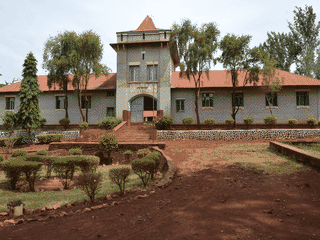

Moshi
Africa · Tanzania
See also
_-_Flickr_-_romanboed.jpg)
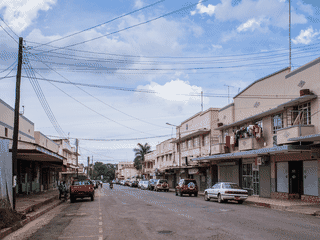
Arusha
Tanzania3.37°S 36.69°E · 1,387 m
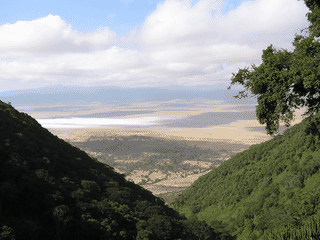

Ngorongoro Conservation Area
Tanzania3.21°S 35.46°E
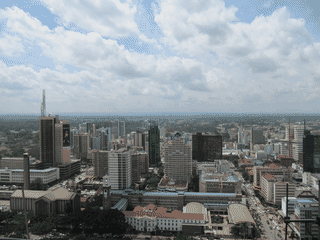

Nairobi
Kenya1.28°S 36.82°E · 1,661 m
Overview
Moshi is the main gateway town for climbing Mount Kilimanjaro, sitting on the lower slopes at 800m elevation. The town is home to three cultural groups: the Chagga (known for coffee cultivation and business sense), Maasai (mostly working as watchmen or selling traditional medicines), and Pare (from the nearby Pare Mountains 50 km toward Dar es Salaam).
Languages: English, Swahili
Why Go
Moshi is the main gateway town for climbing Mount Kilimanjaro, sitting on the lower slopes at 800m elevation. The town is home to three cultural groups: the Chagga (known for coffee cultivation and business sense), Maasai (mostly working as watchmen or selling traditional medicines), and Pare (from the nearby Pare Mountains 50 km toward Dar es Salaam). For backpackers not climbing the mountain, Moshi offers affordable coffee plantation tours, proximity to Northern Circuit national parks, and a relaxed base with good food options and reliable connectivity.
Adapted from Wikivoyage contributors · CC BY-SA 4.0
Getting In
Most visitors arrive by bus from Dar es Salaam (8-10 hours, early bus at 6:30AM via Dar Express leaves from Station Rd near the clock roundabout), from Arusha (2-3 hours), or from Nairobi via border crossing at Namanga. Buses from Dar cost around TSh 20,000-30,000. Local taxis from Kilimanjaro International Airport (30 km away) run approximately TSh 70,000. The article strongly warns against cheap bus companies with poor safety standards and drunk drivers.
Adapted from Wikivoyage contributors · CC BY-SA 4.0
Getting Around
The compact town center is walkable, but walking at night is strongly discouraged for safety. Taxis are plentiful; always negotiate the price before entering (most fares under TSh 5,000). Daladalas (16-seater minibuses carrying ~30 people plus livestock) serve surrounding villages like Machame and Marangu for TSh 500-3000. Boda bodas (motorcycle taxis) are the most dangerous transport option and have been linked to robberies in remote areas. Land Cruiser with driver costs around TSh 100,000/day, motorcycle rental around TSh 35,000/day. Avoid traveling by daladala or taxi up muddy tracks after heavy rain.
Adapted from Wikivoyage contributors · CC BY-SA 4.0
When to Go
The best time to visit Moshi for Kilimanjaro climbs is June-October (dry season), though this is also peak pricing season. March-May brings long rains making some roads difficult. The town itself can be visited year-round, with December-February being warm and clear for mountain views. Moshi's markets and cultural sites are always accessible, and coffee plantation tours run throughout the year.
Adapted from Wikivoyage contributors · CC BY-SA 4.0
Where to Stay
Moshi offers accommodation across all budgets. Budget options include Kilimanjaro Backpackers (TSh 14,000 single/US$8, TSh 24,000 double/US$15 including breakfast, near Chagga Street), Hostel Hoff (US$15/night, run by Irish woman, includes dinner, only western-style hostel), Haria Hotel (dorm TSh 10,000, double TSh 25,000, popular with volunteers, has rooftop bar), and YMCA Hostel (US$13-28/night, on edge of downtown toward Shantytown, has pool). Mid-range includes Kindoroko Hotel (US$25-45, tiny singles but great double rooms, amazing Kilimanjaro views from rooftop restaurant), Buffalo Hotel (TSh 15,000-30,000/US$10-15, cheap but decent), and Twiga Home in Soweto (US$12-24, modern with free shuttle and WiFi). Higher-end options exist but the focus is on affordable climbs rather than luxury stays. Avoid touts who will raise prices US$5-10 for their commission; one person should scope rooms while the other guards bags.
Adapted from Wikivoyage contributors · CC BY-SA 4.0
Food and Drink
Restaurant meals range TSh 2,000-8,000. Local staples include ugali (stiff porridge) and wali na maharage (beans and rice). The Coffee Shop on Hill Street is the favored lunch spot for tourists with good soup, spaghetti, milkshakes, and fair prices, also bakes cakes to order. Union Cafe near NMB bank is run by the KCNU coffee cooperative and roasts beans on premises, offering espresso, sandwiches, pizza, and breakfasts. Kilimanjaro Coffee Lounge (formerly Tanzanian Coffee Lounge) on Chagga Street serves excellent bagels, fruit plates, and smoothies. For Indian food, El Rancho Kilimanjaro is in Shantytown; IndoItaliano opposite the Buffalo Hotel offers pizza, Italian, and Indian dishes with balcony seating. Abba Ali's Hot Bread Shop near the banks sells excellent bread, honey, doughnuts, and cakes. The local market on Chagga Street offers fresh groceries. Local beers include Kilimanjaro, Safari, and Tusker; local liquor is Konyagi. Popular drinking spots: Police mess, East Africa Bar, KNCU restaurant (top floor of KNCU building), Siesta inn (15-minute walk from main street), Glacier pub in Shantytown (outdoor with local music nights), and La Liga (best nightclub, TSh 5,000 entry, beers TSh 2,500, ladies' night Sundays).
Adapted from Wikivoyage contributors · CC BY-SA 4.0
Things to Do
The central market is worth exploring for produce, household goods, clothes, and cheapest souvenirs (drums cost TSh 5,000 here vs TSh 30,000 on main streets). Visit the mosque near town center, the Commonwealth War Cemetery opposite the Magistrate's Court, and the former German administration office on Mawenzi/Nyerere Road (with the hanging pillar still visible). Three NGO/volunteer opportunities exist: Give a Heart to Africa (vocational school for adult women on Ushirika), Light in Africa (orphanage, school, and dispensary), and TEATEM (education and marketing placements). Honey Badger Lodge in Msaranga (6 km toward Dar, turn right at Msaranga petrol station) organizes tours from local drumming to national park safaris. Kili Hub is a co-working space for digital nomads with fast internet and backup power. Coffee plantation tours (Kahawa Shamba Tour) run by Union Cafe/Kilimanjaro Coffee Growers Cooperative are the most popular excursion.
Adapted from Wikivoyage contributors · CC BY-SA 4.0
Safety
Strongly advised not to walk around at night for personal safety. Avoid cheaper bus companies with poor safety standards and risk of drunk drivers. Boda bodas have been linked to drivers taking passengers to remote areas to rob or rape; if using them, ensure helmet straps work. Get a taxi driver's mobile number for emergencies. All internet cafes share the same backhaul connection, so if one is down, they all are. ATMs are protected by armed guards 24 hours.
Adapted from Wikivoyage contributors · CC BY-SA 4.0
Connectivity
Several internet cafes exist: Duma (beside Coffee Shop on Hill Street) also acts as a safari tour operator, EasyCom near the Clock Tower, Dot Cafe near TANESCO on Rengua Street, and Twiga on Old Moshi Road (first internet cafe in Moshi, also rents novels, movies, and trekking equipment). Rates are typically around TSh 1,500/hour. Some cafes offer Skype; others claim internet telephone services are illegal (state-owned telephone system). For mobile, GSM 900/1800 phones can use local SIM cards (Vodacom, Airtel, Tigo, or Zantel, cost TSh 1,000) with prepaid minutes; local phones cost around US$50. Data bundles are purchased via SMS. Post office near Clock Tower on Market St handles mail and PO boxes; DHL is opposite Dar Express office on Station Rd.
Adapted from Wikivoyage contributors · CC BY-SA 4.0
Budget
Daily budget for backpackers: accommodation TSh 10,000-25,000 (dorms to doubles), meals TSh 2,000-8,000 per restaurant meal, local transport TSh 500-3,000 per daladala ride, taxi negotiations should keep fares under TSh 5,000, internet TSh 1,500/hour. SIM cards TSh 1,000, airtime purchased as needed. Coffee tours and market souvenirs add minimal cost. Avoid expensive European imports in restaurants and bars.
Adapted from Wikivoyage contributors · CC BY-SA 4.0
Day Trips
Several day trips are possible from Moshi: Mkomazi, Arusha, Tarangire, and Manyara National Parks are all reachable as day trips. Banana and coffee plantation tours on the lower slopes of Mount Kilimanjaro include visits to nearby waterfalls, organized by Union Cafe (Kahawa Shamba Tour). Lake Chala and hot springs are popular excursions. The surrounding Pare Mountains are about 50 km toward Dar es Salaam. Shantytown (following Kibo Road north) offers relative wealth with several restaurants and hostels; Majengo (following Station Road east) is significantly worse off; Soweto (following Boma Road west) has expensive homes, FalconCrest Hotel and Pub, Scorpion Pub, and a good market near Scorpion Pub.
Adapted from Wikivoyage contributors · CC BY-SA 4.0
Go Next
Zanzibar is reachable in one day: take the early 6:30AM Dar Express bus to Dar es Salaam (full day journey), then the 4PM ferry to Stone Town. Dar Express office is near the clock roundabout on Station Rd opposite Kahawa House. Arusha is the main safari hub, 2-3 hours away, for those wanting extended wildlife experiences. Dar es Salaam offers beaches and international connections. For climbers, the Marangu Gate to Kilimanjaro National Park is the standard starting point.
Adapted from Wikivoyage contributors · CC BY-SA 4.0
Field guide adapted from Wikivoyage contributors · CC BY-SA 4.0. Text has been adapted and organized for this guide. About our sources.
Places to know
A few starting points from the guide. Check current hours and prices before you go.
- sleep
Bristol Cottages Kilimanjaro
Also available in combination with Expedition Kilimanjaro (see Climbs).
Recorded price: US$40-150/night
Adapted from Wikivoyage contributors
- sleep
Buffalo Hotel
Cheap but decent. The price is TSh 15,000, 20,000, 25,000, or 30,000 depending on a room type. The hotel is safe and clean with decent food.
Recorded price: US$10-15/night
Adapted from Wikivoyage contributors
- eat
Abba Ali's Hot Bread Shop
Sells excellent bread, honey, doughnuts, and other desserts, especially nice cakes.
Adapted from Wikivoyage contributors
- eat
Coffee Shop
Hill Street (in the center of town near Deli Chez). The favoured lunch time location for tourists, good soup, spaghetti, milkshakes, very fair prices, and near internet cafes; the coffee shop will also bake cakes on order (for birthdays and such). Closed on Sundays.
Adapted from Wikivoyage contributors
- eat
Deli Chez
Hill Street. Usually a lunch time destination but is open for dinner, a bit expensive, located on Hill Street. The menu is quite varied with Indian, Chinese in addition to pizza, burgers and American dishes. A good number of vegetarian choices. Ice cream and milkshakes. No alcohol available. Closed on Tuesdays.
Adapted from Wikivoyage contributors
- eat
El Rancho Kilimanjaro Restaurant
EL Rancho Kilimanjaro is an Indian Specialty Restaurant in Shanty Town, Moshi, Tanzania. The Restaurant provides healthy, delicious & tasty Indian Food.
Adapted from Wikivoyage contributors
- eat
Honey Badger Lodge
A relaxed restaurant bar which offers a fusion of quality Swahili food with international flair. Served the local way. Guests can dine with others or alone as they wish. You can call in ahead to book dinner from the set menu or request a special group BBQ.
Recorded price: US$1-12
Adapted from Wikivoyage contributors
- eat
Impala Hotel
Ideal for a Sunday afternoon of sitting by the pool and taking lunch.
Adapted from Wikivoyage contributors
Before you go
Connectivity
SIM cards (Vodacom, Airtel, Tigo, Zantel) cost TSh 1,000 and work on GSM 900/1800 phones. Internet cafes charge around TSh 1,500/hour. Post office near Clock Tower, DHL on Station Rd.
Culture
Moshi is home to Chagga, Maasai, and Pare cultural groups. Women gain respect by covering legs to the knees. Local beer includes Kilimanjaro, Safari, Tusker; local liquor is Konyagi.
Health
KCMC hospital requires TSh 50,000 just to see a doctor. St. Joseph's Hospital in Soweto (10-minute taxi) run by nuns charges only for tests and medication. Optometrists offer very decent prices for glasses.
Money
Major banks Stanbic, Equity, I&M, and Diamond Trust Bank DTB have Mastercard/Visa ATMs accepting international cards. Currency is Tanzanian shilling (TSh). Several forex bureaux near banks offer reasonable rates; hotels give less favorable rates. US dollars accepted for larger purchases but locals prefer shillings. As of 2009, traveller's cheques are largely refused (only Executive Change Bureau on Boma Rd accepts them with 10% commission).
Safety
Do not walk around at night. Avoid cheap bus companies. Use helmet on boda bodas. Get taxi driver contact for emergencies. ATMs are guarded 24 hours.
Transport
Taxis must be negotiated before boarding. Daladalas (16-seater minibuses) cost TSh 500-3,000 to surrounding villages. Boda bodas are dangerous. Land Cruiser with driver TSh 100,000/day, motorcycle TSh 35,000/day.
Visa
Visas obtainable at home country embassies/consulates or upon arrival at airports and border crossings.