Overview
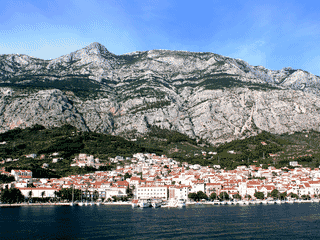
Korčula is the most populated island in the Adriatic Sea, lying off the Dalmatian coast near Dubrovnik. It offers a compact old town with Venetian walls and a distinct Moreška sword dance that no other place in the world performs.
Beach · Cycling · Festivals · History · Island
Before you go
Cycling
Mild winters make cycling viable year-round. Staff recommend Napoleonic roads and lesser-known trails over the main trans-island highway—easier and safer for bikers.
Festivals
Moreška sword dance performs Fridays in summer (€13.50). Korkyra Baroque Festival runs early September with ten concerts over two weeks. Summer Fisherman's Evenings in Lumbarda, Brna, and Vela Luka.
Food
Peka (slow-cooked meat and vegetables) requires ordering a day ahead. Don't miss local dishes: brodet, pašticada, and žrnovski makaruni. Desserts include klašun and prikle.
Language
Croatian is local; English is spoken at restaurants, cafes, tourist offices, and agencies. Italian is widely understood, especially among older residents. Some German is spoken.
Safety
Be wary of renting boats—engine failures are common and rescue can be slow. Some companies (notably Korkyra Info) do not refund when this happens.
Transport
Buses run 6–8 times daily M–Sa to Vela Luka (€6, 1 hour) and hourly to Lumbarda (€3.50, 15 minutes); just 3–4 times on Sundays. Water-taxis serve coastal villages and islands.
Wine
Korčula produces grk and pošip, wines found nowhere else. Grk is only sold at restaurants or direct from vineyard signs in Lumbarda. Pošip comes from Smokvica and Čara.