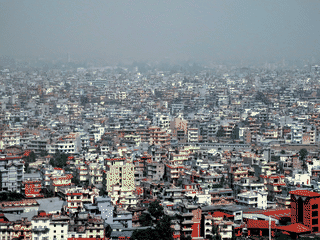

Kathmandu
South Asia · Nepal
Did you know?
- Momo arrive fried or steamed with buffalo, chicken, or veggie fillings.
- Boudhanath is one of the world's largest Buddhist stupas.
- Bandhs can halt all transportation and close shops, so check warnings.
See also
Overview
Nepal's gateway to the Himalayas draws trekkers, spiritual seekers, and cultural enthusiasts. The city works as both a high-energy base and a launch point for longer mountain journeys.
Languages: Nepali
Why Go
Kathmandu is the fabled Shangri-La that draws trekkers, spiritual seekers, and cultural enthusiasts to Nepal. The city serves as the main gateway to the Himalayas, with tourism accounting for around 7% of Nepal's GDP. Its UNESCO-listed Kathmandu Valley contains three ancient Newari cities—Kathmandu, Patan, and Bhaktapur—packed with Buddhist stupas, Hindu temples, and royal palaces dating back nearly 2000 years. Unlike capital cities elsewhere, Kathmandu offers authentic experiences at backpacker budgets: 150-250 NPR momo dumplings, Rs100-300/m handwoven fabrics, and guest houses in Thamel that cost a fraction of comparable accommodation elsewhere.
Adapted from Wikivoyage contributors · CC BY-SA 4.0
Understand
Kathmandu has 2.5 million inhabitants in the metropolis and over 3 million in the agglomeration, spread across 50.67 km² with a density of 17,000 per km² in the city proper. The city sits at 1,400 metres elevation in a bowl-shaped valley surrounded by Shivapuri, Phulchoki, Nagarjun, and Chandragiri mountains. Historically known as Nepal Mandala, the valley was unified under three capitals—Kathmandu, Lalitpur (Patan), and Bhaktapur—in the 15th century. Most residents follow Hinduism or Buddhism, giving the city a cosmopolitan spiritual culture. Nepali is the main language, though English is understood by educated residents in tourist areas.
Adapted from Wikivoyage contributors · CC BY-SA 4.0
Climate
Kathmandu Valley enjoys a warm temperate climate atypical for the region, with average summer temperatures of 28-30°C and winter averages of 10.1°C. However, temperatures can drop to 3°C in winter and has reached -9.2°C during cold fronts. Rainfall is monsoon-based, with 65% concentrated from June to August, totaling about 1,400 mm annually. Humidity averages 75%. The best time to visit is March-May or September-November, avoiding the intense summer heat and winter cold.
Adapted from Wikivoyage contributors · CC BY-SA 4.0
Getting In
Tribhuvan International Airport (TIA), located 5.5 km east of Thamel, is Nepal's main international gateway with connections to Doha, Dubai, Delhi, and Bangkok. The airport offers one ATM near immigration, foreign exchange counters, prepaid taxi service, and a Nepal Tourism Board information counter. Domestic buses arrive at Balaju Bus Station (north) from Pokhara, Chitwan, and Indian cities like Patna, Gorakhpur, and Varanasi. Swayambhu Bus Stand (south) handles routes from Delhi, Bodh Gaya, Patna, and Siliguri. Mini buses criss-cross main roads for about Rs20.
Adapted from Wikivoyage contributors · CC BY-SA 4.0
Get Around
Kathmandu lacks house numbers and street names except on major roads like Tri Devi and Ring Road. Directions are given relative to 'chowk' or 'tole' (intersections or squares often with markets). In Thamel, the Kathmandu Guest House serves as the main landmark. Most sites near the stupa are walkable, though two-wheelers create hazards for pedestrians. Taxis are available on main roads until around 9PM. Mini buses cost about Rs20 to criss-cross main roads.
Adapted from Wikivoyage contributors · CC BY-SA 4.0
See
Kathmandu's UNESCO-listed monuments include Durbar Square (the spiritual heart with Hindu temples), Boudhanath Stupa (one of the world's largest Buddhist stupas), and Swayambhunath (the monkey temple with panoramic city views). The city has excellent museums and galleries in the central area, plus numerous Buddhist monasteries in Boudha and Hindu sacred sites like Pashupatinath temple dedicated to Shiva. The sister cities of Patan and Bhaktapur are integral to the cultural heritage and listed together as 'Kathmandu Valley-UNESCO World Heritage Site.'
Adapted from Wikivoyage contributors · CC BY-SA 4.0
Do
Kathmandu itself offers limited activities beyond amazing sightseeing and experiencing the city's energy. Boudha is ideal for Buddhist studies and meditation retreats, while Thamel serves as a centre for yoga and massage courses. Several volunteer organizations operate in the city, including Future Nepal (teaching English in rural schools, women empowerment, health post volunteering) and Volunteer Society Nepal (placing volunteers in local homestays). Hidden Journeys Nepal organizes tours visiting social entrepreneurs, artists, and activists.
Adapted from Wikivoyage contributors · CC BY-SA 4.0
Buy
Thamel is the hub for bookshops, T-shirts, bags, and clothes between New Road and Chhetrapati. Traditional thanka Buddhist paintings are available everywhere with varying quality—good sellers explain provenance and history. Hand-crafted metal statues of Buddha and Tara are mainly manufactured in Patan. Silver jewelry is near-sterling 92.5% quality, with wholesale prices published in the Himalayan newspaper. Handwoven Nepali fabrics cost Rs100-300/m. Tailors can be hired at reasonable fees for custom clothing. Religious items concentrate around Boudha. ATMs charge Rs650 per transaction except at airport and Kathmandu Guest House; Standard Chartered and Nabil Bank ATMs allow Rs35,000 withdrawals.
Adapted from Wikivoyage contributors · CC BY-SA 4.0
Eat
The most popular food is momo (Tibetan dumplings) available fried or steamed with buffalo, chicken, or veggie fillings for Rs150-250 per dozen. Indigenous Newa food with hundreds of traditional delicacies is found in 'bhatti' local restaurants. A Nepali set meal (rice, daal, curry, pickle, curd) costs NPR140-280 at tourist places, much less locally. Chiya (milky spiced tea) is ubiquitous. Most tourist restaurants add 10% service charge plus 13% VAT (24.5% total). Thamel has dozens of tourist restaurants serving Middle Eastern to Mexican food, but Indian and Nepali dishes offer the most authentic and economical options.
Adapted from Wikivoyage contributors · CC BY-SA 4.0
Where to Stay
Virtually all tourist accommodation clusters in Thamel, with some good deals around Boudha and a few cheaper, more tired guest houses on Freak Street. Upmarket hotels tend to be in central Kathmandu. Homestays are available in historical Newa towns where visitors live in traditional Newa houses. Avoid street touts who receive commissions from hotels—they'll direct you to accommodation that includes their commission in the price.
Adapted from Wikivoyage contributors · CC BY-SA 4.0
Stay Safe
Kathmandu is generally safe following the Maoist peace process since 2006, though visitors should avoid public demonstrations. Strikes called 'bandh' or 'banda' halt all transportation and close shops—check newspapers for advance warning. Violent crime is rare but pickpockets operate in crowded places; use hotel safes for valuables. Avoid unlit areas when walking alone at night. Be cautious of strangers offering to take you to dance bars, as tourist rip-offs have been reported. Register with your consulate on arrival.
Adapted from Wikivoyage contributors · CC BY-SA 4.0
Stay Healthy
Air quality has been very poor since the 2015 earthquake, especially around Ring Road—buy a dust mask. Water is dangerous; never drink from taps or consume salads and ice unless confident water was filtered and boiled. Use boiled water for brushing teeth. Bottled water companies have failed safety standards—purchase from larger shops. Food contamination occurs; eat at larger restaurants and check use-by dates. Homemade alcohols (chang, roxi, toongba) may contain methanol. Vaccinations for rabies, tetanus, typhoid, and hepatitis are recommended before arrival. Animals at Swayambhunath may carry rabies—seek immediate treatment if bitten.
Adapted from Wikivoyage contributors · CC BY-SA 4.0
Etiquette
At sacred sites, wear respectful clothing covering shoulders and knees. Remove shoes before entering temple buildings and some shops—follow locals' lead. Circumambulate stupas and sacred objects clockwise. Do not climb onto statues or sacred objects. Preserve the peace and tranquility of religious spaces.
Adapted from Wikivoyage contributors · CC BY-SA 4.0
Connect
Most cafes and restaurants in tourist areas offer free Wi-Fi for customers. NCell SIM cards cost Rs1000 with several GB of data—get them at the airport (less bureaucracy, no fingerprints required) with passport and photo. Recharge cards are available everywhere. Nepal Telecom SIMs cost Rs100 with passport and photo required. Coverage in populated areas is good but remote trekking areas have no service. Power outlets use Type C (European two-pin) and Type D (three thick pins) plugs.
Adapted from Wikivoyage contributors · CC BY-SA 4.0
Go Next
From Kathmandu, trekkers head to Everest Base Camp, Annapurna Circuit, or Langtang Valley. The UNESCO sister cities of Patan (Lalitpur) and Bhaktapur are short bus rides away for day trips. Pokhara (the lakeside city and gateway to Annapurna treks) and Chitwan National Park (rhino and tiger safaris) are popular multi-day destinations. Domestic flights connect to Lukla (Everest approach) and Pokhara.
Adapted from Wikivoyage contributors · CC BY-SA 4.0
Field guide adapted from Wikivoyage contributors · CC BY-SA 4.0. Text has been adapted and organized for this guide. About our sources.
Places to know
A few starting points from the guide. Check current hours and prices before you go.
- sleep
Boudha Guest Houses
Good deals around the stupa, popular with Buddhist study students
Adapted from Wikivoyage contributors
- sleep
Freak Street Guest Houses
Cheaper but more tired options on the historic backpacker street
Adapted from Wikivoyage contributors
- sleep
Kathmandu Guest House
The main landmark in Thamel, offering budget rooms with fee-free ATM inside the gates
Adapted from Wikivoyage contributors
- sleep
Thamel Guest Houses
Numerous budget accommodation options in the main tourist district
Adapted from Wikivoyage contributors
- eat
Chiya Houses
Milky spiced tea stalls similar to Indian chai, ubiquitous throughout the city
Recorded price: Rs20-50
Adapted from Wikivoyage contributors
- eat
Momo Stalls (Various)
Tibetan dumplings available fried or steamed with buffalo, chicken, or veggie fillings
Recorded price: Rs150-250 per dozen
Adapted from Wikivoyage contributors
- eat
Newa Bhatti Restaurants
Traditional Newari food establishments with hundreds of local delicacies
Recorded price: NPR 80-150 local places
Adapted from Wikivoyage contributors
- eat
Thamel Tourist Restaurants
Dozens of restaurants serving everything from Middle Eastern to Mexican cuisine
Recorded price: NPR140-280 set meals
Adapted from Wikivoyage contributors
Before you go
Connectivity
Free Wi-Fi is common in tourist-area cafes. NCell SIMs (Rs1000) and Nepal Telecom SIMs (Rs100) are widely available. Remote trekking areas have no service.
Culture
Most residents follow Hinduism or Buddhism. Remove shoes before entering temples, dress modestly, and circumambulate stupas clockwise.
Etiquette
Remove shoes at temples, dress modestly covering shoulders and knees, walk clockwise around stupas, and never climb on sacred objects.
Food
Momo dumplings cost Rs150-250 per dozen. Nepali set meals are NPR140-280 at tourist restaurants. Tourist restaurants add 10% service charge plus 13% VAT.
Health
Air quality is poor—wear a dust mask. Never drink tap water; use filtered or boiled water. Vaccinations for rabies, tetanus, typhoid, and hepatitis recommended before arrival.
Language
Nepali is the main language. English is understood by educated residents and in tourist areas like Thamel.
Money
ATMs charge Rs650 per transaction except at the airport before immigration and inside Kathmandu Guest House in Thamel. Standard Chartered and Nabil Bank ATMs have highest withdrawal limits (Rs35,000). All shops accept Nepali rupees; many also accept USD and Indian rupees.
Safety
Register with your consulate on arrival. Avoid public demonstrations and check newspapers for strike warnings. Violent crime is rare but pickpockets operate in crowds. Use hotel safes for valuables and avoid unlit areas at night.
Transport
Mini buses cost about Rs20 on main roads. Taxis available until 9PM. Tribhuvan International Airport is 5.5km east of Thamel. Bus stations include Balaju (north) and Swayambhu (south).
Water
Tap water is dangerous—do not drink. Use boiled or filtered water for brushing teeth. Purchase bottled water from larger shops only.
Weather
Best visited March-May or September-November. Summers reach 28-30°C; winters average 10°C but can drop to -9°C. Monsoon season (June-August) brings 65% of annual rainfall.